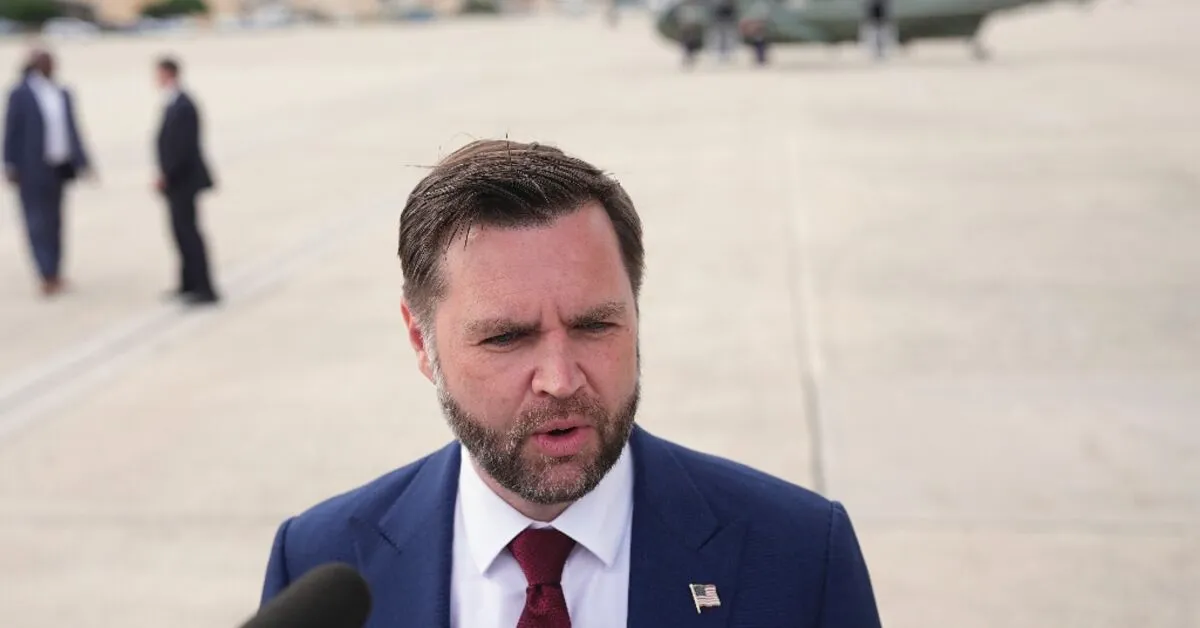
Vice President JD Vance indicated that the United States and Iran are nearing an agreement to extend a ceasefire in the ongoing Middle East conflict, although the final decision rests with President Donald Trump.
Sources suggest the potential breakthrough requires only President Trump's endorsement, yet he has remained notably reticent. Vance stated on Thursday, "It's hard to say exactly when or if the President is going to sign the MOU," while also noting, "We're going back and forth on a couple of language points. We've made a lot of progress here." The prospect of such a deal has positively influenced Asian stock markets and led to a slight decrease in oil prices.
Energy markets have experienced volatility as investors assess the likelihood of an agreement that could restore normal shipping operations through the strategic Strait of Hormuz. Reports indicate the proposed deal would allow unrestricted passage through the strait, without tolls or interference. In return, Iran would be expected to remove naval mines within 30 days, and the US would lift its naval blockade once commercial traffic resumes. However, Iran has not officially confirmed any commitments, with some sources indicating that any agreement announced unilaterally by President Trump would not be recognized by Tehran.
Mediator Qatar's role has become increasingly prominent, with its state news agency reporting that President Trump discussed "latest updates" on efforts to end the war with Qatar's ruler. Doha hosted Iranian officials this week amidst regional efforts to find a resolution to the conflict, which has been under a fragile ceasefire since April 8.
Despite diplomatic efforts, both Washington and Tehran have accused each other of violating the ceasefire. Recent US strikes on the Iranian port of Bandar Abbas were reportedly met with retaliatory fire from Iran targeting an American airbase. Kuwait, hosting US troops, reported responding to incoming fire and condemned what it termed "criminal Iranian attacks." The US Central Command characterized the incident as an "egregious ceasefire violation." Additionally, Iranian forces reportedly fired upon four ships attempting to transit the Strait of Hormuz without authorization, an area Iran has blockaded since the war's commencement.
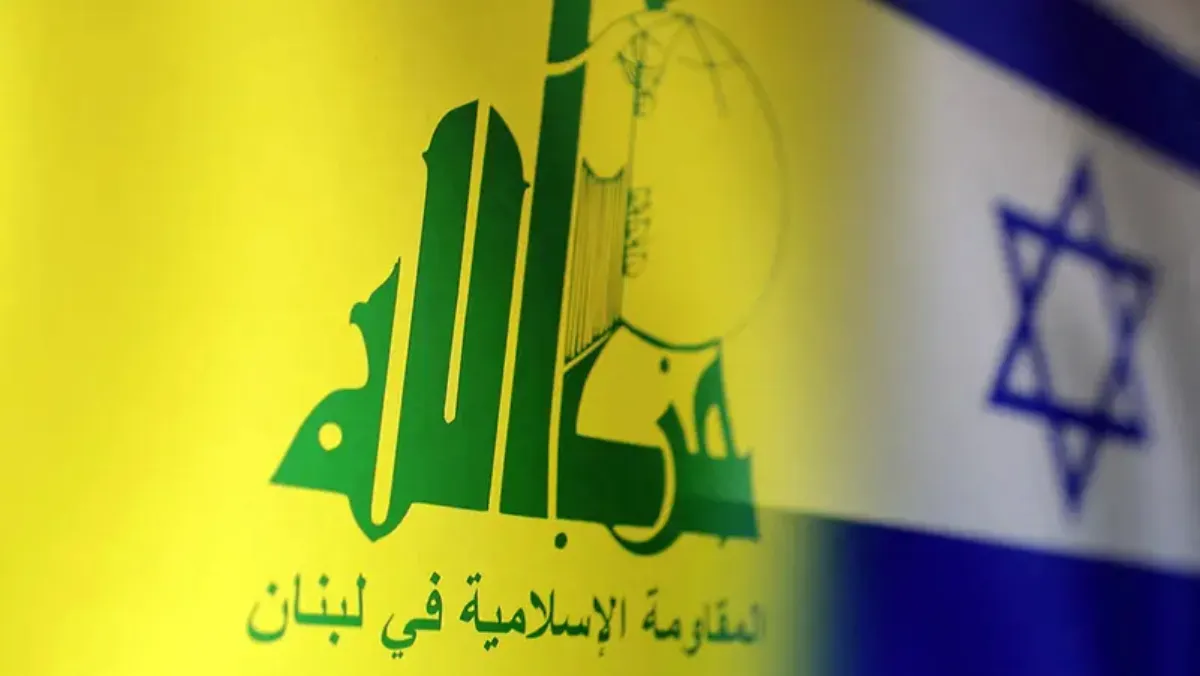
On the Lebanon front, the country's culture minister reported that Israel had struck the medieval Beaufort castle near Nabatieh, raising concerns for other heritage sites, including the nearby ruins of Tyre, a UNESCO World Heritage site. The castle, previously used by Israeli forces, is located in an area subject to a ceasefire between Israel and Hezbollah, which has been largely disregarded by both sides. Lebanon was drawn into the conflict in early March, and recent Israeli strikes have extended near Beirut, resulting in civilian casualties despite the existing truce.