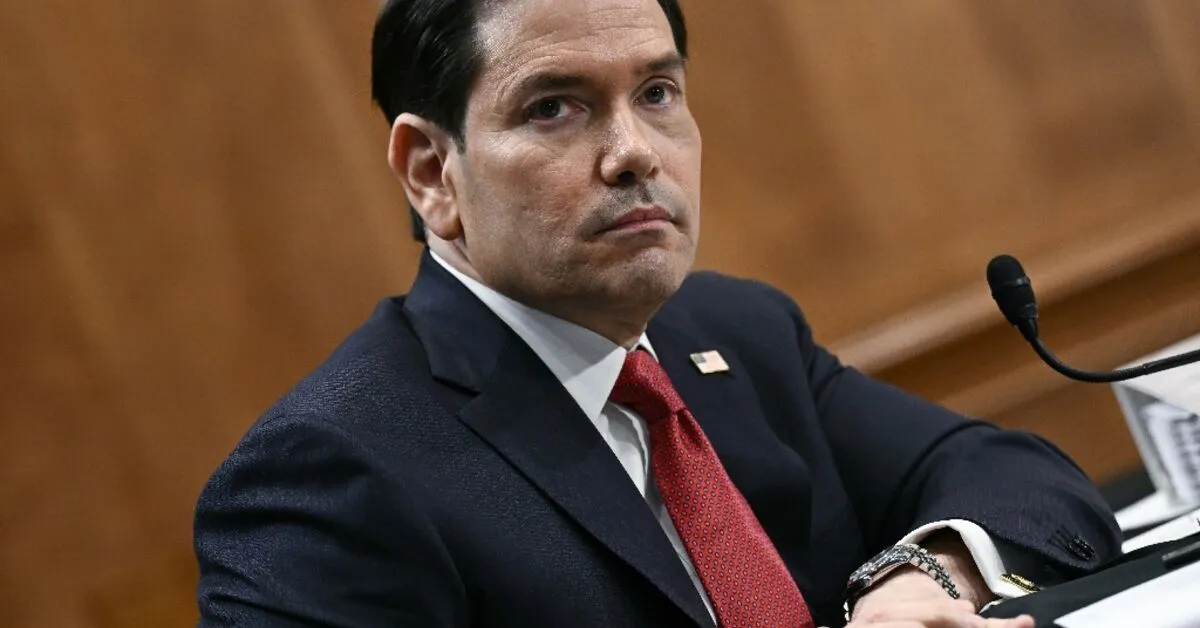
U.S. Secretary of State Marco Rubio asserted on Wednesday that the war with Iran has concluded, despite continued deadly attacks in the region. Rubio stated that the United States is no longer conducting sustained strikes within Iran aimed at degrading its military capabilities, signifying the end of "Operation Epic Fury."
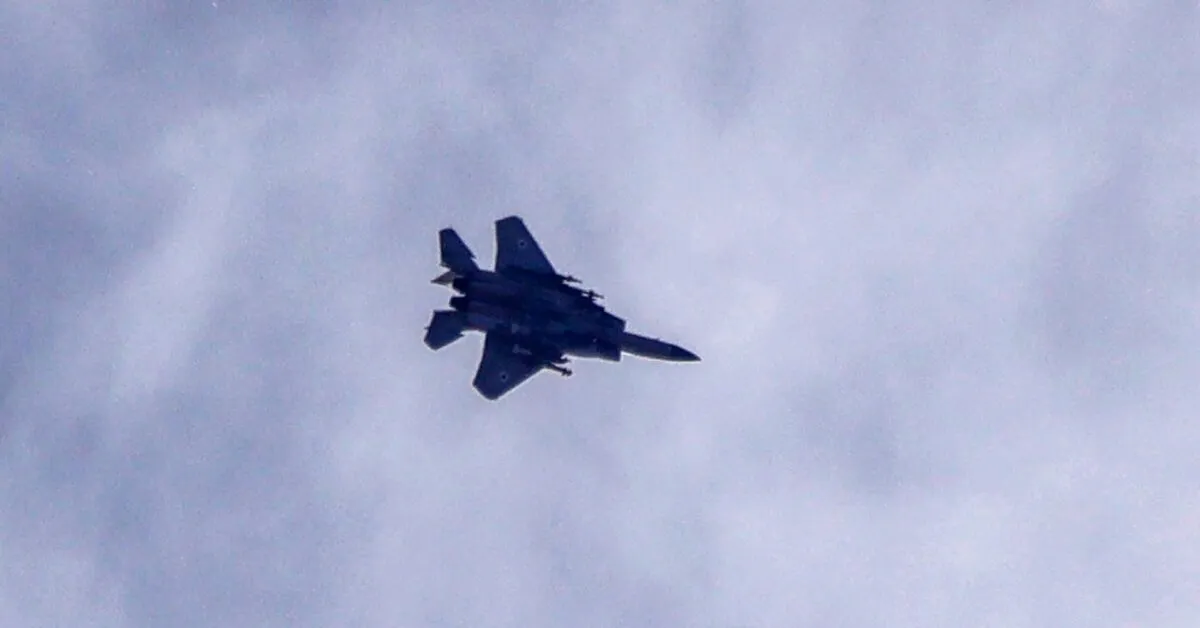
The conflict, officially designated Operation Epic Fury by Washington and involving U.S. and Israeli forces, has significantly impacted the Middle East since initial strikes against Iran commenced on February 28. Iran's response has included targeting U.S. allies in the region and effectively blocking the Strait of Hormuz, a critical chokepoint for global oil and gas shipments.
Rubio elaborated on the definition of victory, stating, "We define victory as destroying their defense industrial base, significantly reducing the number of missile launchers that they possess, significantly reducing their stockpile of drones." He further claimed that these objectives were met, along with the destruction of Iran's remaining air force and its entire conventional navy.
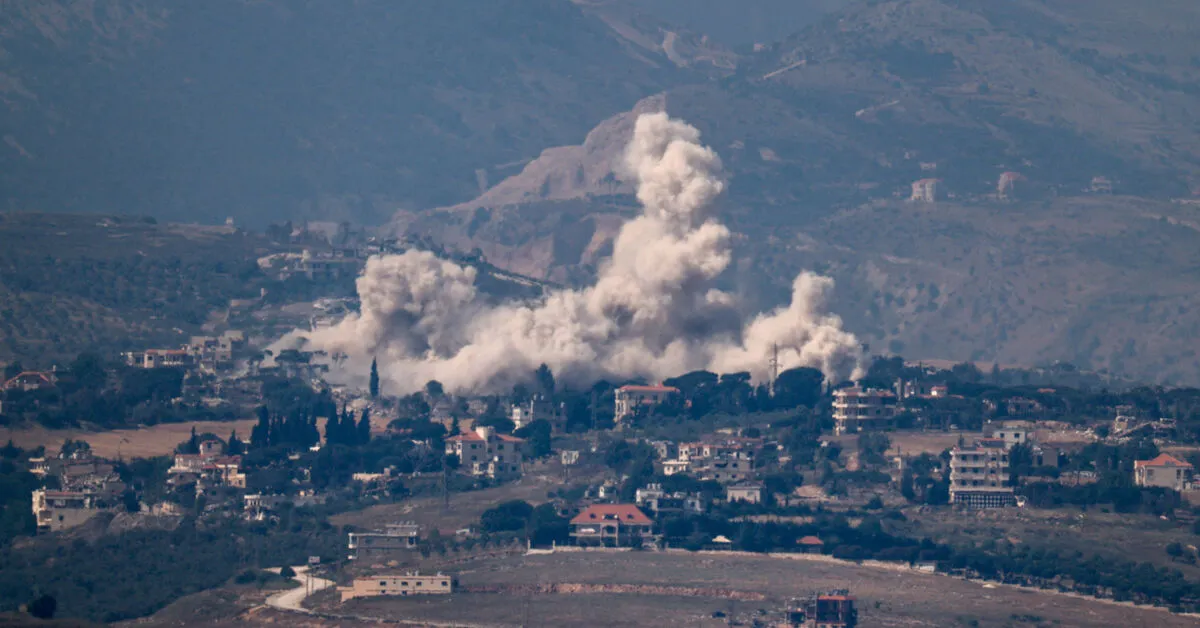
However, Rubio faced considerable opposition from Democratic lawmakers who contend the conflict remains active. This pushback was highlighted by Iran's drone strike on Kuwait's airport on Wednesday, which resulted in one fatality and 63 injuries, marking a significant escalation. Bahrain, another nation hosting a substantial U.S. military presence, also reported overnight drone attacks originating from Iran.
Representative Sara Jacobs of California challenged Rubio's assessment, stating, "You can change the name of the operation. It doesn't change the fact that the Strait's still closed, and my service members, and all of our service members, are still in harm's way."
Regarding diplomatic efforts, Rubio informed legislators that negotiations with Iran are ongoing, with the Islamic Republic's enriched uranium stockpiles being a central issue. He noted that Tehran has not yet agreed to a peace deal. Washington's conditions for an agreement include Iran relinquishing its near-weapons-grade enriched uranium, consenting to limitations on its nuclear activities, and reopening the Strait of Hormuz.
"I think now, in some of the papers that have been exchanged back and forth, it's clearly addressed, but we...still don't have final sign off from their system as of this morning," Rubio told the House committee. Iran has previously indicated that the release of $12 billion in frozen assets is a prerequisite for substantive talks on its nuclear program and has dismissed earlier suggestions by U.S. President Donald Trump regarding the potential destruction of its enriched uranium stockpile.