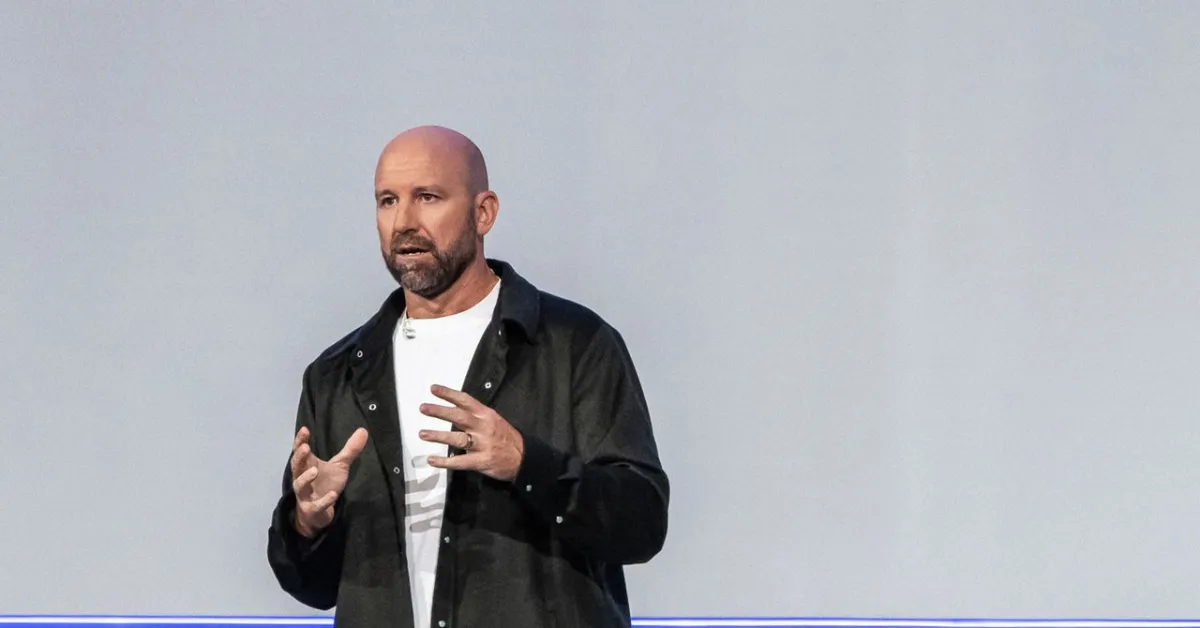
Meta's Chief Technology Officer, Andrew Bosworth, has admitted that the company's recent AI division reorganization was handled "atrociously" and outlined plans to improve internal culture through better communication, career development, and even office perks.
Bosworth's candid remarks, shared in an internal post reviewed by WIRED, come after reports of significant dissatisfaction within the Applied AI engineering unit, which was formed in March and comprises around 6,500 employees. Some workers had described the new division's tasks as menial, with one likening it to a "gulag."
Citing employee feedback, Bosworth acknowledged that the company had eroded trust regarding the valuation of expertise, career advancement, and the potential for impact. He stated that the upheaval in management structures, coupled with rapid strategic shifts and fluctuating hiring cycles, had left teams feeling unstable and unsupported.
Meta has been grappling with broader morale issues stemming from mass layoffs, employee surveillance concerns, and other internal pressures. Executives, including CEO Mark Zuckerberg, have recently posted internal messages acknowledging employee sentiment and pledging to implement changes.
In response to the unrest, Bosworth detailed upcoming changes, including more personalized attention for employees, capping managers at roughly 20 direct reports, and minimizing forced manager changes during restructurings. The company also plans to offer "AI coaching" tools to employees. Bosworth took personal responsibility for the poor rollout, admitting the company failed to clearly communicate the vision, support mechanisms, and long-term career prospects associated with the AI shift.
Despite the criticisms, Bosworth defended the decision to rapidly staff the AI team, emphasizing the necessity of speed and leveraging Meta's scale and talent. He also reminded employees that sometimes work requires personal sacrifice on projects that may not be immediately fulfilling.
Separately, Maher Saba, a VP overseeing the Applied AI team, informed employees who were involuntarily transferred that they could now seek other roles within Meta. Saba explained the initial decision was to harness Meta's existing strengths but stated the company is now returning to a model where employees have more agency in choosing roles.
Saba also hinted at the evolving scope of the Applied AI team, which currently focuses on enhancing Meta's generative AI models' coding and agentic capabilities, with potential expansions into security, debugging, and product development. He described the team's new ethos as "moving fast and fixing forward," moving away from traditional, rigid roadmaps due to the dynamic nature of AI development.
Bosworth also addressed concerns about AI replacing jobs, stating Meta believes AI will augment rather than replace workers, but cautioned that proficiency in AI will be crucial for career success. He noted that there will be resource constraints, specifically regarding compute power for AI tools, and pledged transparency and responsible investment to mitigate bottlenecks, encouraging employees to escalate issues.
To boost morale, Bosworth promised to make Meta a more "fun and enjoyable" workplace, detailing plans to upgrade office amenities like microkitchens, increase travel budgets, and enhance social events to foster in-person connections. He expressed a hope to "rekindle the best of the culture" employees initially joined.