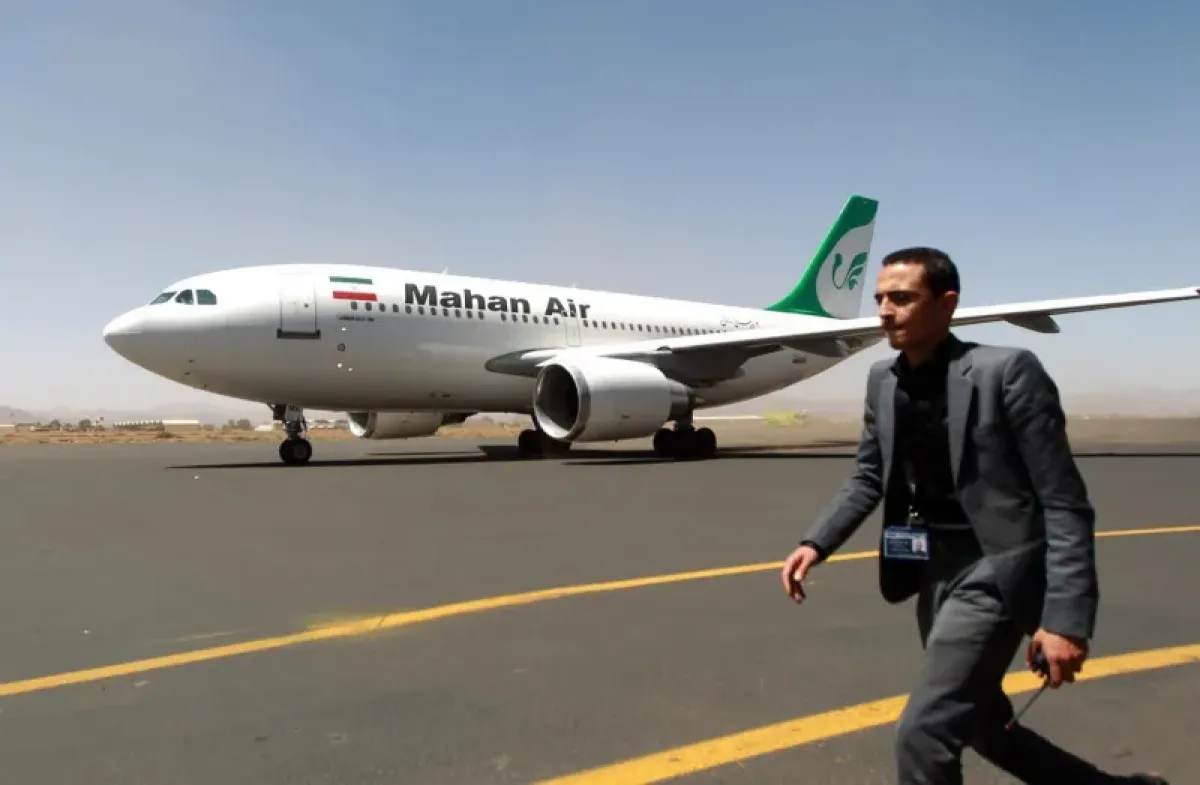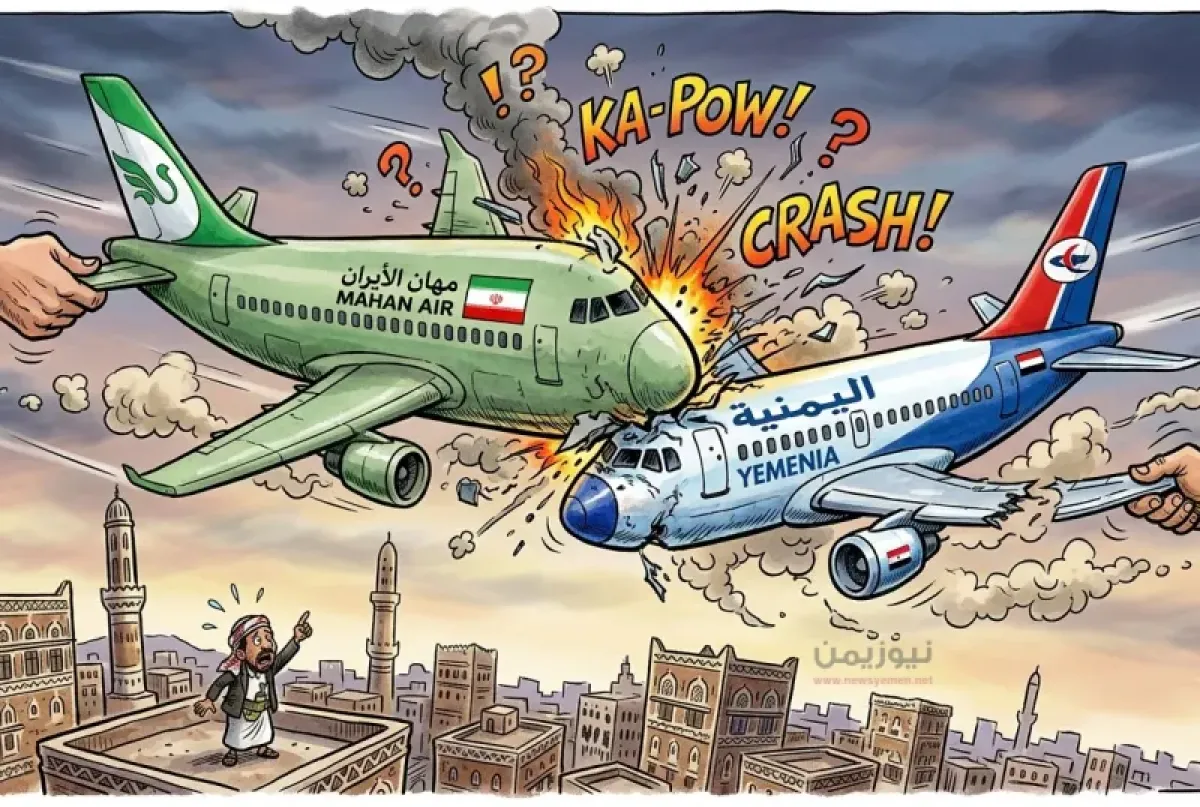
The Yemeni government is embroiled in a critical dispute over allowing Iran's Mahan Air to operate flights to Sanaa, a move seen as a threat to national sovereignty and security, potentially undermining the state's institutions and regional standing.
The controversy emerged following a discussion by the Presidential Leadership Council regarding an Iranian request for Mahan Air to service the Sanaa-Tehran route. The Council reportedly affirmed its rejection of any actions that would diminish the role of Yemen's national carrier or compromise Yemeni sovereignty.
Aviation and regional policy experts view the proposed substitution of Yemen Airways with an airline directly linked to the Iranian government as more than a logistical or humanitarian arrangement. They assert it signifies a political shift with profound implications, potentially granting a foreign entity a new sphere of influence within a vital national asset and setting a dangerous precedent for external control over state institutions.
Mahan Air is internationally controversial, having faced U.S. sanctions for alleged ties to Iran's Revolutionary Guard Corps and accusations of transporting personnel and equipment to conflict zones. Analysts warn that authorizing regular flights could heighten security concerns among regional and international actors, particularly given ongoing accusations of Iranian military and logistical support for the Houthi movement. Such operations, outside the full oversight of the legitimate government, risk expanding Iranian influence and further complicating the security landscape.
Economically, Yemen Airways is already grappling with significant losses due to the ongoing conflict, including the loss of aircraft and operational disruptions. Excluding the national carrier from the Sanaa-Tehran route would inflict another blow to its financial and operational capacity, hindering its recovery and national service role. The continued marginalization of the national carrier could also negatively impact the future of Yemen's civil aviation sector and the state's ability to manage air traffic.
Politically and diplomatically, accepting regular flights by an Iranian airline to Sanaa could be interpreted as tacit acknowledgment of Houthi-imposed realities outside the framework of legitimate state institutions. Observers caution that this could grant the Houthis political and media gains, allowing them to portray independent international relations. Furthermore, it could strain relations with countries supporting Yemeni legitimacy, who perceive growing Iranian influence as a direct threat to regional stability.
Analysts connect this proposed route to a broader Iranian strategy to enhance its presence through regional allies. Establishing a direct air link operated by an Iranian company in Sanaa could solidify Tehran's foothold in Yemen, bolstering its capacity to influence future political and security dynamics. The concern is not merely about individual flights but about entrenching a new reality where Yemeni state institutions are sidelined in favor of arrangements dictated by the Houthi movement and its regional partners.
Ultimately, the issue is framed as a defense of Yemeni state sovereignty and its legitimate institutions. The government maintains that Yemen Airways is capable of operating flights from Sanaa, provided adequate guarantees for aircraft and crew safety and operational independence. The proposal to charter a plane through Yemen Airways for the return of Houthi elements is presented by the government as a solution that preserves national sovereignty and avoids the political and security repercussions of granting a foreign entity a role alternative to the national carrier.
The potential replacement of Yemen Airways by Mahan Air transcends a simple civil aviation matter. For the Yemeni government and its supporters, it represents a crucial test of the state's ability to protect its sovereign institutions and prevent the entrenchment of foreign influence within a vital national facility. Amidst humanitarian considerations and the imperative of sovereignty, the question remains whether the legitimate government can uphold the role of its national carrier, or if Sanaa Airport will become a new gateway for enhanced Iranian presence in Yemen.