The United States significantly broadened its military operations against Iran on Monday, extending strikes to multiple provinces, including a city housing a nuclear power plant, as Iranian forces intensified regional attacks. The renewed conflict, following a recent de-escalation agreement, has led to a surge in oil prices to a one-month high amidst a struggle for control of the critical Strait of Hormuz.
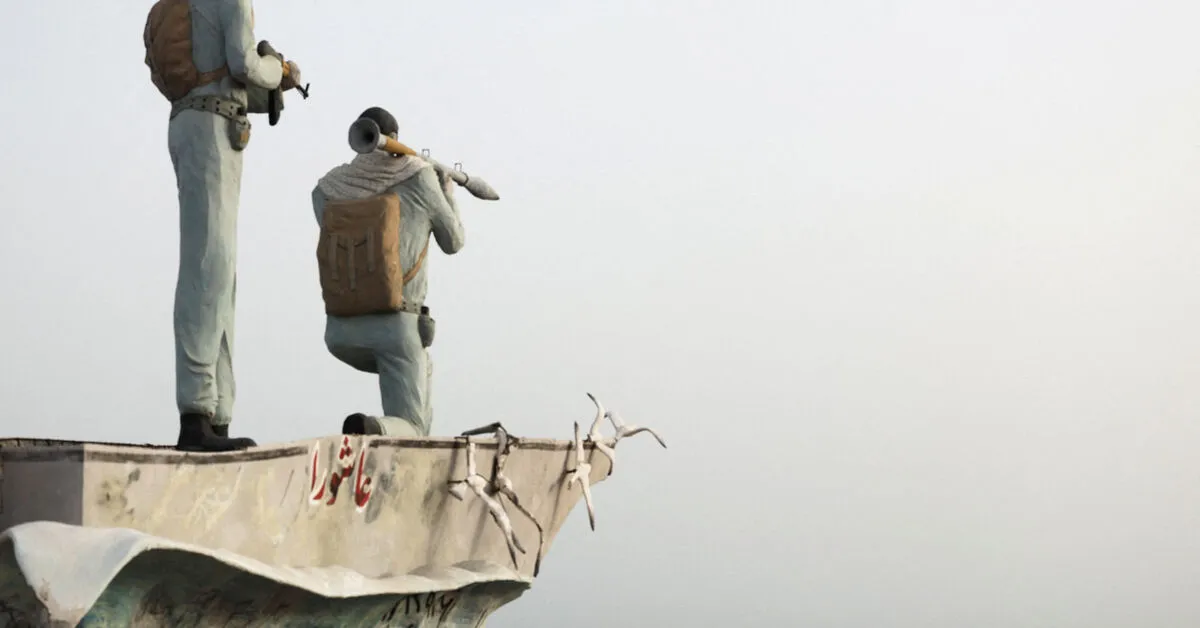
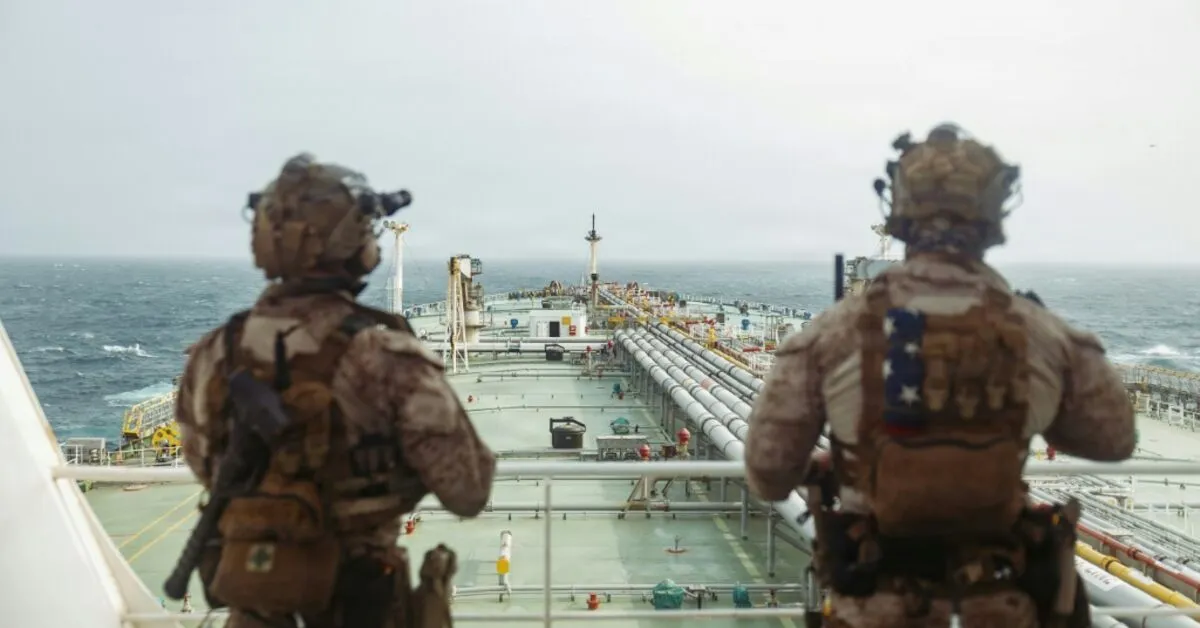
Iran reimposed a blockade on the Strait of Hormuz, a vital transit point for approximately one-fifth of global oil supplies prior to the current hostilities. In response, the US has renewed its blockade of Iranian ports. While previous US strikes were concentrated near Hormuz, Monday's operations targeted provinces across Iran, including central and northern regions. State media and local officials confirmed that attacked provinces contain military bases and air defence systems.
In Bushehr, the location of Iran's sole operational civilian nuclear power plant, provincial governor Mohammad Mozaffari reported to the state news agency IRNA that "several locations in Bushehr city were hit by American enemy's projectiles." In East Azerbaijan province, the head of local crisis management, Majid Farshi, informed IRNA that an attack resulted in one fatality and several injuries.
Despite the escalating military actions, Iranian Foreign Ministry spokesman Esmaeil Baghaei stated that diplomatic discussions with the United States, facilitated by intermediaries, are ongoing. He indicated that "ideas have been conveyed to us by certain mediators," during a press conference in Tehran. Meanwhile, the UK Maritime Trade Operations agency reported that sailors had abandoned a vessel that caught fire in the Strait of Hormuz after being struck by an "unknown projectile." The agency noted the fire was ongoing and the vessel was adrift.
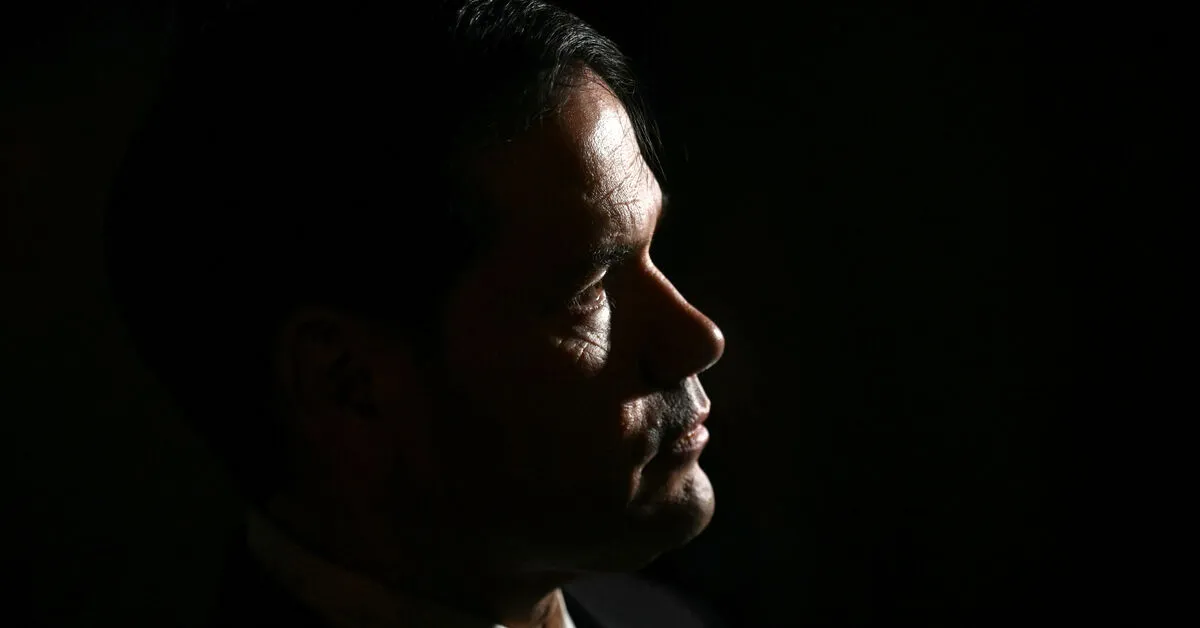
Earlier, Iran's Revolutionary Guards claimed that two oil tankers attempting to transit the strait had "exploded and were brought to a halt," as reported by Tasnim news agency. US Secretary of State Marco Rubio urged international cooperation in safeguarding global shipping, asserting that "It's clear that Iran, at least some people in Iran, want to control the straits and hold that as leverage against the world." He added that the US would continue its efforts to protect shipping but called for other nations to contribute resources.
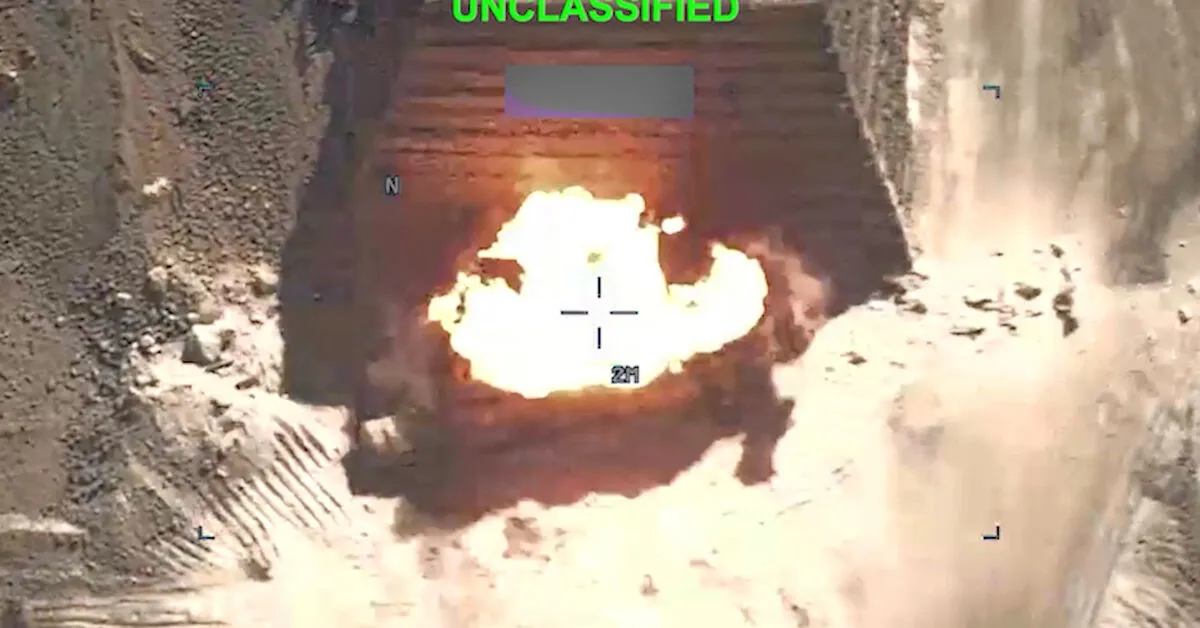
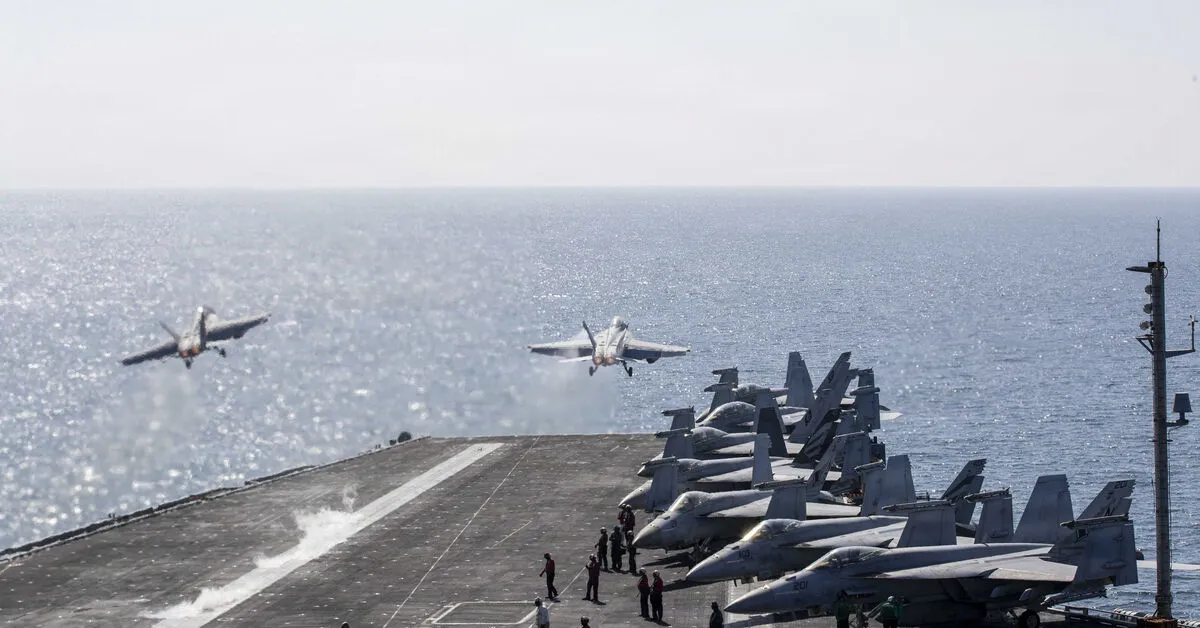
The US Central Command (CENTCOM) confirmed the ninth consecutive night of strikes against Iran. The recent escalation follows the announcement of three additional US military fatalities and one service member missing. Two service members were killed during Iranian missile and drone attacks on Jordan, while another died in Iraq during the detonation of unexploded ordnance from an Iranian drone. President Donald Trump stated that the latest US strikes "hit them very hard" in response to the American fatalities. The conflict has resulted in 17 confirmed US military deaths, while Iran's health ministry reported 50 fatalities and over 500 wounded from recent fighting.
Iran's Revolutionary Guards announced that they had targeted sites in Syria, Jordan, and Kuwait. In Syria, they claimed a "surprise attack on the enemy special operations command centre in the Al-Tanf region." In Jordan, the Guards stated they targeted US military aircraft at Aqaba Airport with ballistic missiles, causing significant damage. They also reported destroying a US early-warning radar system in Kuwait. Kuwaiti army officials confirmed their air defences engaged "hostile drone attacks following Iranian aggression," and Bahrain's interior ministry reported its air raid sirens were activated, urging citizens to seek safety.