Residents in Iran's impoverished southern provinces, already facing economic hardship, are directing their anger at U.S. President Donald Trump and recent aerial attacks, which they claim have severely disrupted their lives rather than fostering dissent against the clerical government.
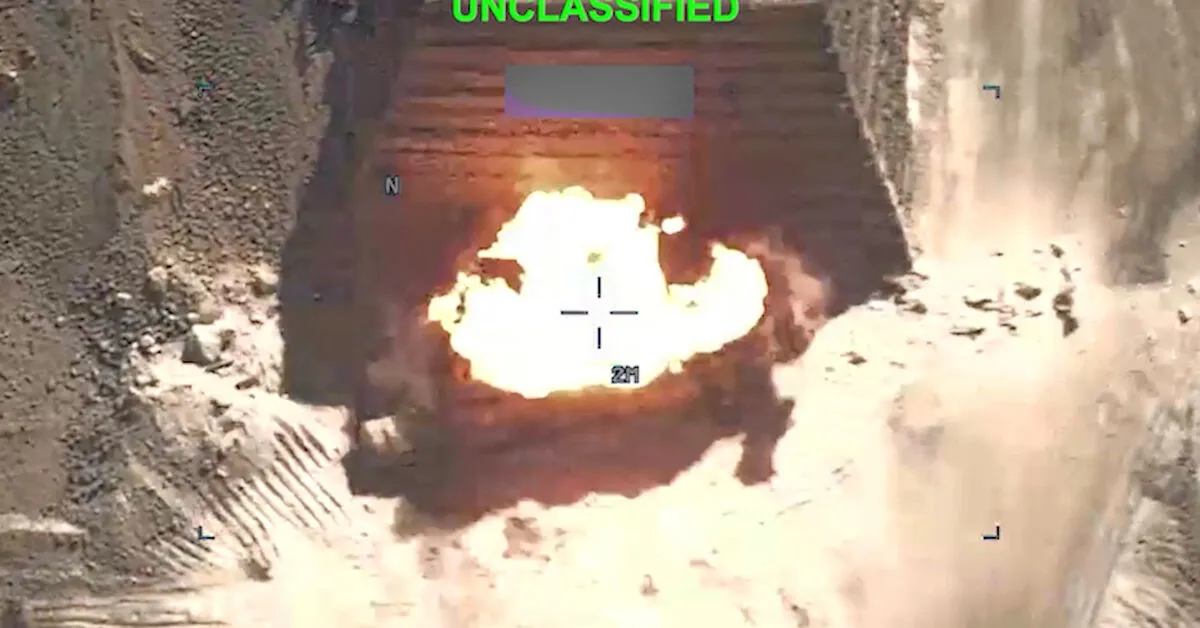
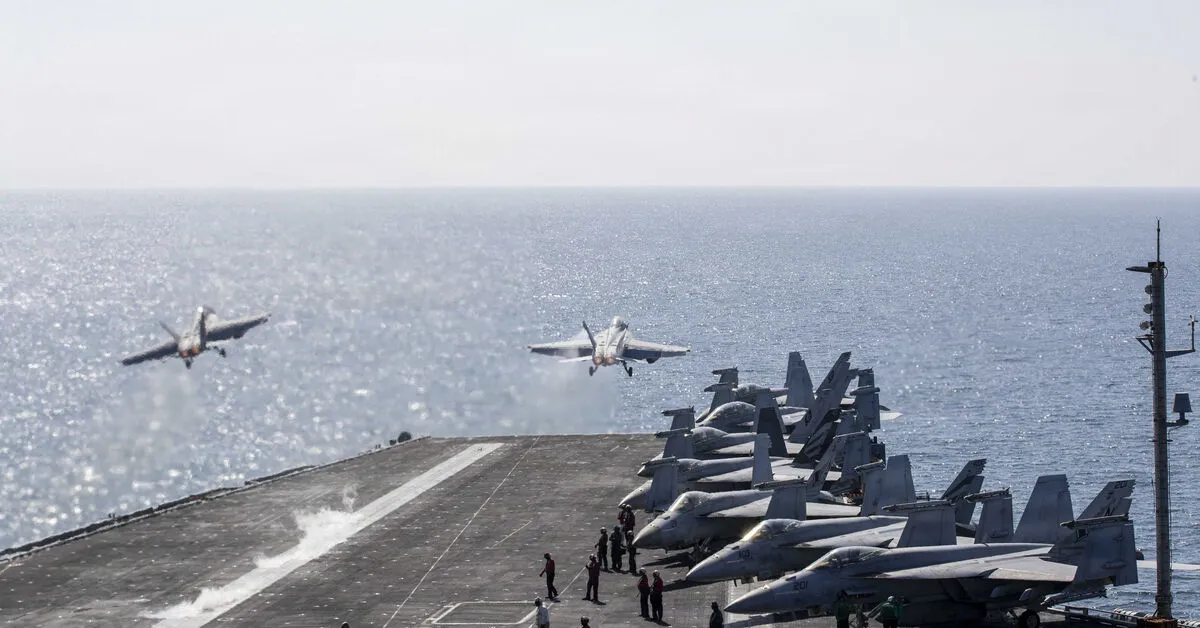
Southern Iran, bordering the strategic Strait of Hormuz, has been a significant target of U.S. strikes against ports, energy facilities, and transport infrastructure. Washington asserts these actions are intended to curtail Iran's ability to threaten maritime traffic, while Tehran contends the strikes have exceeded legitimate military objectives.
Interviews with over two dozen southern residents revealed a consensus that the strikes have impacted targets beyond purely military objectives. Many expressed frustration, with one boarding house owner stating, "Trump has ruined our lives more than the Islamic rulers did," citing the U.S. strikes as a primary cause of worsening economic conditions.
Despite existing opposition to Tehran's rule in many southern provinces, including among marginalized ethnic minorities, those interviewed did not report any increase in support for renewed anti-government protests. Instead, the conflict appears to have intensified grievances against the U.S. rather than galvanizing domestic unrest, contrary to President Trump's apparent expectations.
Southerners, including individuals who have previously participated in protests and identify as opponents of the current system, indicated no current support for further unrest. However, this sentiment is juxtaposed with a lack of endorsement for the ruling clerics, potentially signaling future challenges for the government, particularly if prolonged economic difficulties further alienate its base.
The vast southern region, encompassing provinces like Khuzestan, Sistan-Baluchistan, Bushehr, and Hormozgan, is home to diverse ethnic and religious minorities who have historically voiced grievances regarding discrimination and neglect. Residents complain of underinvestment, limited opportunities, and inadequate state services, exacerbated by frequent power outages that leave them without essential services like water during the scorching summer heat.
The U.S. strikes have amplified these pre-existing problems, leading to severe disruptions in electricity and water supply. A grocery store owner in Khuzestan province lamented, "The U.S. attacks have deepened our problems. No electricity for hours means no water for hours in this heat." He added, "This war should stop. Enough is enough."
Authorities deny regional, ethnic, or religious discrimination, yet southern areas have previously been identified as centers of opposition during nationwide anti-government unrest. The current situation, marked by nightly explosions and subsequent power and water shortages, has introduced new anxieties into communities already struggling with neglect.
In provinces like Bushehr, where summer temperatures regularly exceed 40 degrees Celsius, the impact of nightly attacks on daily life, including education and essential services, is profound. A high school student in Konarak described the fear and disruption, stating, "I wanted freedom, but look what Trump brought for us."