The Trump administration is considering the designation of Yemen's Iran-backed Houthi rebels as a Foreign Terror Organisation (FTO), more than two years after initially floating the idea.
While some members of the amorphous group have been sanctioned by the US Treasury Department, an FTO designation would apply to all its members, with "chilling" consequences on aid supplies that the Houthis largely control and the social, economic and civil institutions in their territories.
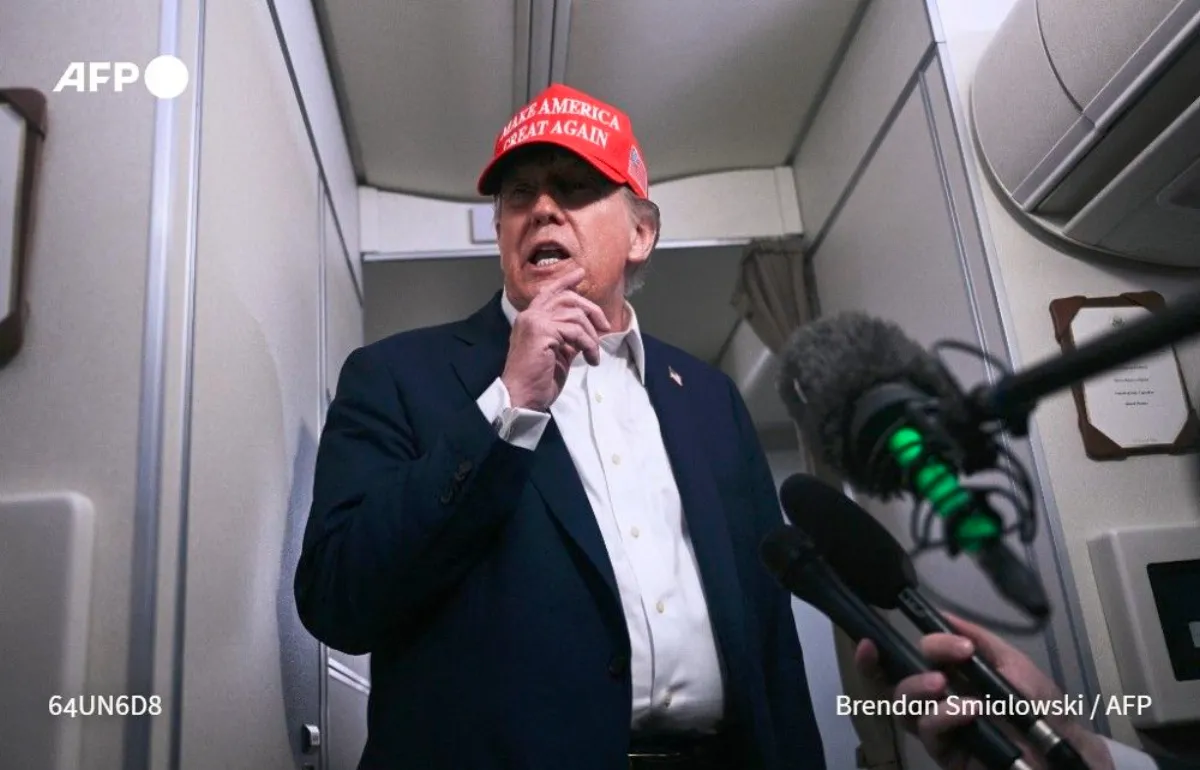
In the US, the move is also seen as an expansion of Mr Trump's maximum pressure campaign on Iran, which included sweeping sanctions on Iranian officials and government bodies.
It is more than two years since the designation threat was made, so why has it taken so long for the topic to be raised again, and will it really happen?
Diplomacy failure
Yemen is struggling to handle overwhelming humanitarian crises sparked or exacerbated by the Houthi takeover of Sana'a and the ensuing military fallout.
A cholera outbreak, collapsing healthcare system, rampant poverty and malnutrition are only some of these issues worsened by the Houthi seizure of aid, allegations of widespread corruption and lack of transparency in reporting coronavirus infection rates, all while the war rages on for a sixth year.
Proponents of the plan argue that all political and military options have failed to sufficiently weaken the rebels, who by some estimates control a third of Yemen’s most populous territories and have taken over key economic institutions in the north.
Simply put, the US and Yemeni governments might feel that they are out of other options, with less than 50 days in office remaining for the current Trump administration, experts say.
But critics believe a terror designation would effectively sentence thousands of Yemeni civilians to death, as they depend on imports for basic commodities like wheat, flour and rice, while aligning the Houthis further with Iran.
“The assumption that this will bring the Houthis, who argue they have been fighting a 16-year-long war through periods of deep privation, to the table willing to make big concessions is a real leap. It is not what I expect would come out of an FTO designation,” said Crisis Group Senior Analyst Peter Salisbury.
“However, one of the reasons this option is being seriously considered is due to a frustration at the seeming lack of alternative options,” he said.
2020 has been a test of willingness by the warring sides to put Yemeni civilian interests at the forefront and political agendas aside in the fight against the coronavirus.
“It is a test that they failed," Mr Salisbury said.
But what an FTO designation does is impact millions of individual lives in an even more catastrophic, devastating way in the short term.
“It is like going to the doctor with an infection in your leg and rather than treat it, he decides to amputate it,” Mr Salisbury told The National.
“It is the most drastic option that does more damage than good.”
But the Yemeni government has been urging the US to make the move, calling it an "urgent and necessary" first step in resolving the crisis.
"The Houthis' terrorism will not stop at the borders of Yemen but will encompass the entire region and cause harm to the entire world if it was not designated a terror organisation," Minister of Information Moammar Al Eryani said in November, state media reported.
His, and the government's position, is that prolonging the FTO designation reflects the international community's silence towards the conflict in Yemen and making it a reality is simply "an implementation of the Yemeni peoples' demands."
The last days in office
Long-time Yemen watchers have a few simple explanations for why the matter is only now being seen as a viable option by the Trump administration. One reason could be to create the largest impact over the shortest possible time.
“This decision is fairly easy to implement and very difficult to roll back,” Mr Salisbury said.
NGOs are pushing back against the move which, they say, would make it logistically impossible to deliver essential, life-saving assistance to the 24 million Yemenis – 80 per cent of the population – that rely on it.
A step like this could also render the middle class in the food and water-scarce nation obsolete.
“The biggest issue is the impact on trade. With northern, Houthi-controlled Yemeni territories largely reliant on imports, nobody will want to deal with Yemeni traders and businesses,” said Alia Eshaq, public policy expert and founder of UK-based Mashora Group.
“Private sector actors and businesses would become a no-go and too high-risk to deal with.”
Imported essentials would become even harder to access and poverty levels would soar as less money circulates and remittances dwindle.
“Every single transaction coming from abroad and into banks in Houthi-controlled areas will be scrutinised. People will be very hesitant to transfer cash to relatives inside Yemen, and businesses will no longer have foreign partners to rely on,” Ms Eshaq told The National.
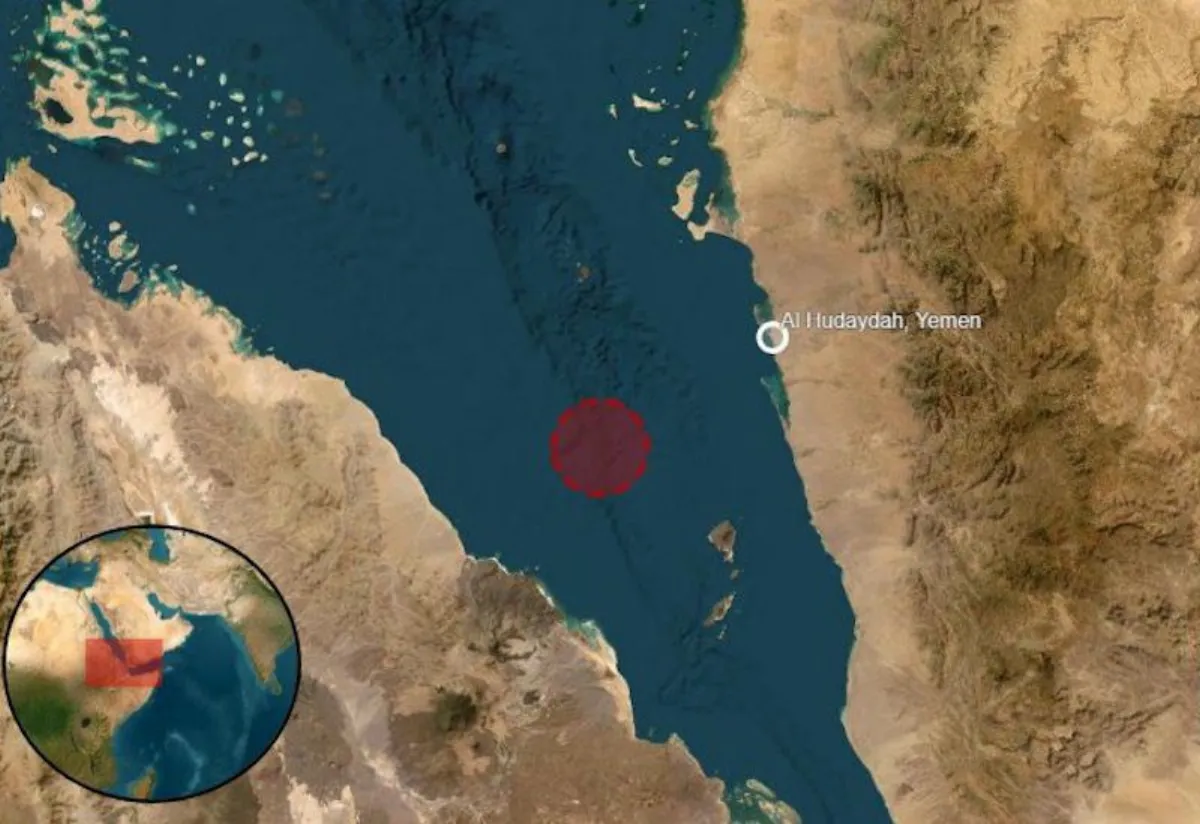
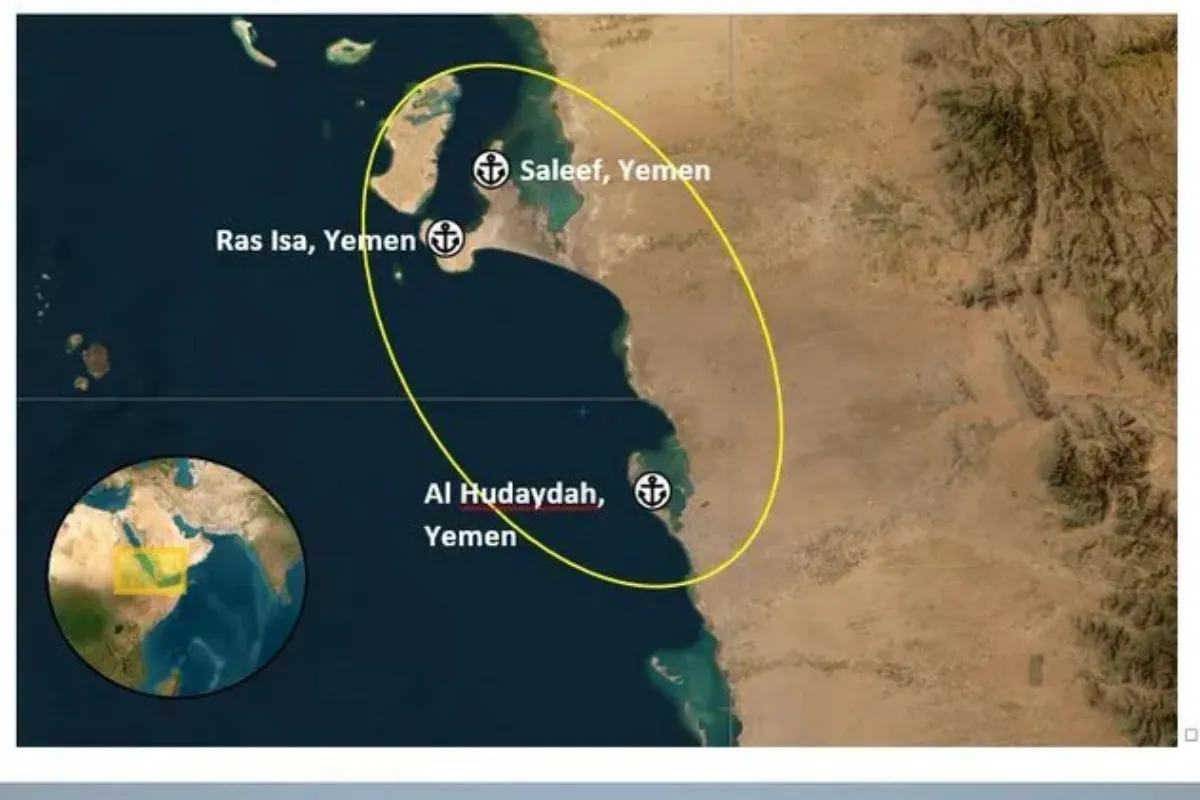
In November 2019, the Houthis and the Yemeni government agreed that commercial fuel companies would pay a tax for fuel imports and customs fees which would flow into an account at the Central Bank in the strategic port city of Hodeidah. In May this year, some $180 million was withdrawn from the account to fund "Houthi war efforts", Human Rights Watch said, in just one demonstration of how civilians' fate is determined by more powerful forces.
Policymakers might feel that the long-term benefits of designating the Houthis a terror group outweigh the short-term effects but the immediate survival prospects of an entire generation, and at least 100,000 Yemeni children below five already suffering from malnutrition, should require consideration.
Explained: Why the US is considering a Houthi terror designation
5 years ago