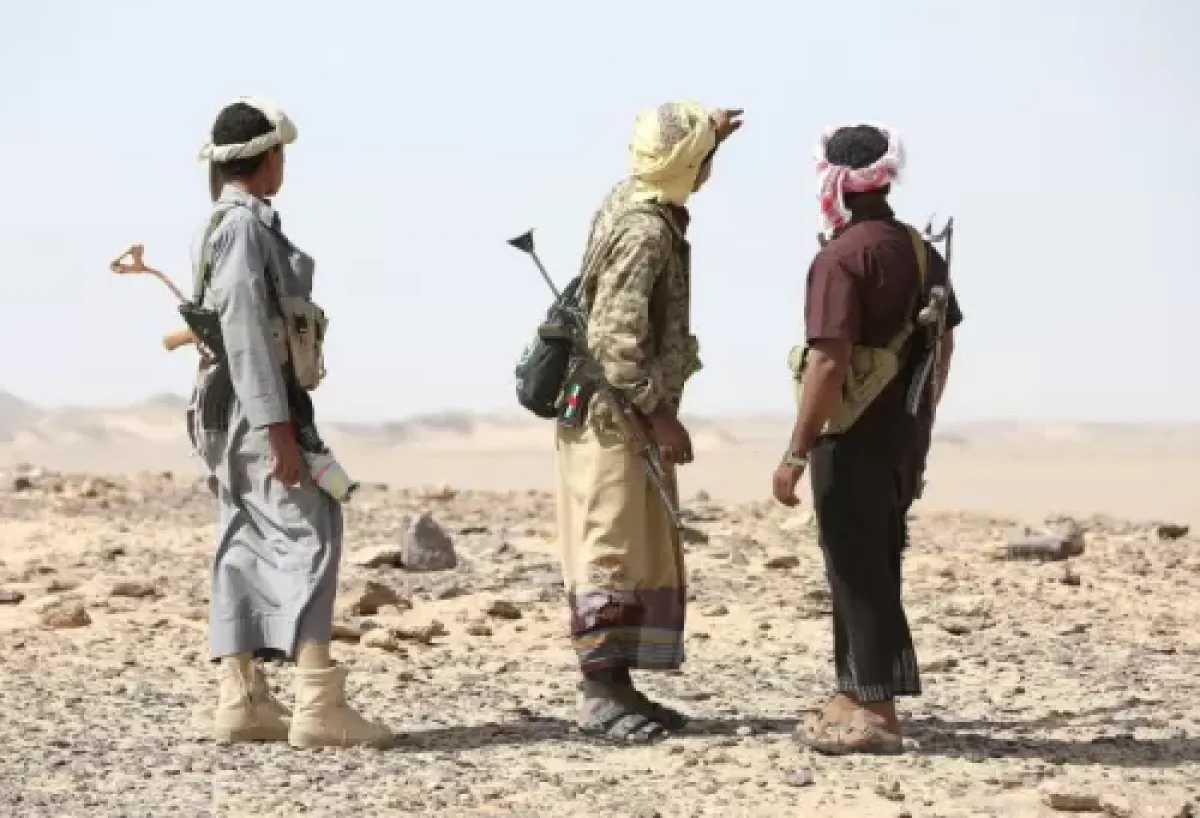
A recent analysis by the Israeli newspaper Israel Hayom reveals that Iran is employing a strategic diversionary tactic in the current regional conflict, utilizing its Yemeni proxy, the Houthi militia, to broaden pressure points and shift international focus away from Tehran towards the Red Sea and vital shipping lanes.
The newspaper reported that the Houthis, in coordination with Iran, have established a "new wall" that alters the rules of engagement in the region. This allows Tehran to maintain its central position in the confrontation while simultaneously redirecting military and political attention towards Yemen, thereby extending the conflict's scope from the Strait of Hormuz to the Bab el-Mandeb strait and global trade routes.
This strategic maneuver is described as a calculated step within Iran's broader strategy to distribute pressure and open multiple fronts against the United States and its allies by employing affiliated groups as leverage far from Iranian territory. The involvement of the Houthis in the regional confrontation provides Iran with an additional means to threaten one of the world's most critical maritime passages, particularly amid escalating attacks on shipping in the Red Sea and concurrent tensions surrounding the Strait of Hormuz.
According to the analysis, Iran has successfully linked its regional proxies, transforming the Houthis from a local player in the Yemeni conflict into a component of a wider conflict network. This network serves Tehran's objective of enhancing its maneuvering capabilities against American and Israeli pressure. The United States faces complex challenges in countering this Iranian strategy, as military strikes against Iranian targets, while impactful, have not yet yielded the desired political outcomes, failing to alter Tehran's behavior or elicit concessions on contentious issues.
Washington is compelled to reassess its options as Iran continues to rapidly rebuild its military capabilities and its network of regional influence, with the Houthis at the forefront. Any future confrontation involving Iran is expected to extend beyond its borders, encompassing a broad network of allies and proxies, thus complicating efforts by the United States and its allies to manage the Iranian threat. The Red Sea has become a fundamental element in the conflict's calculus, with the Bab el-Mandeb strait now serving as a strategic lever for Iran, wielded through the Houthis, to pressure adversaries and imperil international trade.
The newspaper warns that the continuation of this approach could lead to a more dangerous phase in the region, marked by potential miscalculations among the involved parties, especially as each side seeks to establish new realities in their favor. Israel Hayom suggests that the region has entered a period of anticipation, with Iran endeavoring to bolster its influence and reconstitute its capabilities, while the United States and Israel confront the challenge of containing Iran's proxy network and preventing international maritime corridors from being exploited as tools of pressure in the regional conflict.