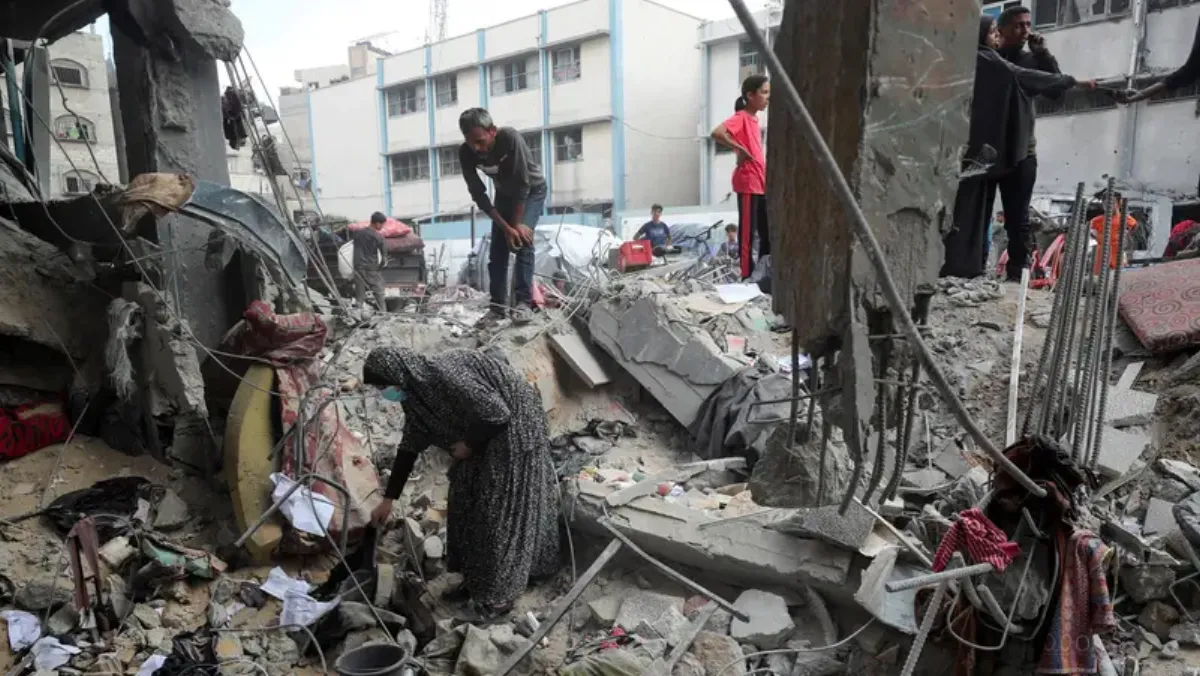
Fighting in Gaza raged for a 22nd day Saturday after Hamas militants launched a surprise attack on Israel, killing at least 1,400 people, mostly civilians, according to Israeli officials.
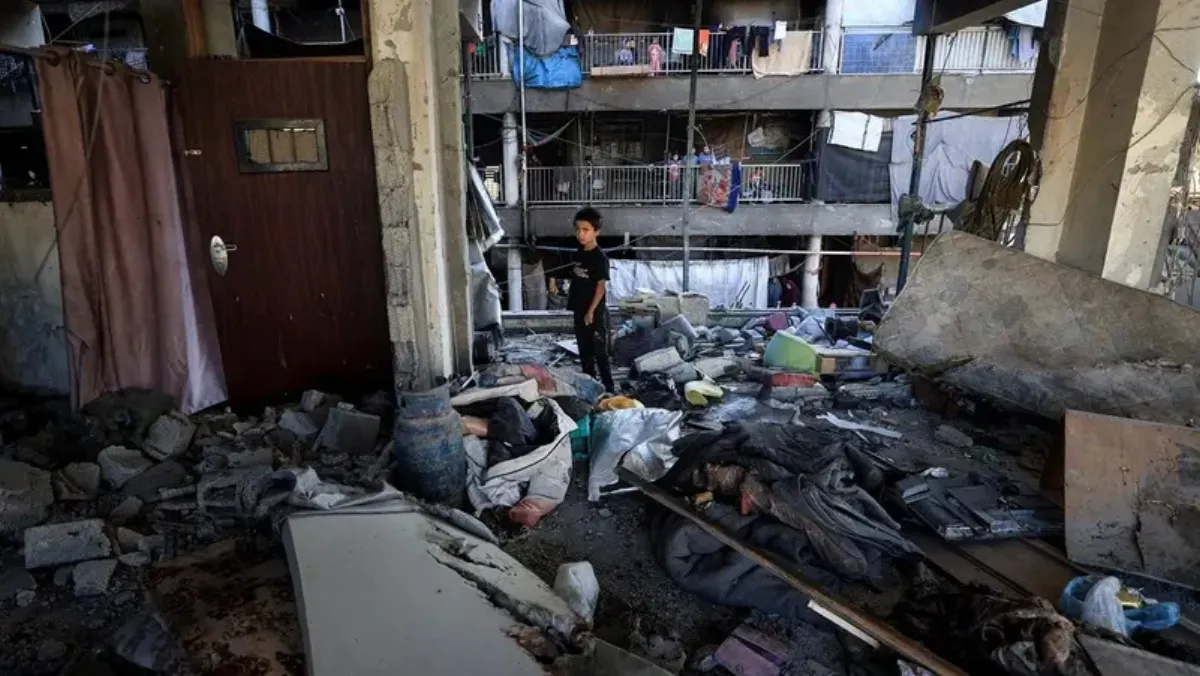
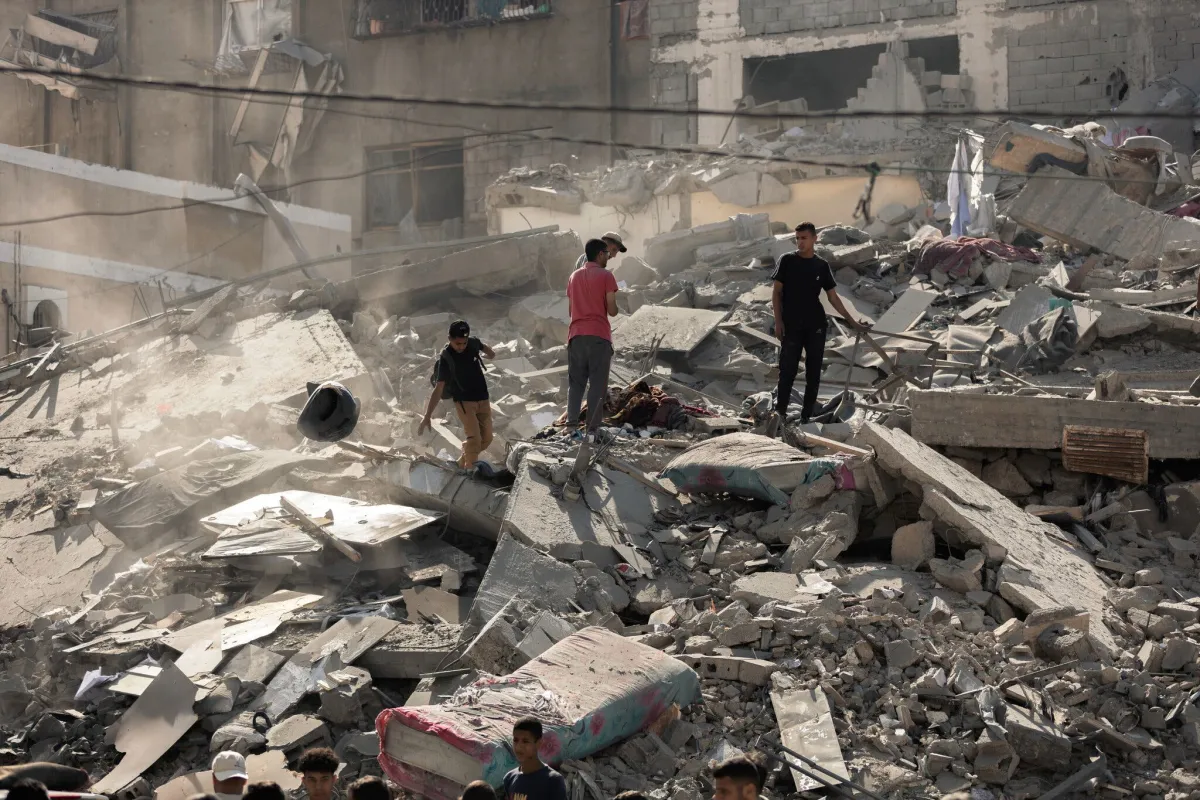
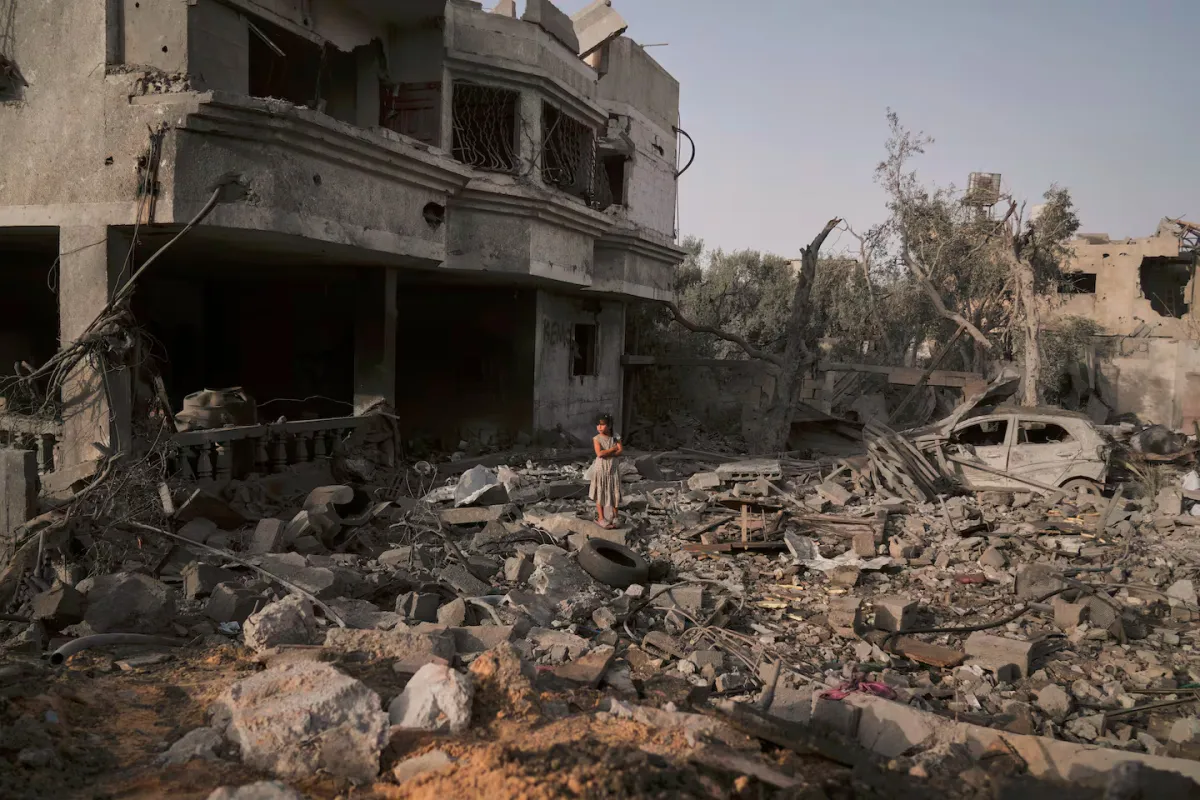
Since the October 7 attack, the health ministry in the Hamas-run Gaza Strip says more than 7,700 Palestinians have been killed by Israel's relentless retaliatory bombardments, mainly civilians and many of them children.
Here are five key developments from the past 24 hours:
The war with Hamas has "entered a new phase", Israeli Defence Minister Yoav Gallant said.
"Last night the ground in Gaza shook. We attacked above ground and below ground," he said, alluding to Hamas' network of tunnels and vowing Israel would "hunt down every terrorist".
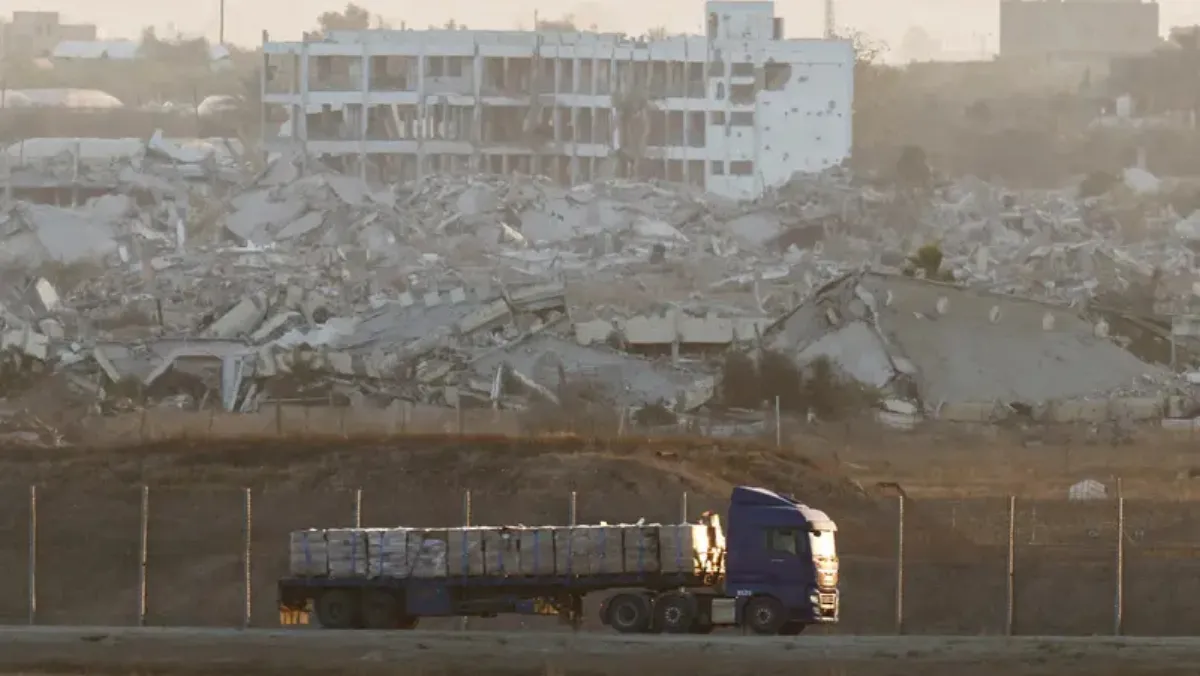
His remarks came as Israeli ground forces continued operating in northern Gaza more than 24 hours after they went in.
"Since early Friday evening, combined combat forces of armour, combat engineers and infantry have been operating on the ground in the northern Gaza Strip," the army said.
It also warned Gaza City residents the area was now a "battlefield" saying "shelters in northern Gaza and Gaza (City) are not safe" in leaflets dropped by fighter jets that urged them to "immediately" evacuate south.
UN Human Rights chief Volker Turk warned thousands more civilians could die if Israel presses a major ground offensive.
"Given the manner in which military operations have been conducted until now... I am raising alarm about the possibly catastrophic consequences of large-scale ground operations in Gaza and the potential for thousands more civilians to die," he said.
"There is no safe place in Gaza and there is no way out."
Hamas's armed wing said it was ready to release the hostages if Israel freed all the Palestinians held in its prisons.
"The price to pay for the large number of enemy hostages in our hands is to empty the (Israeli) prisons of all Palestinian prisoners," it said.
"If the enemy wants to close this file of detainees in one go, we are ready for it. If it wants to do it step-by-step, we are ready for that too."
Facing increasing anger over the fate of the captives as Israel steps up its war on Hamas, Prime Minister Benjamin Netanyahu agreed to meet representatives of hostage relatives.
He made no commitment to any exchange deal but told the families authorities would "exhaust every option to bring (the hostages) home".
Turkey's Recep Tayyip Erdogan denounced the West as "the main culprit" behind the bloodshed.
"The main culprit behind the massacre unfolding in Gaza is the West," he told a massive pro-Palestinian rally of several hundred thousand people in Istanbul.
His comments prompted Israel to announce it was recalling all of its diplomats from Turkey.
Billionaire Elon Musk said his Starlink satellite service would support internet access for "internationally recognised aid organisations in Gaza" a day after communications and phone networks were completely cut across Gaza.
The blackout raised alarm, with the Palestinian Red Crescent saying it was affecting emergency calls and critical ambulance sorties, while Human Rights Watch warned it could provide "cover for mass atrocities".
Starlink is a network of satellites in low Earth orbit that can provide internet to remote locations, or areas where normal comms infrastructure has been disabled.
The network has become a key battlefield tool for Kyiv since the Russian invasion.
Latest Developments In The Hamas-Israel War
2 years ago