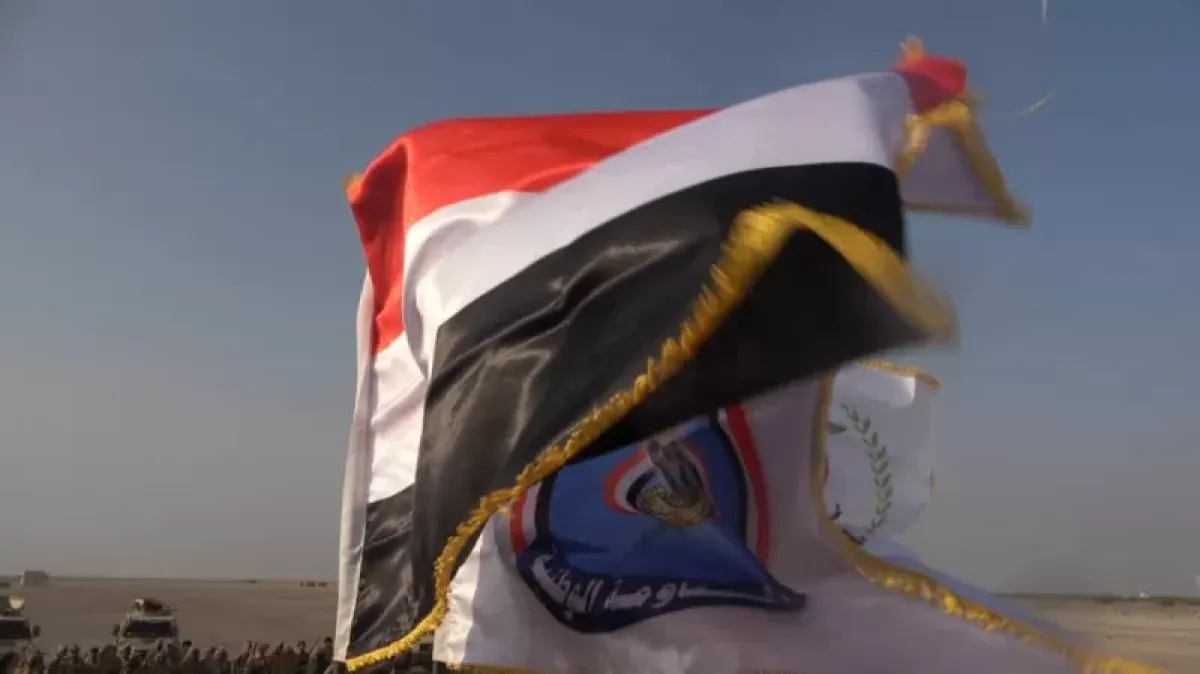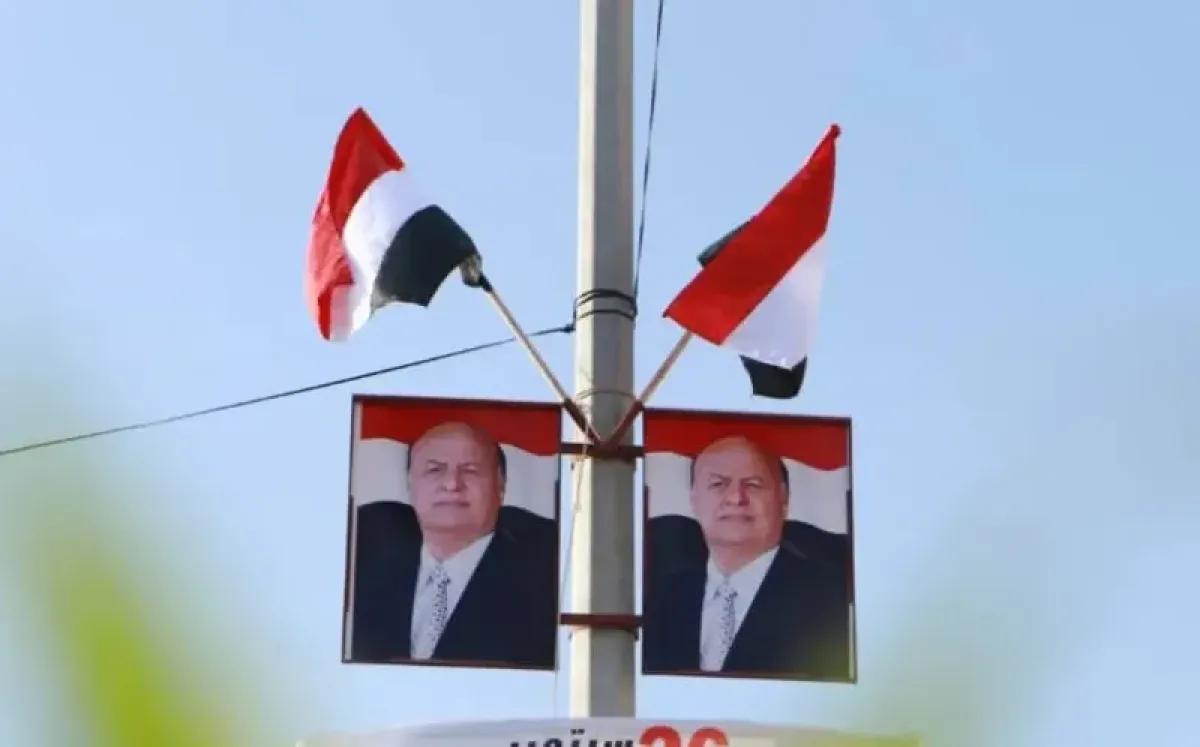
Former Yemeni President Abd Rabbuh Mansur Hadi is being honored across Yemen and internationally through funeral prayers and mourning ceremonies that reflect his significant national and political legacy, particularly his role during complex periods of the nation's modern history and its defense of the republic.
Mourning ceremonies and funeral prayers for the late former President, Field Marshal Abd Rabbuh Mansur Hadi, have extended from the Saudi capital, Riyadh, to various Yemeni governorates, showcasing the deceased leader's broad political and national presence. His tenure coincided with some of the most challenging chapters in contemporary Yemeni history, defined by the struggle to defend the republic and constitutional legitimacy against the Houthi coup.
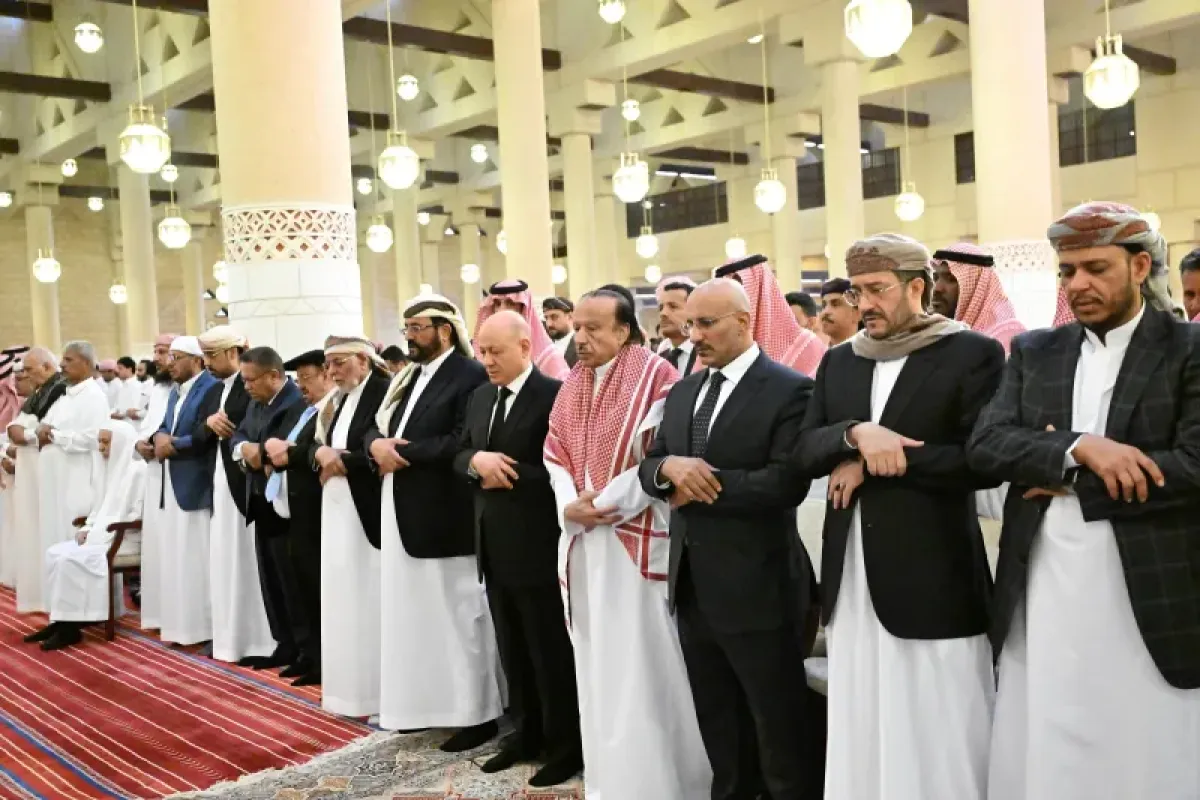
Extensive mourning gatherings and funeral prayers took place in Riyadh, the capital city of Aden, and several other Yemeni governorates. These events saw the participation of state leaders, local authorities, military and security officials, tribal dignitaries, and numerous citizens who reflected on President Hadi's life, career, and stances throughout the country's political and military milestones.
In Riyadh, a formal condolence session was held at the Ritz-Carlton hotel for former President Hadi. Attendees included members of the Presidential Leadership Council such as Tarek Saleh, Sultan Al-Arada, Dr. Abdullah Al-Alimi, and Othman Maghli, alongside other senior officials and national figures. Participants conveyed their sympathies to the late president's family, emphasizing that Yemen has lost a prominent statesman whose name is linked to pivotal political junctures, from his military and political contributions to his leadership during a complex transitional phase following the 2011 events, and subsequently leading the defense of legitimacy after the Houthi militia's coup against state institutions.
The significant political attendance at the Riyadh condolence gathering carried implications beyond protocol, signifying national consensus on the late president's standing as a republican symbol who confronted the Houthi coup project and upheld state legitimacy and its institutions until the final stages of his political life. Similarly, in Aden, members of the Presidential Leadership Council, Lieutenant General Mahmoud Al-Subaihi, and Prime Minister Shayea Al-Zindani received mourners at Aden Mall in the Seera district. Officials, military and security leaders, tribal figures, and citizens alike paid their respects.
Participants affirmed that President Hadi led the country through one of its most difficult modern periods, bearing immense responsibilities amidst the Houthi coup and the ensuing war. They highlighted that his defense of the republican system and efforts to maintain regional and international recognition of the Yemeni state would remain defining aspects of his political journey. Attendees also recalled his decision to peacefully transfer power to the Presidential Leadership Council, recognizing it as a crucial step aimed at unifying the national front and bolstering efforts to restore the state and counter the Houthi agenda.
Alongside official mourning sessions, governorates including Hadhramaut, Taiz, Shabwah, and Socotra, among others, held funeral prayers for the late president, with widespread participation from citizens, officials, military personnel, and community leaders. In Hadhramaut, Hadhramaut Governor and Presidential Leadership Council member, Salem Al-Khanbashi, led prayers, with attendees remembering the late president's support for state institutions and national unity. In Taiz, mosques across the governorate hosted funeral prayers, attended by Governor Nabil Shamsan and military officials, who reiterated the late president's role as a staunch defender of the republic and constitutional legitimacy throughout the war years. In Shabwah, Governor Awad bin Al-Wazir joined citizens in prayers, an occasion that served as a moment to recall President Hadi's positions and his contribution to preserving state unity and its institutions. Socotra province also witnessed funeral prayers in its various districts, where residents remembered President Hadi's decisions concerning the archipelago, notably his 2013 declaration of Socotra as an independent governorate, a decision still highly regarded by its people.
Observers suggest that the scale of official and popular participation in these mourning rites reflects the place President Hadi occupies in Yemen's political memory, not merely as a former president but as a key figure associated with the trajectory of the Yemeni state over recent decades. Hadi found himself at the center of major historical shifts, from the reunification of Yemen to the transitional period, the National Dialogue Conference, and the confrontation with the Houthi coup that dismantled state institutions and plunged the country into war. Analysts assert that the late president's political legacy will continue to be debated and assessed by Yemenis, yet there is broad consensus on his role in preserving state legitimacy and its international representation during one of Yemen's most turbulent modern eras. Observers view the widespread funeral prayers and condolence ceremonies across Yemen as conveying a clear political and national message: the battle for the state and republic, intrinsically linked to the late president, endures. His passing has brought to the fore pivotal moments in Yemen's recent history, along with the enduring challenges and conflicts stemming from that era. The extensive public and official attendance suggests these farewell ceremonies were more than a tribute to a former president; they served as a national occasion to recall a complete phase of Yemen's history, with all its profound transformations and existential challenges, in which Field Marshal Abd Rabbuh Mansur Hadi played a prominent role as a key figure and an architect of its events.