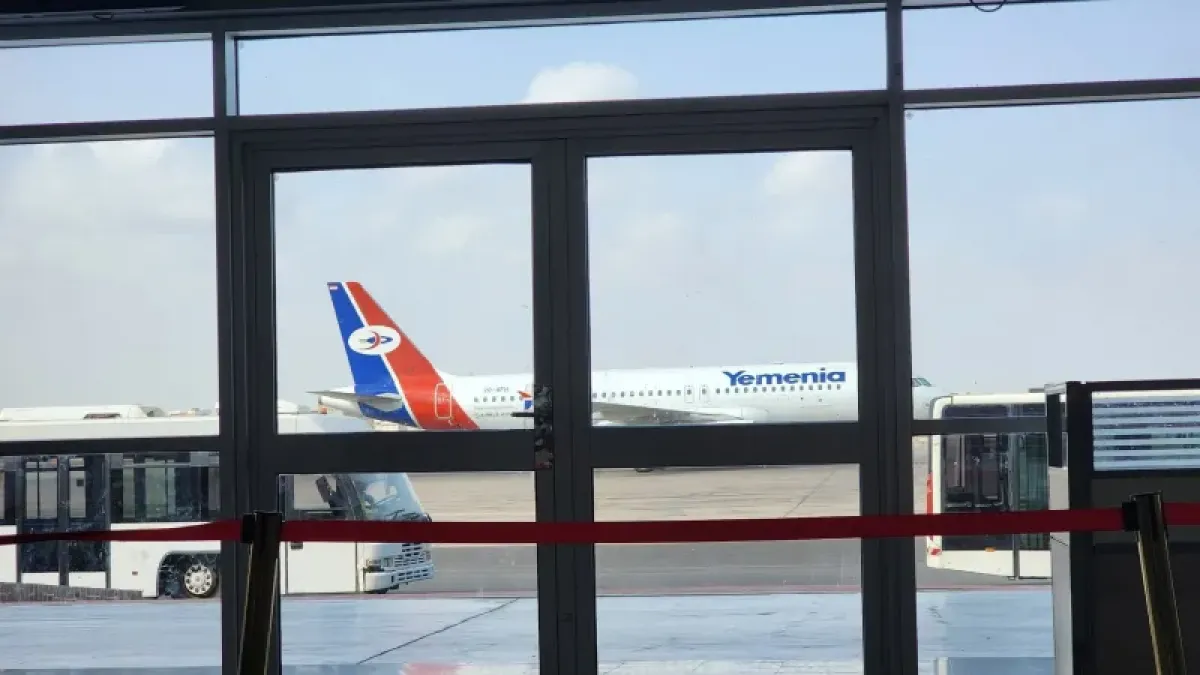
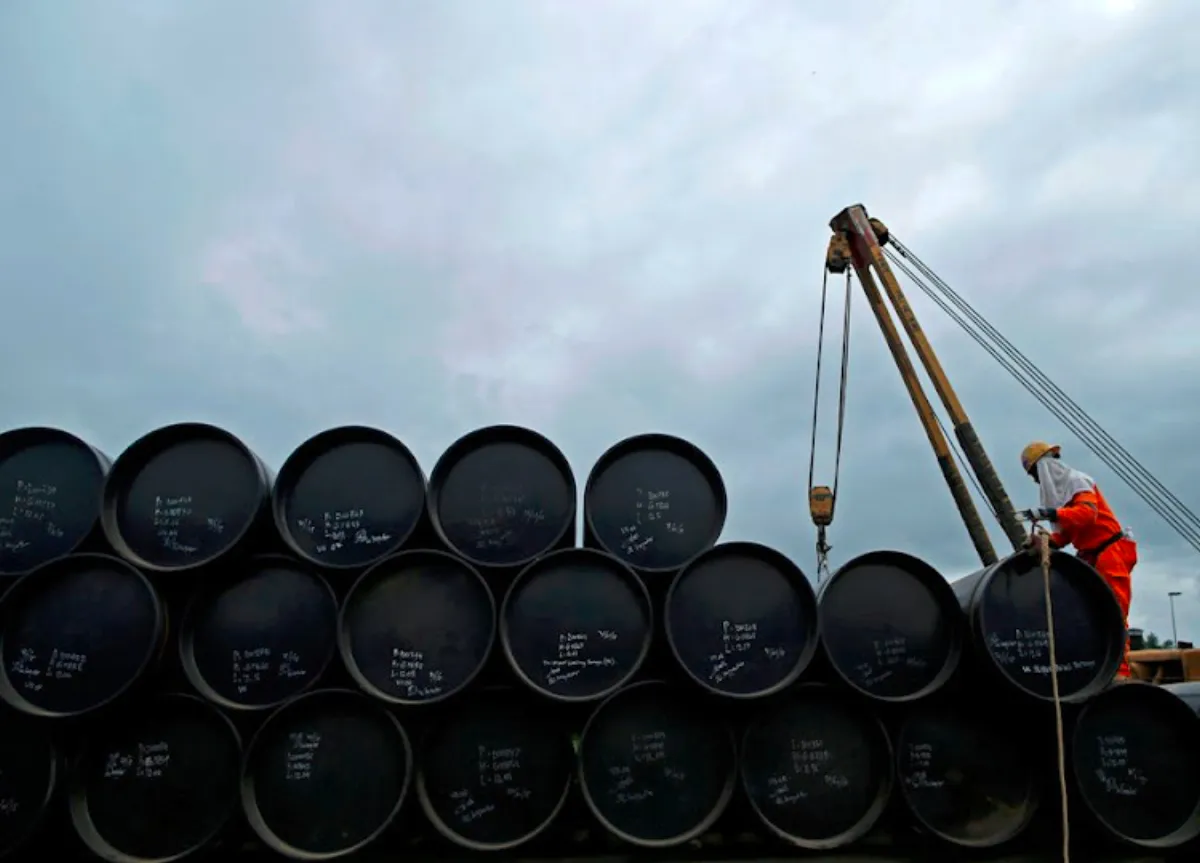
Shipping costs have sharply increased through the Red Sea, as insurance companies are demanding exorbitant premiums to cover ships passing near Yemen due to attacks by the Houthi militia supported by Iran against commercial vessels.
Options have also diminished with the continued shipping through this vital waterway. The humanitarian organization "Direct Relief," which operates in the United States and more than 80 countries, confirmed that the original cost of shipping a container heading to Yemen from the Port of Long Beach in California to Aden was slightly over $6,200, but later "Red Sea fees" of $3,000 were added, resulting in an increase in costs of approximately 50%.
For containers heading to Sudan, transport companies imposed "emergency surcharges" of $1,500 to cover the increasing security risks. The organization stated in a recent report that with the Houthis continuing to attack ships in the Red Sea, many shipping companies worldwide are avoiding the vital shipping route and not going anywhere near Yemen.
For "Direct Relief," which provides donated medicines and medical supplies to the population in Yemen and Sudan, two of the world's most disrupted and impoverished countries, avoiding the Red Sea "is not a viable option." Although attacks by the Houthi rebels in Yemen have disrupted shipping in the Red Sea since November, the situation has recently deteriorated. On January 26, Maersk, the world's largest container shipping company, notified customers that it would suspend shipping through the Red Sea, citing new intelligence about the increasing security risks.
Maersk is redirecting ships around South Africa instead of using the shortcut of the Suez Canal, which connects the Red Sea to the Mediterranean. Anders Thorsen, the director of "Direct Relief," said that while ships crossing the Red Sea and the broader area around the Horn of Africa have been vulnerable to piracy for a long time, larger container ships "have traditionally been difficult to attack due to historically used primitive boats.
Of course, the attacks are different now, and it is truly difficult to defend against missile attacks. As a result, we also see many shipowners/captains refusing to transit the Suez Canal due to the risks involved." Shipping from Europe to Port Sudan by circumnavigating Africa instead of passing through the Suez Canal to the Red Sea takes between 10 to 14 days for the journey, leading to increased costs and reduced global shipping capacity.
Maersk stated, "The situation remains currently untenable, and we encourage customers to prepare for continued complications in the region and significant disruption to the global network." Assistant Director of Transportation at "Direct Relief," Alisa Harnisch, said, "As a transportation company, we can get lower quotes than if we wanted the shipment to move through the Red Sea/Aden Gulf for a shorter transit period."
The organization works with logistics service companies to manage the shipping process, including finding ships to deliver the goods. The company continues to book passage through the Red Sea, but many ship owners refuse to transit this way. Yemen has long been one of the world's worst humanitarian crises.
For nearly a decade of war, half of Yemen's population of 35 million people suffers from limited or no access to food. Currently, there are two ocean containers heading to the Red Sea, one on its way to the temporary Yemeni capital, Aden, carrying a wide range of hospital supplies, and the other heading to Port Sudan on the western coast of the Red Sea, loaded with insulin and other supplies for children with diabetes. Deputy Director of Emergency Response at "Direct Relief," Gordon Willcock, said, "We need to find a way to reach these dangerous places, or we won't be able to do our work."