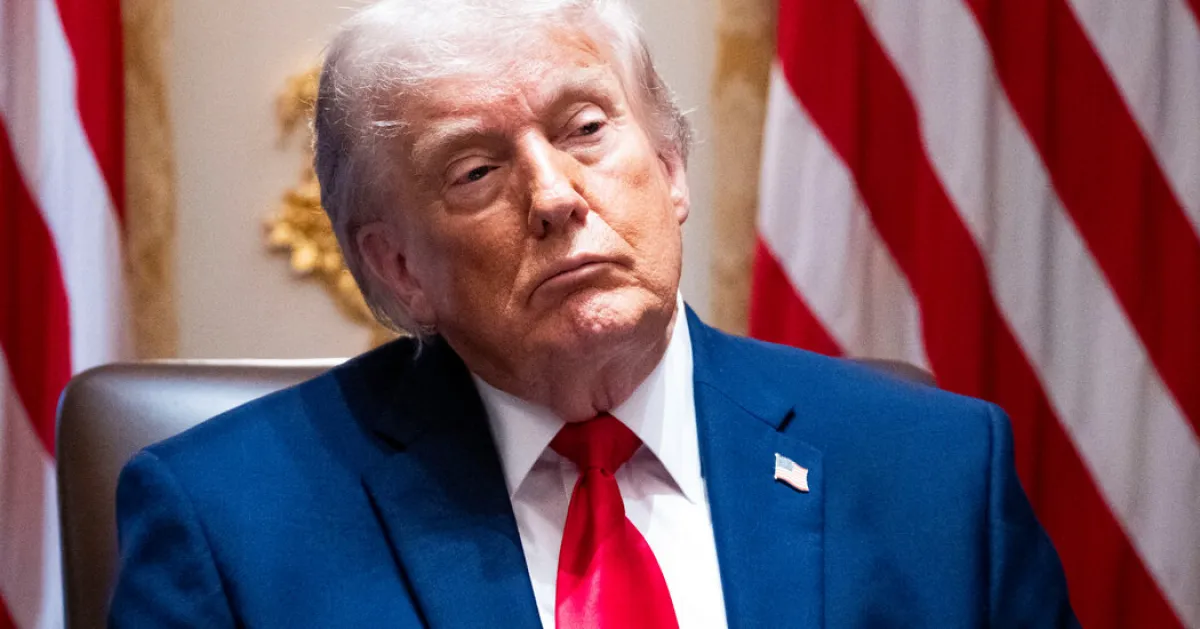
The Middle East watched with apprehension on Saturday as President Trump deliberated on a proposed agreement concerning Iran, with the United States emphasizing its commitment to securing a resolution acceptable to the President.
President Trump had indicated on Friday that he was engaged with advisors in the White House Situation Room to render a "final determination" regarding the proposed deal. However, the meeting concluded without any public announcement, highlighting the President's fluctuating stance, which has oscillated between expressions of progress and threats of renewed military action.
Later on Friday evening, Iranian officials stated that "no final agreement" had been reached with the United States. Esmaeil Baghaei, the spokesperson for the Iranian Foreign Ministry, informed state television that while "message exchanges are of course ongoing," a definitive accord remained elusive.
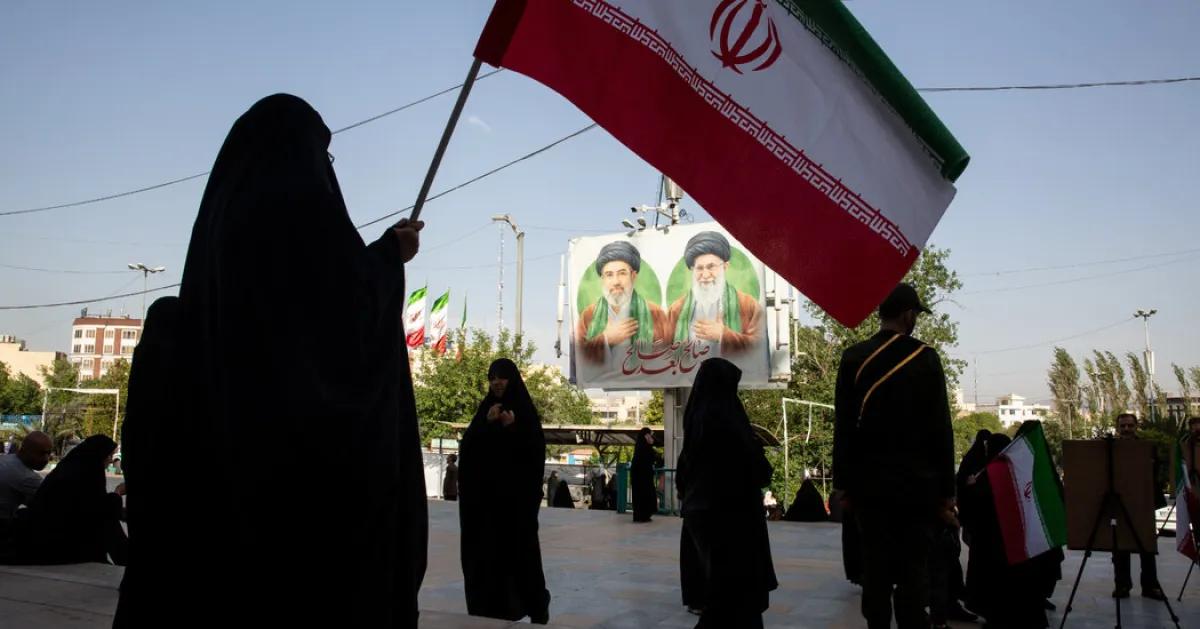
Some individuals within Iran who had harbored hopes that the conflict might lead to the dismantling of the Islamic Republic's autocratic governance expressed disillusionment and indifference toward a potential agreement. "We know that even if there is one, we will not receive any benefits from it," stated Ali, a 43-year-old engineer from Mazandaran Province in northern Iran, who requested anonymity due to concerns of government reprisal. He added, "It would mostly serve to guarantee the survival of the Islamic Republic."
The specific details of the proposal, which has not yet been publicly disclosed, were described by several officials privy to the discussions or involved in the negotiations. These individuals spoke on the condition of anonymity owing to the sensitive nature of the diplomatic efforts.