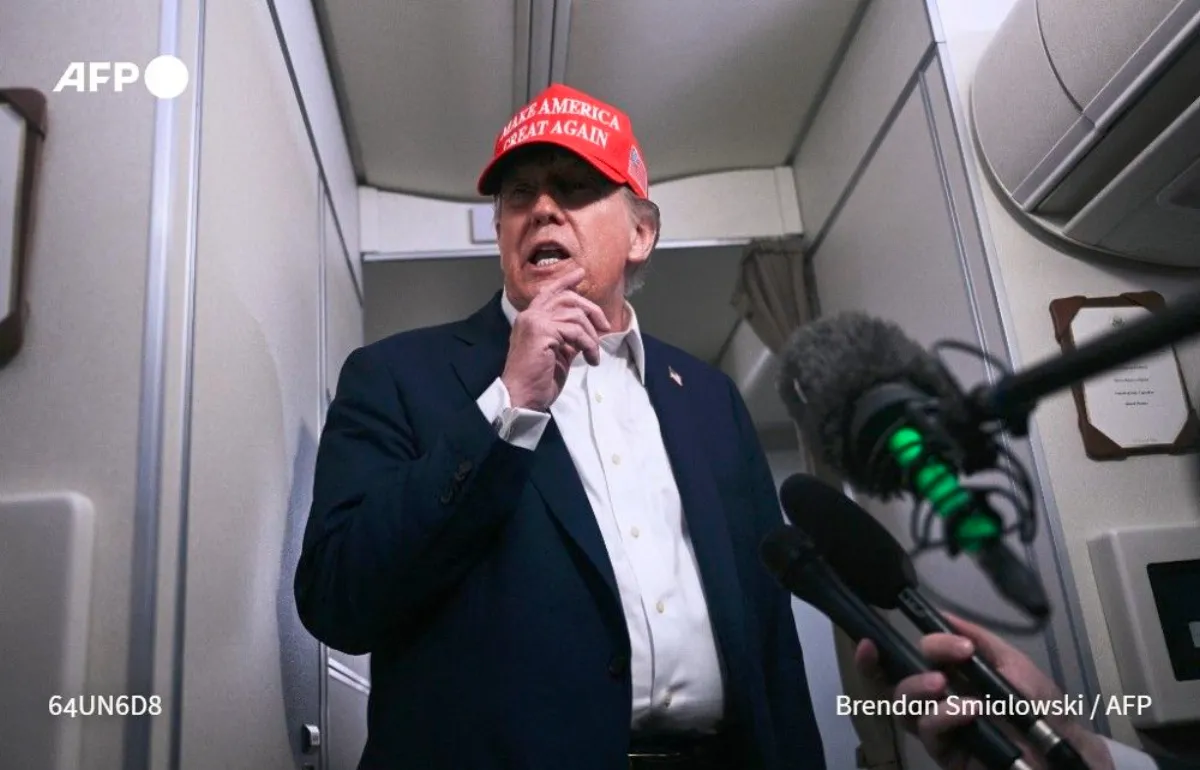
US President-elect Donald Trump is raising the bar, and expectations, for US diplomacy in the Middle East, and he’s not even in office yet.
US partners in region are hopeful about Trump’s return. They may not say it outright, because of diplomatic niceties, but that’s the vibe behind closed doors.
Biden and his diplomatic team, as Aaron David Miller put it in September, had become part of the “political furniture” in the region — always present and widely ignored. That chapter is closing fast.
Iran, for its part, is scrambling diplomatically to head off ramped-up sanctions in an expected revitalized campaign of maximum pressure under the Trump administration.
When he came into office in 2021, President Joe Biden gave top priority to a new nuclear deal with Iran, including loosening Trump era sanctions as a sweetener.
In return, Iran expanded its nuclear program and upped its “resistance” game via its proxies in Lebanon, Gaza and Yemen.
An emboldened Hamas, feeling that Iran and its resistance allies had its back, attacked Israel on Oct. 7, 2023, killing nearly 1,200 Israelis and leading to a war that led to over 40,000 Palestinian deaths.
Since Trump’s election, Iran has made clear, through both public and diplomatic channels, that it wants a deescalation on all fronts.
Iranian President Masoud Pezeshkian met this week with Rafael Grossi, head of the International Atomic Energy Agency, the UN’s nuclear watchdog, and reiterated Iran’s willingness to engage with the West and forego a nuclear weapon.
Iran sent a written message to the Biden administration saying that it did not try to kill President Trump, rejecting charges from the US Justice Department that Tehran had indeed plotted an assassination attempt.
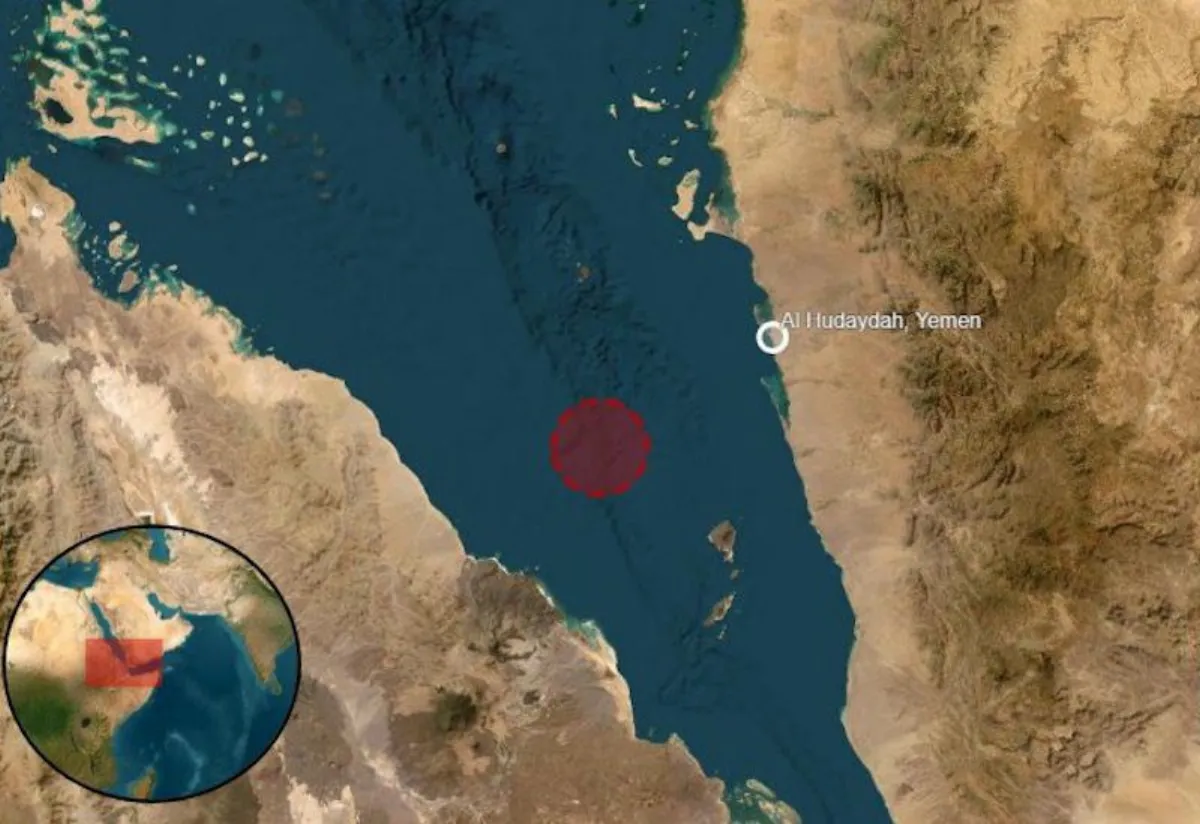
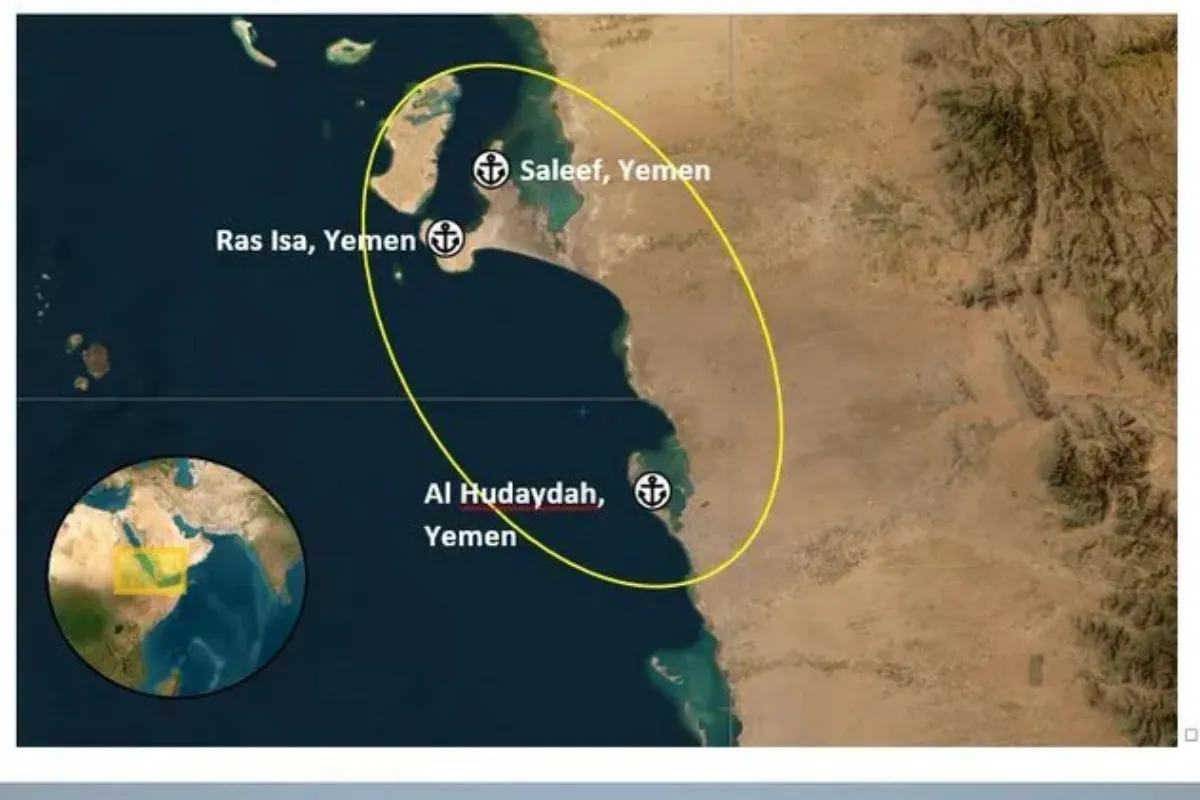
Elsewhere in the region, the Trump team will likely seek an overdue crackdown on the Houthi militia in Yemen, whose continued attacks have complicated shipping and transportation routes, raising the costs in Egypt and elsewhere.
The Trump administration could take a second look at Iraq policy. Biden has backed Iraqi Prime Minister Mohammed Shia al-Sudani, but the real power is a political coalition heavily weighted toward Iran-backed groups which have taken over Iraq’s security and energy sectors. Trump’s election has put the pro-Iran Popular Mobilization Units (PMU) in Iraq on notice. The incoming administration will also expect Iraq to finally open up the energy sector to US companies, given the US investment there over the past two decades. There will likely be less tolerance for contracting terms favorable to China, and influenced by Iran, once Trump takes office.
Trump benefits from Israel Prime Minister Benjamin Netanyahu’s remaking of the regional strategic landscape. Israel has killed Hamas and Hezbollah’s political leaders, as well as key Islamic Revolutionary Guards Corps (IRGC) operatives, while taking out most of Iran’s air defenses. Iran hasn’t been knocked back this far in decades, probably since the darkest days of the Iran-Iraq war in the early 1980s, or after the Trump administration’s killing of IRGC leader Qasem Soleimani in January 2020. Netanyahu is still weighing a possible attack on Iran, perhaps linked to a long-delayed appearance on Dec. 2 in his corruption trial.
Just over a year ago Netanyahu was politically a dead man walking because of his corruption trials and the intelligence failure which led to Oct. 7. Since then, his popularity has soared with the military campaign against Hamas and Hezbollah and the killings of their leaders.
Both Trump and Netanyahu will give priority expanding the Abraham Accords to Saudi Arabia. That may not come easily or fast, as the kingdom has demanded that Palestinian statehood be part of the deal. Netanyahu’s hard-right coalition partners want annexation over statehood. Here too the “art of the deal” will be on display.
Trump said in September that he wants a deal with Iran because of the consequences for the region of not getting one — including the prospect of an Iranian nuclear weapon. His approach to Iran will be results based and executed with priority and urgency. Unlike its predecessor, the Trump team will not be content with the dribs and drabs of inconclusive meetings and unmet promises from Iran on its nuclear program and regional proxies. It’s all about peace through strength. Negotiations, if they happen, will come under duress, or the threat of duress, for Iran. This is already in the air, two months before the formal transition. Elon Musk’s meeting last week with Iran’s permanent representative to the United Nations, Amir Saied Iravani, likely laid out the stark choices Tehran faces under Trump.
Trump already shaking up Mideast diplomacy on Iran
1 year ago