US and Iran are reportedly on the verge of a provisional 60-day understanding aimed at de-escalating tensions and opening new avenues for negotiation regarding Iran's nuclear program. This development, if finalized, signifies a significant diplomatic breakthrough following a period of heightened military threats and economic sanctions.
According to Axios, citing American officials, the draft memorandum of understanding requires final approval from President Donald Trump, who has requested additional time to review its provisions. This indicates the sensitive nature of the proposed agreements and their potential political and security ramifications both domestically and internationally.
While referred to as an "agreement," the current discussions appear to represent a temporary political and security truce rather than a comprehensive settlement. The objective seems to be to buy time and prevent a regional escalation, pending negotiations on more complex issues such as uranium enrichment and US sanctions.
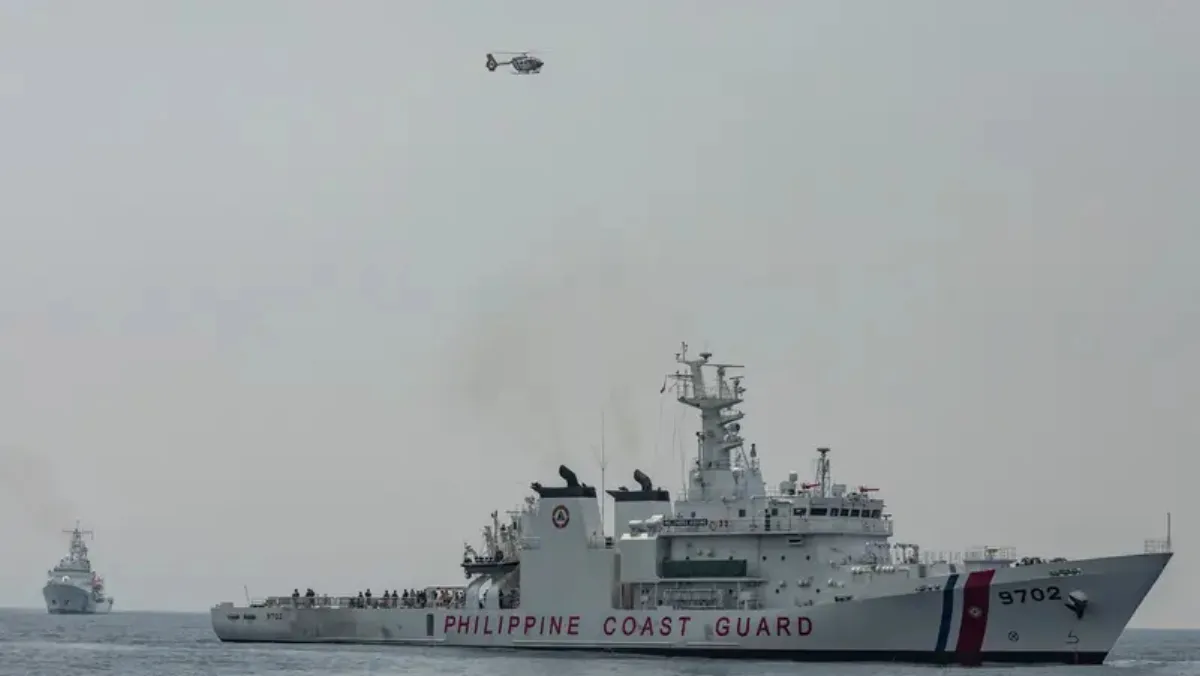
Leaked details suggest the memorandum includes guarantees for free navigation in the Strait of Hormuz, alongside a commitment from Iran to clear naval mines within 30 days. This addresses international concerns over threats to global trade and energy flows through this critical waterway.
The proposed deal also envisages a gradual lifting of the US maritime embargo on Iranian ports, coupled with a restoration of trade activities, offering a potential economic respite for Tehran amid years of stringent Western sanctions. In return, Iran would reportedly commit to not pursuing nuclear weapons and to enter negotiations within the 60-day period concerning its enriched uranium stockpile and enrichment program, a core point of contention since the collapse of the previous nuclear accord.
Furthermore, the draft reportedly commits the United States to discussing sanctions relief, the release of frozen Iranian assets, and the establishment of a mechanism for humanitarian aid and goods to enter Iran, aiming to alleviate mounting economic and humanitarian pressures.
Observers suggest that the nature of the proposed agreement reflects both parties' efforts to avoid direct confrontation, which could precipitate a wider regional war, especially given the fragile security landscape in the Middle East. However, significant skepticism surrounds the potential durability of this understanding, given the long history of conflict and mistrust between Washington and Tehran, as well as the presence of hardline factions within both countries opposing strategic concessions.
Analysts believe President Trump's request for additional review time acknowledges the sensitivity of any understanding with Iran, both concerning domestic US politics and the reactions of regional allies, particularly Israel and Gulf states. Any easing of sanctions or economic concessions could also face criticism within Washington from those who perceive Iran as exploiting periods of détente to advance its nuclear and military capabilities, as well as its regional influence.
Iran, conversely, appears keen on securing swift economic gains to alleviate its domestic crisis without making fundamental concessions that could be interpreted internally as capitulation to US pressure. This positions the current agreement more as an "expedition management understanding" than a definitive resolution to the nuclear standoff. Nonetheless, the reopening of negotiation channels and the exploration of understandings related to navigation, sanctions, and the nuclear program underscore a mutual recognition that continued open escalation carries substantial risks for regional stability and the global economy, particularly given the direct link between global energy security and any tensions in the Strait of Hormuz.
The fate of the agreement now hinges on the White House's decision in the coming days. Regional and international capitals are closely watching whether these understandings will usher in a new period of détente or prove to be a temporary truce susceptible to collapse under the next political or security challenge.