Scientists are rethinking the thymus, a small immune system organ previously dismissed as unimportant after childhood. New research from Mass General Brigham suggests this "forgotten organ" could be a key player in adult health, potentially predicting lifespan and influencing cancer treatment success.
Two recent studies published in Nature have unveiled compelling evidence that a healthier thymus in adults is associated with a longer life and a reduced risk of developing serious illnesses. The findings challenge decades of scientific assumptions, indicating that the thymus remains vital throughout adulthood and could offer new insights for disease prevention and cancer therapy.
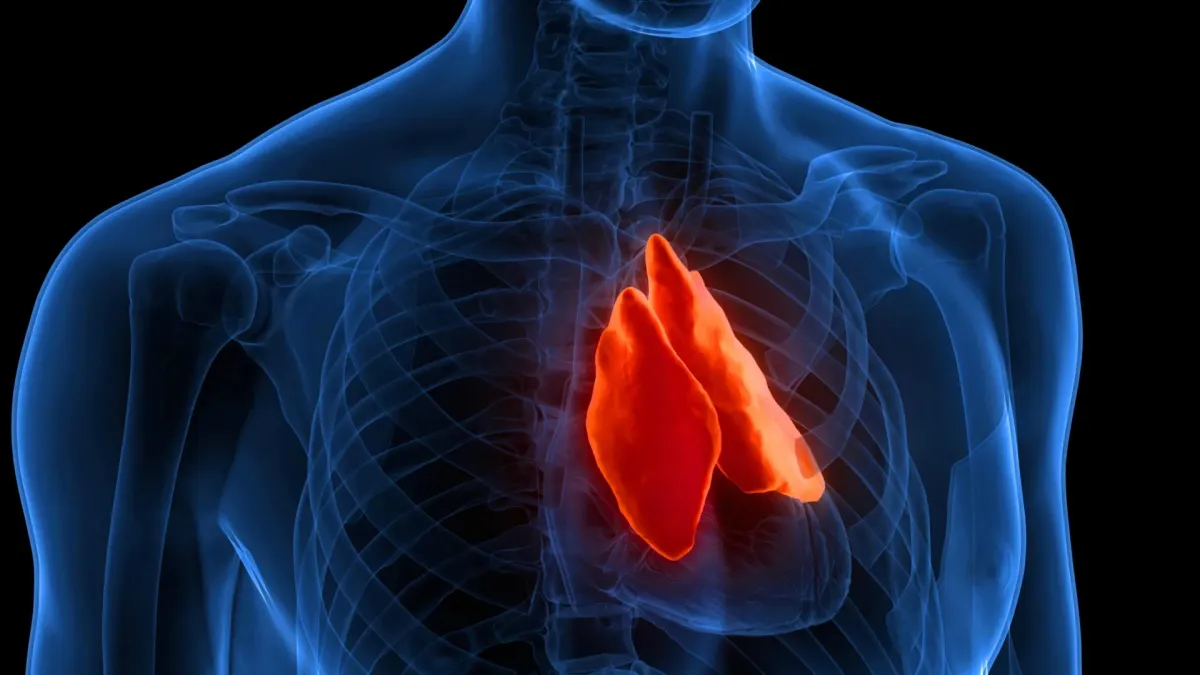
The thymus, located in the chest, is crucial for training T cells, which are essential for fighting off infections and diseases. While it shrinks after puberty and produces fewer T cells over time, leading many to believe its role diminishes, this new research suggests otherwise. By using artificial intelligence to analyze routine CT scans from thousands of adults, researchers developed a "thymic health" score.
Individuals with higher thymic health scores showed significantly better health outcomes. They had a 50% lower risk of death from any cause, a 63% lower risk of dying from cardiovascular disease, and a 36% lower risk of developing lung cancer, even after accounting for other health factors. The research also pointed to chronic inflammation, smoking, and higher body weight as factors associated with poorer thymic health.
Furthermore, the studies explored the thymus's role in cancer immunotherapy. In over 1,200 cancer patients, those with healthier thymuses showed a better response to treatment, experiencing a 37% lower risk of cancer progression and a 44% lower risk of death. This suggests that thymic health could be a crucial, yet previously unrecognized, factor in the effectiveness of modern cancer treatments.
While these findings are groundbreaking, researchers stress that more studies are needed to confirm the results and explore whether lifestyle changes can directly improve thymus function. The imaging technique used to measure thymic health is also not yet ready for widespread clinical use. However, the potential to improve risk assessment and guide treatment decisions by monitoring thymic health is a significant step forward.