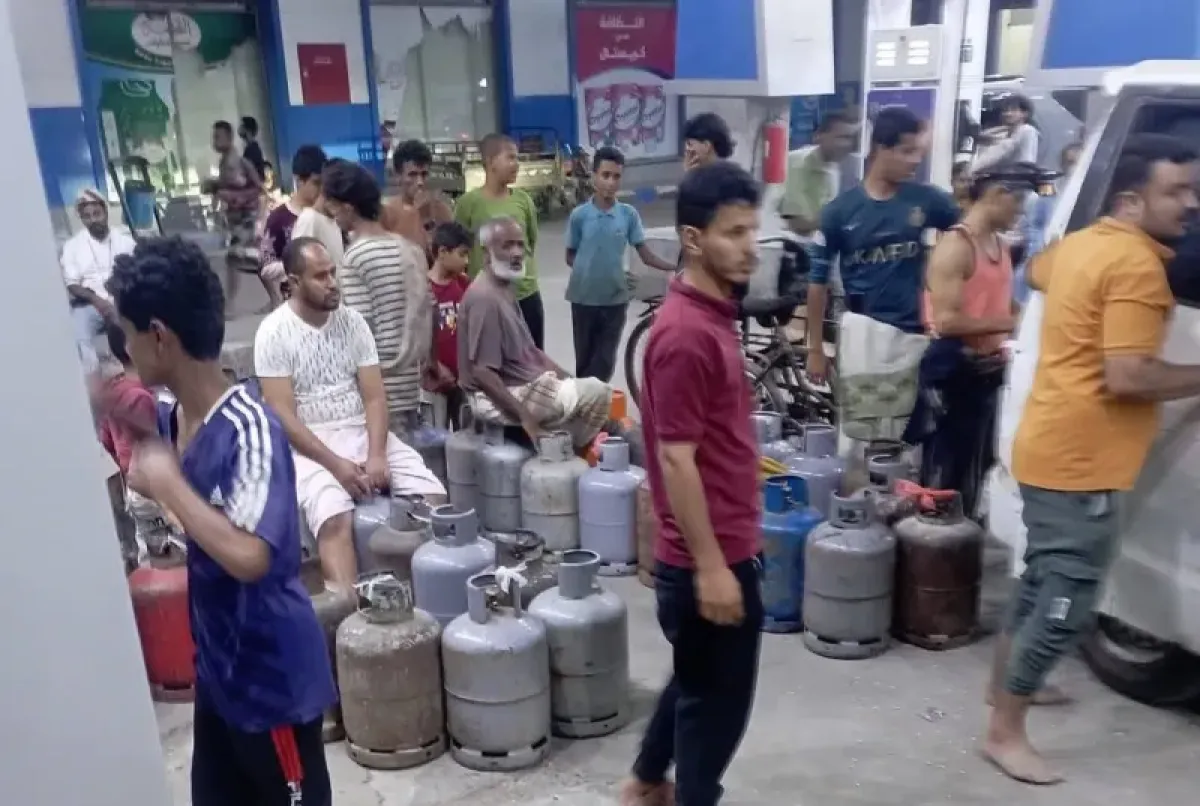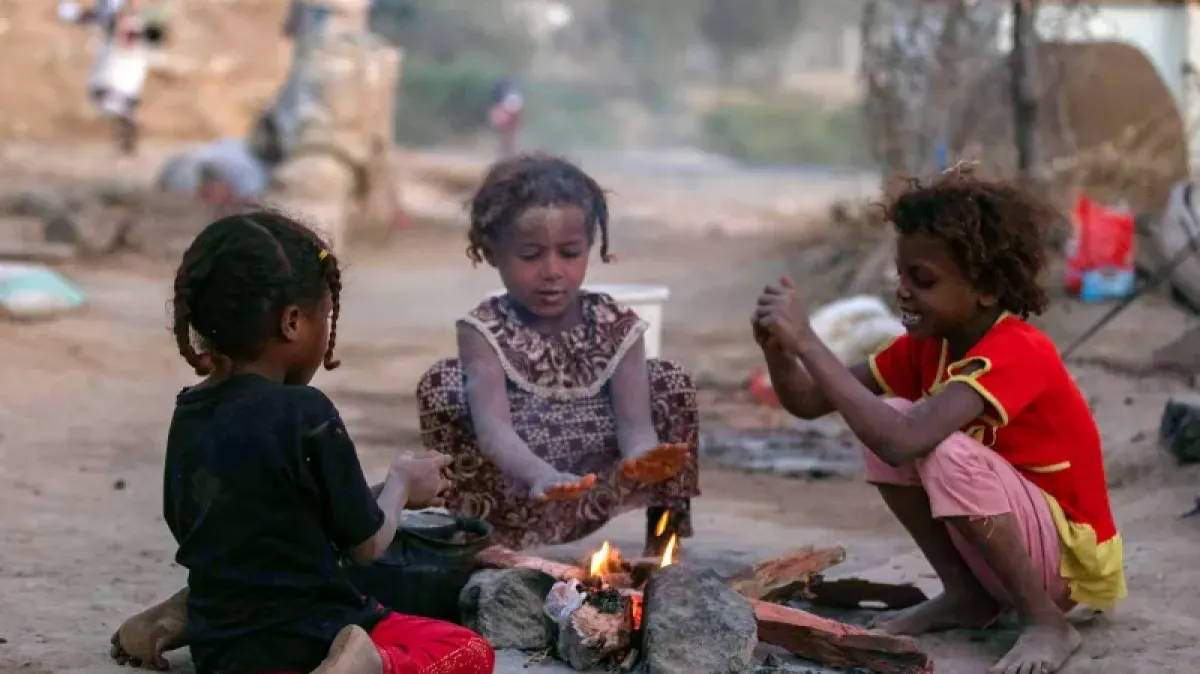
Millions of Yemeni families are struggling daily to secure even one meal amid dwindling income sources, rising prices of essential goods, and declining humanitarian aid, particularly in displacement camps and impoverished neighborhoods from Hodeidah to Marib.
International estimates indicate that the food security crisis in Yemen is projected to persist and worsen in the coming months, reflecting the extensive humanitarian consequences of over a decade of war and economic collapse. The Famine Early Warning Systems Network (FEWS NET) anticipates high levels of food insecurity to continue until the end of September, warning that millions will remain in severe humanitarian crisis, especially in areas most affected by conflict and economic deterioration. The network's latest report classifies the food emergency in several Houthi-controlled governorates, including Hodeidah, Hajjah, and parts of Taiz, as Phase Four of the Integrated Food Security Phase Classification, one step away from famine.
The report also notes that the food crisis will remain widespread in other Houthi-controlled regions, with most families experiencing "Crisis" levels (Phase Three) due to reduced capacity to afford basic food needs and reliance on harsh coping mechanisms. In areas controlled by the internationally recognized Yemeni government, the outlook is similarly grim, with the network predicting the continuation of food crisis levels through the third quarter of the year. Scattered pockets are expected to face severe food emergency conditions, particularly among the poorest and most aid-dependent families.
This prolonged crisis is attributed to a complex interplay of factors, including the deterioration of the business environment, declining economic activity, restrictions on investment and trade, and a scarcity of employment opportunities and livelihoods in Houthi-controlled areas. Economic and financial imbalances persist in government-controlled regions. Experts highlight that the food crisis is now intrinsically linked to the collapse of household purchasing power, where even available food is unaffordable for a significant portion of the population due to reduced incomes, high prices, and currency devaluation in government-controlled areas.
The Famine Early Warning Systems Network warns that these conditions will widen food consumption gaps, compelling more families to adopt unsustainable coping strategies such as reducing meal frequency or foregoing other essential needs to purchase food. Further underscoring the escalating humanitarian needs, the Planning and International Cooperation Office in Marib Governorate reported that approximately 296,835 families will require urgent humanitarian assistance in 2026, due to the ongoing impact of displacement and reduced funding for humanitarian programs. Marib, hosting the largest concentration of displaced people in Yemen, is among the most severely affected governorates, with over 234,000 families currently facing acute food insecurity, a 13% increase from previous years.
The crisis extends beyond food, with 63% of Marib's population lacking safe and sustainable access to drinking water, while infrastructure and public services are strained by rapid population growth from displacement. Vulnerable groups, including children and women, bear the brunt of the humanitarian crisis. Many health facilities operate partially or require rehabilitation and essential equipment, and around 100,000 pregnant and lactating women need urgent health and nutritional services. The economic crisis has also impacted education, forcing over 6,200 children out of school, and nearly half of displaced children lack identification documents, hindering their access to basic services. Of displaced families, 71% live in temporary shelters vulnerable to environmental hazards, while over two-thirds living in rented housing face eviction due to rising rents and deteriorating economic conditions. Humanitarian experts warn that continued displacement and reduced international funding threaten to exacerbate the situation, especially with increasing numbers of aid recipients and dwindling resources for humanitarian organizations.
The indicators from FEWS NET and local authorities in Marib paint a grim picture of Yemen's humanitarian landscape, where the food crisis is intertwined with displacement, poverty, and inadequate health, education, and water services. With ongoing conflict, slow economic recovery, and declining international humanitarian funding, prospects for improved food security remain limited in the short term. Millions of Yemenis face the risk of sliding into deeper deprivation in the coming months unless urgent measures are taken to support the economy, bolster the humanitarian response, and expand aid programs for the most affected populations.