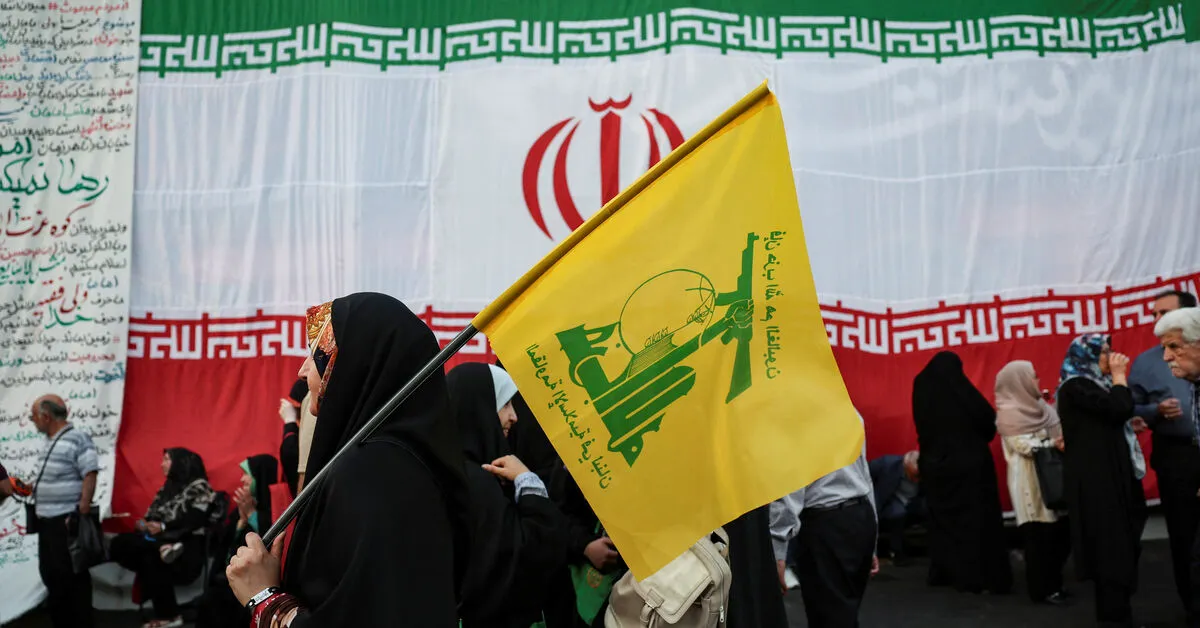
Iran has reaffirmed its unwavering support for Hezbollah and demanded Israel's withdrawal from southern Lebanon, highlighting significant obstacles to an interim peace deal aimed at resolving the broader regional conflict. Tehran insists on a ceasefire in Lebanon as a precondition for any broader agreement with Washington, which would also seek to resume shipping through the Strait of Hormuz.
The recent escalation of hostilities between Hezbollah and Israel began in early March, coinciding with U.S. and Israeli strikes against Iran. Hezbollah stated its actions were in solidarity with Tehran. Iranian Foreign Minister Abbas Araqchi declared in remarks to Lebanese television station Al Mayadeen that the current conflict "will end only when it ends in Lebanon as well," adding that "the end of the war on Lebanon must be accompanied by the withdrawal of Israeli forces from the territories they have occupied."
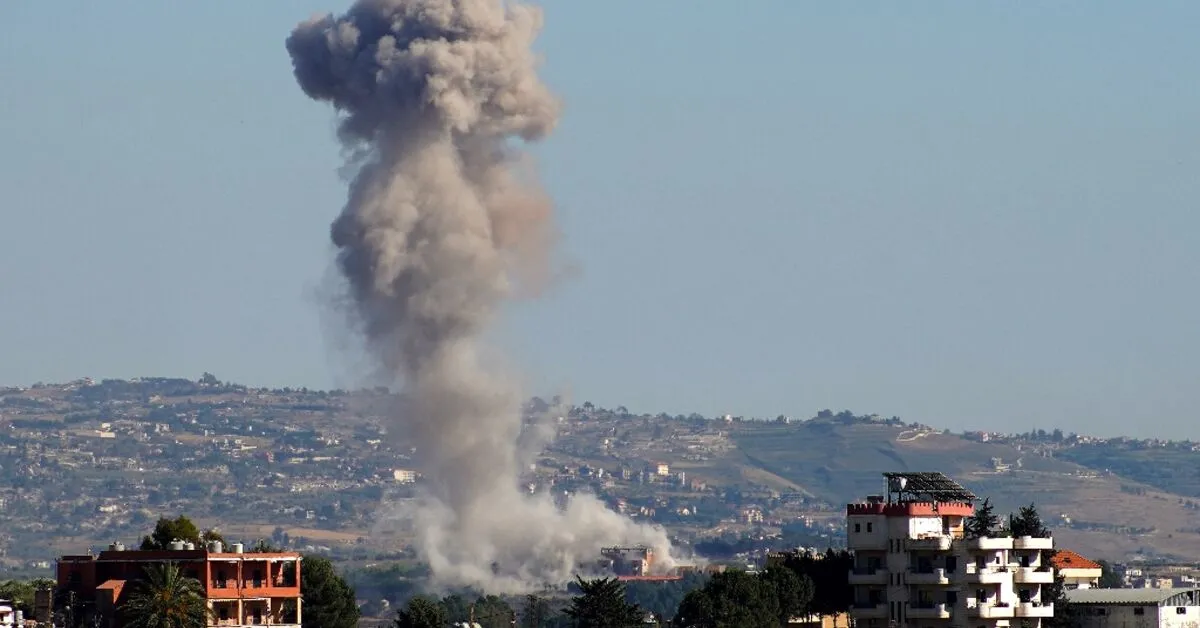
These statements follow Hezbollah leader Naim Qassem's rejection of a U.S.-brokered agreement between Israel and the Lebanese government to cease hostilities. Hezbollah was not involved in the negotiations, and the proposed deal did not include provisions for an Israeli withdrawal. Israel has continued its military operations in southern Lebanon, stating no intention to halt its actions or withdraw forces.
Mohsen Rezaei, an advisor to Iran's supreme leader, emphasized Iran's commitment to its ally Hezbollah, stating the group "had made great sacrifices in the recent war and it is our ally. Therefore, we support Hezbollah and remain firmly committed to our obligations toward it." He also cautioned Israel against threatening the Lebanese capital, Beirut, asserting that "Lebanon will be an inseparable part of any agreement and any ceasefire."
The ongoing regional conflict, now in its fourth month, has led to widespread disruption. Fighting has occurred across Lebanon, Gaza, and northern Israel, despite U.S.-brokered ceasefires. Tensions escalated further when Iranian and U.S. forces exchanged attacks in the Persian Gulf, and an alleged drone attack temporarily suspended oil loading operations at a terminal in Oman. The conflict has significantly impacted global trade routes, particularly through the Strait of Hormuz, driving up oil prices and disrupting supply chains, with the World Food Programme warning of increased hunger risks for millions.
While the U.S. and Iran engage in indirect negotiations for an interim deal to halt hostilities, complex issues such as Iran's nuclear program remain deferred for future discussions. Tehran is seeking access to frozen oil revenues, sanctions waivers, the lifting of port blockades, and concessions regarding the Strait of Hormuz. U.S. President Donald Trump, prioritizing the prevention of Iran acquiring nuclear weapons, stated that Washington does not require a deal to manage enriched uranium from Iran. Iran maintains its nuclear program is for peaceful purposes, with officials asserting uranium enrichment as a right and characterizing the Strait of Hormuz as Iran's "most powerful atomic bomb."