Iran's Ambassador to Moscow, Kazem Jalali, stated that the Strait of Hormuz will remain open but will be subject to new transit fee conditions to be determined by Iranian and Omani authorities.
In an interview published by the Russian newspaper Izvestia on Monday, Ambassador Jalali indicated that fees would be levied for services provided by Iran and Oman concerning the strait. He did not provide further details on the nature of these services or the fee structure.
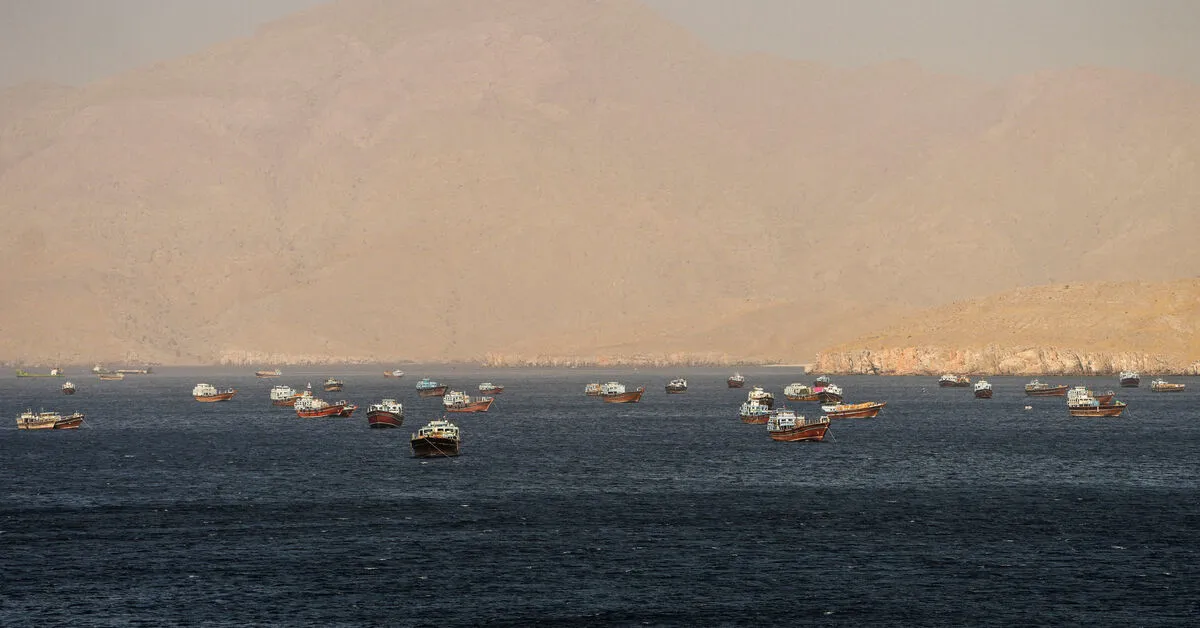
The Strait of Hormuz, a critical chokepoint for global oil transportation, has experienced significantly reduced oil and liquefied natural gas flows due to ongoing conflict. Before the current hostilities, approximately one-fifth of the world's oil supply passed through this waterway.
Iran's position is that a lasting peace agreement should permit the imposition of fees for maritime passage, with the charges potentially varying based on vessel type, cargo, and prevailing circumstances. This stance has been met with strong opposition from the United States. Earlier, the U.S. had warned Oman against participating in any initiative with Iran to implement tolls, with U.S. Treasury Secretary Scott Bessent reporting that Oman's ambassador had assured him no such plans were in place.
The announcement comes amidst heightened tensions, as Israel reported striking military targets within Iran on Monday, following a reported directive from U.S. President Donald Trump to Israeli Prime Minister Benjamin Netanyahu to avoid further escalations. Japan, which relies heavily on Middle Eastern oil, had previously stated it did not pay any fees when a Japanese-linked tanker transited the strait in May.