Iran has announced an end to its military operations against Israel, following hours of reciprocal strikes between the two nations. This move is interpreted by observers as an attempt to contain the repercussions of recent escalation and avert a wider regional conflict, rather than a fundamental shift in Tehran's policy of using military confrontation as a political pressure tool.
The unified command of the Iranian armed forces stated that its military operations against Israel have concluded. However, this announcement was quickly followed by warnings of more severe responses should Israeli attacks persist or expand, reflecting a continued strategy of simultaneously conveying messages of de-escalation and threat.
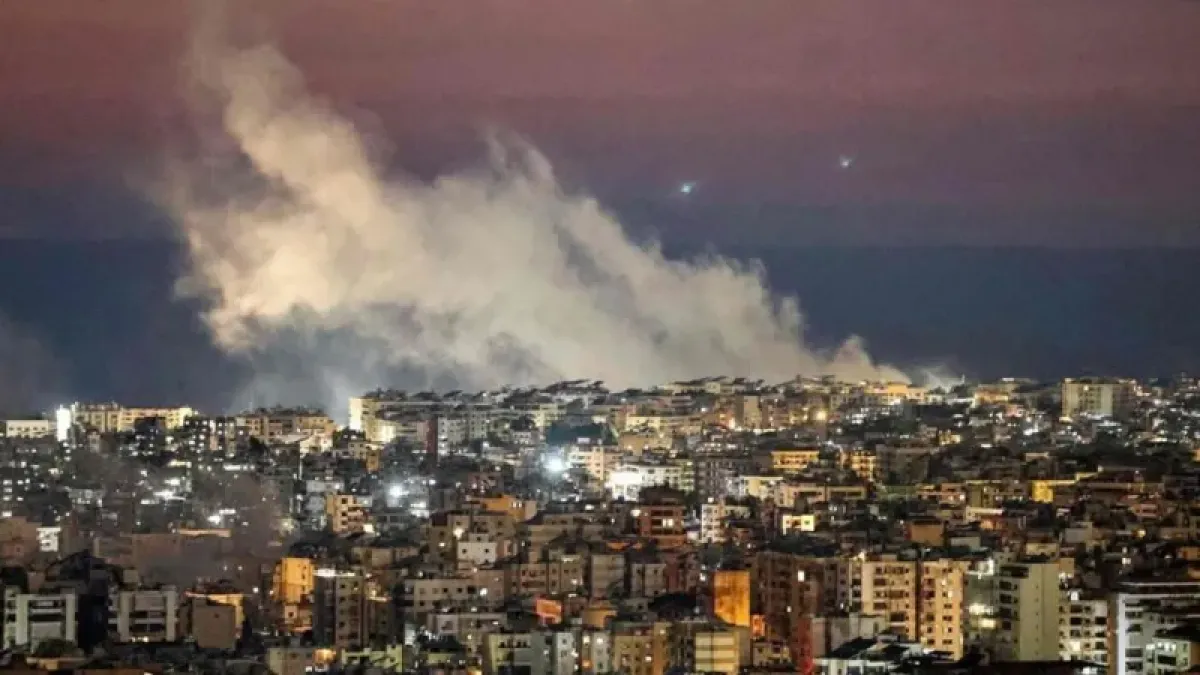
The Iranian declaration came after a new round of military confrontations, which began with Iran launching missiles towards Israel. Israel subsequently retaliated with airstrikes within Iranian territory, marking the first direct escalation between the parties since the ceasefire agreement reached in April.
Analysts suggest that the announcement of halting strikes reveals the extent of pressures facing Tehran, given accumulated economic challenges and international sanctions. There are also concerns that any open confrontation with Israel could evolve into a broad regional conflict, carrying substantial costs for Iran and its regional allies.
While the Iranian leadership spoke of ending military operations, Iranian officials continued to direct accusations at the United States. Ismail Baghaei, the spokesperson for the Iranian Ministry of Foreign Affairs, asserted that Israel could not have conducted its military operations against Iran without coordination with Washington.
These accusations are part of a recurring Iranian policy of holding the United States responsible for regional security developments. Critics of Tehran contend that its regional policies and expansion of influence through armed groups in several Arab countries have contributed to escalating tensions and opening multiple conflict fronts in recent years.
Observers note that the cessation of operations does not negate the fact that the region has witnessed a series of escalations linked to the Iran-Israel conflict in recent months. The mutual military decisions continue to keep the Middle East on the brink of dangerous confrontations that threaten international navigation security, economic stability, and humanitarian conditions in several countries.
Observers also pointed out that Iran frequently resorts to managing conflict through a strategy of "calculated escalation," employing military force or the threat thereof to achieve political objectives and deterrence messages, before reverting to de-escalatory rhetoric as risks increase or international pressure mounts.
The announcement of halting strikes should not be viewed as the end of the existing tension, but rather as a phase within a continuous cycle of escalation and de-escalation governing the relationship between Tehran and Tel Aviv. This is particularly true given the persistence of regional disputes and the absence of any comprehensive settlement to the crises associated with Iranian influence in the region.
While U.S. President Donald Trump called for an immediate cessation of hostilities and avoidance of further confrontation, attention remains focused on the next steps by both parties. Concerns persist that the current de-escalation may merely represent a temporary respite before a new round of escalation, in a region still bearing the cost of regional conflicts and major power competition for influence.