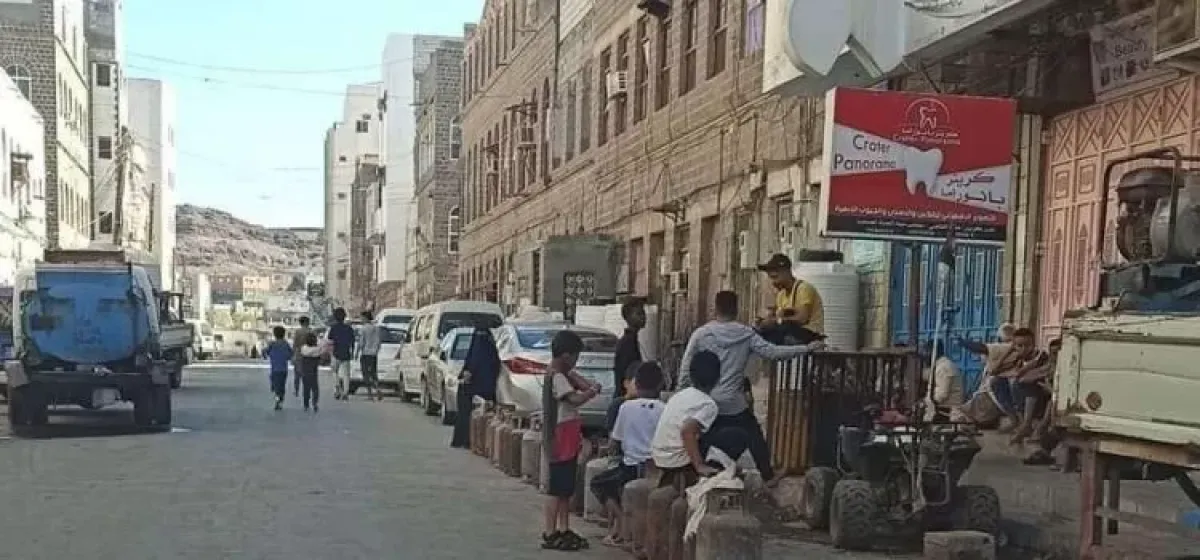
A severe domestic gas shortage is deepening in the liberated provinces, including the capital Aden, with ongoing disruptions in supply and unprecedented price hikes for gas cylinders, exacerbating the already difficult living conditions and diminishing purchasing power of residents.
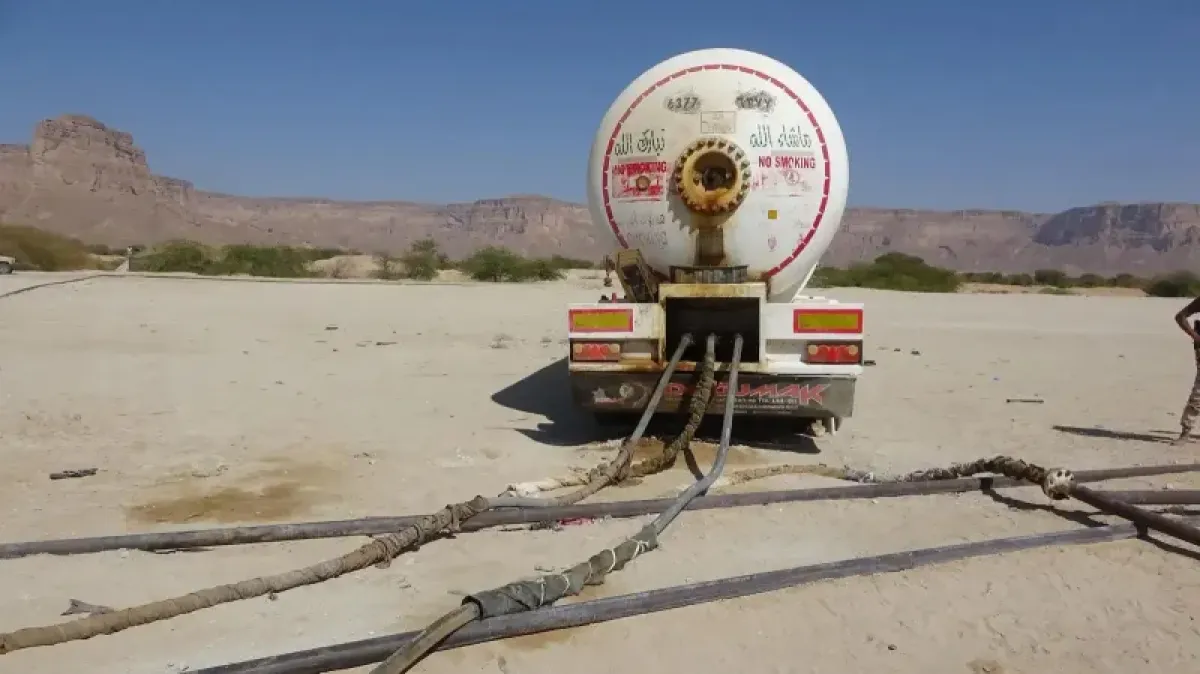
In Aden, a 20-liter gas cylinder is being sold on the black market for approximately 14,000 Yemeni Rials, a price described by citizens as a record high. Accusations of commercial exploitation, hoarding, and smuggling are rampant, transforming an essential commodity into a speculative and extortionate item. Despite assurances from Safir Gas Company in Marib that gas supplies are continuing to liberated provinces, the quantities reaching the markets remain significantly below demand. This raises questions about the fate of these supplies and the reasons behind a crisis that has persisted for over six months, with no viable solutions in sight.
Similar struggles are evident in Mukalla, Hadramout Governorate, where obtaining a gas cylinder has become an arduous daily ordeal. Residents are forced to wait for hours, and sometimes more than a full day, at filling stations. Ahmed Salem, a Mukalla resident, described the situation as a daily struggle, with many returning home without gas due to depleted stock. "The problem is no longer just the price, but the difficulty of obtaining gas itself," he stated. "Families have to wait an entire day to fill a limited quantity that lasts only a short period."
Fatima Abdullah, from Tawahi district, highlighted how the crisis is burdening households, particularly with rising costs of other essential goods. Many are compelled to buy from the black market at inflated prices due to the unavailability of gas at official distribution points. Both citizens and gas-powered vehicle drivers note that the long queues reflect systemic distribution failures and highlight the urgent need for measures to prevent monopolization and ensure regular gas supply.
Observers attribute the ongoing crisis, despite local production, to imbalances in transportation, distribution, and oversight mechanisms. Allegations persist of smuggling, unofficial sales, and the exploitation of public need for illicit profits. Activists point to a lack of effective monitoring, which has allowed market manipulators to dictate prices, leaving citizens to bear the brunt of this chaos amidst weak deterrent measures against those responsible. The prolonged duration of the crisis, without practical solutions, signals deficiencies in managing a vital resource directly impacting millions of families, further fueling public discontent in the liberated provinces.
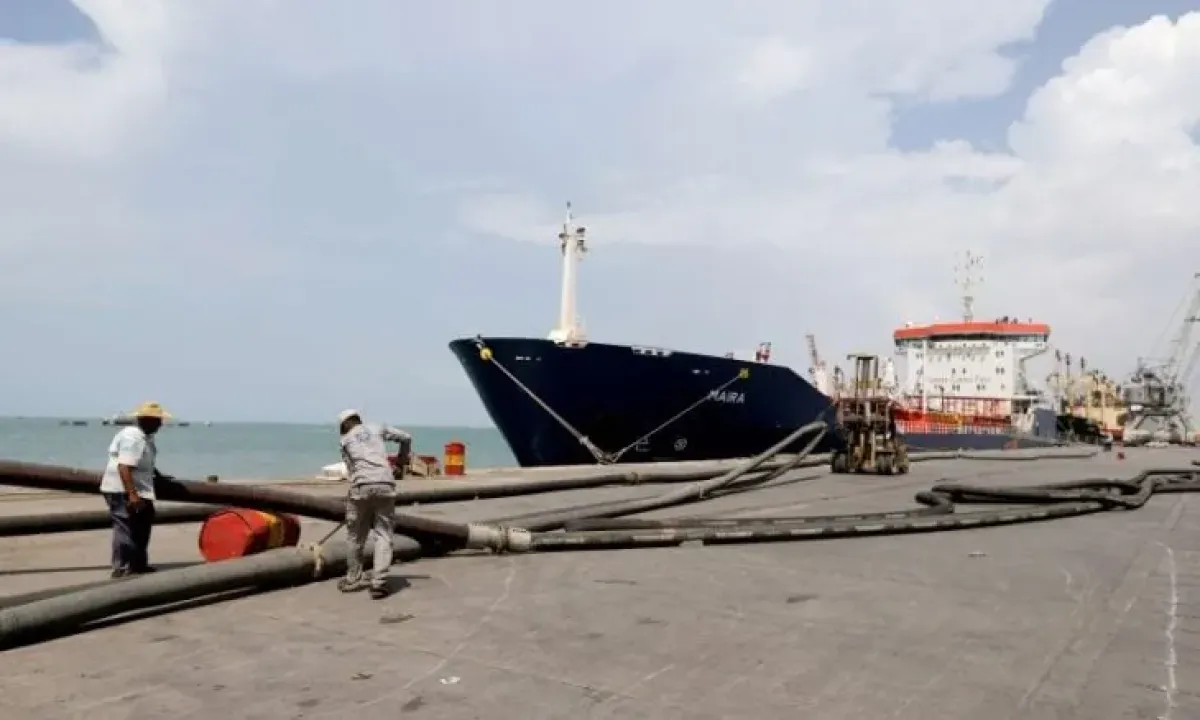
Amidst the persistent crisis, local calls in Hadramout are mounting to import gas externally via the Brom Gas facility on the Arabian Sea coast. This facility is deemed capable of receiving gas tankers and meeting the substantial needs of the liberated provinces. Local officials and activists advocate for activating this facility, leveraging its strategic location to alleviate pressure on current supply sources and reduce dependence on limited, insufficient routes. They emphasize that utilizing the Brom port for gas imports could serve as a national outlet, securing supplies for various liberated provinces and mitigating recurring gas shortages and price hikes.
Public anger continues to simmer in the liberated provinces as the gas crisis persists. Citizens believe temporary fixes are inadequate, demanding a comprehensive reform of production, distribution, and oversight systems, along with accountability for those manipulating the market and ensuring the availability of gas at reasonable prices. As citizens endure hardships queuing for gas, fundamental questions remain regarding the persistence of this shortage, given available sources, and why residents are paying the price for administrative failures, corruption, and smuggling when liberated provinces desperately need swift solutions to restore confidence and alleviate burdens.