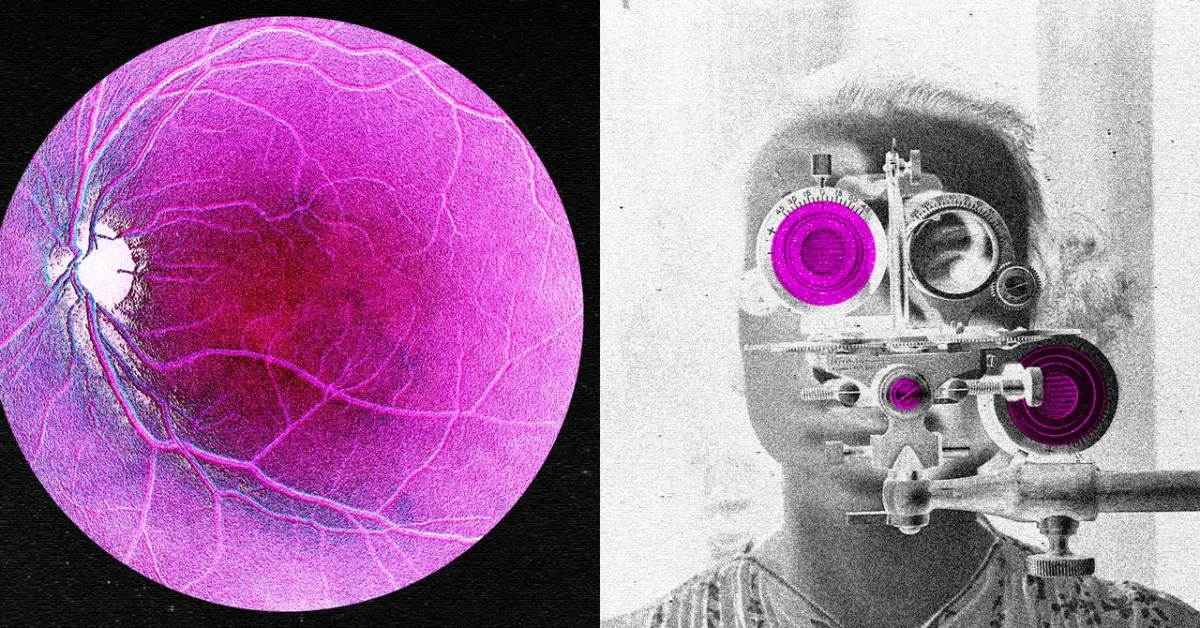
Longevity startup Life Biosciences has administered its experimental drug ER-100 to its first human patient, aiming to reverse vision loss caused by aging.
The company is now evaluating the drug's safety and potential side effects in a clinical trial involving approximately 18 adults over the next year. ER-100 is designed to rejuvenate crucial cells in the optic nerve, which are damaged in conditions like glaucoma and NAION, and are responsible for transmitting visual information to the brain.
According to Life Biosciences co-founder David Sinclair, who is also a genetics professor at Harvard Medical School, this marks the first time a cellular rejuvenation therapy utilizing this specific technology has received FDA clearance for human clinical trials. This milestone provides the first real-world test of whether the technology can effectively treat human diseases.
Longevity science hinges on understanding how cellular functions degrade over time. ER-100 is generating significant buzz in the biotech community due to its potential to reverse cellular aging. Life Biosciences, headquartered in Boston, is also exploring its technology's applications for other age-related conditions, such as fatty liver disease.
“Our research suggests that aging is largely driven by the loss of epigenetic information, rather than irreversible damage. This clinical study offers the first chance to see if restoring that information can actually improve human disease,” Sinclair stated.