Major global powers, including Russia and the United States, have demonstrated a tendency to misinterpret the resilience of ostensibly weaker nations, leading to protracted conflicts where military objectives have not been achieved on the battlefield. Leaders in these situations often resort to diplomatic negotiations to achieve capitulation, a strategy that has proven ineffective against determined resistance.
This dynamic is currently evident in the conflicts involving Ukraine and Iran. Both nations have adopted increasingly defiant stances against what they perceive as an assertion of dominance by more powerful states.
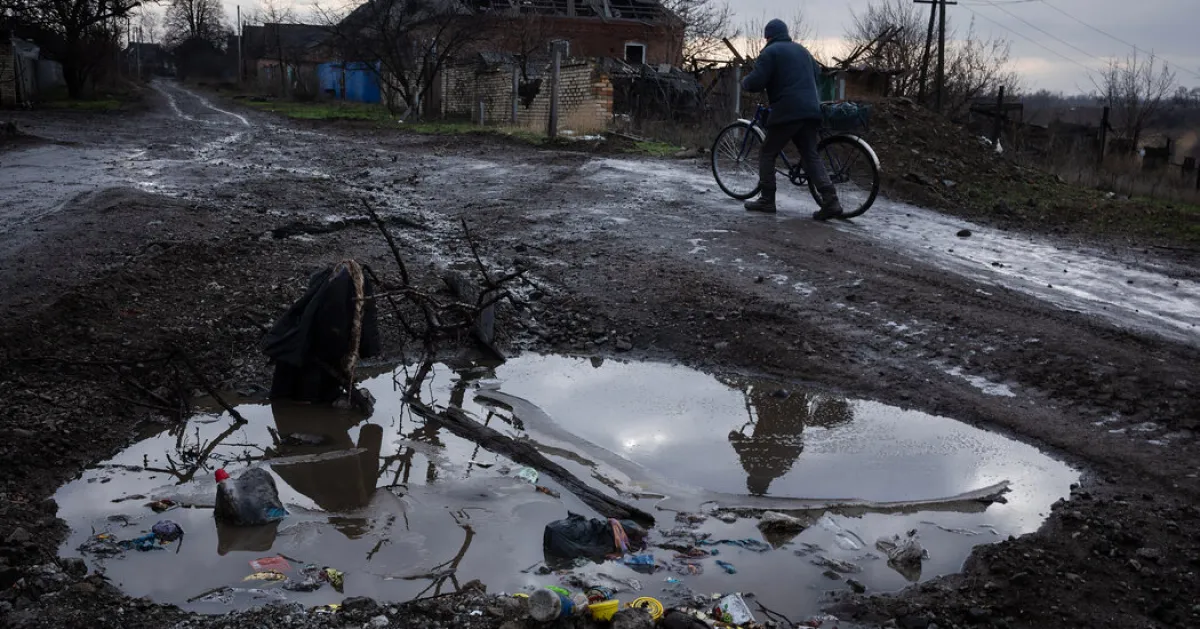
Ukrainian President Volodymyr Zelensky recently addressed Russian President Vladimir Putin in an open letter, criticizing his leadership and highlighting Putin's miscalculation of Ukraine's capacity for resistance. Zelensky's message suggested that Putin did not anticipate the scale of opposition or the current protracted nature of the conflict.
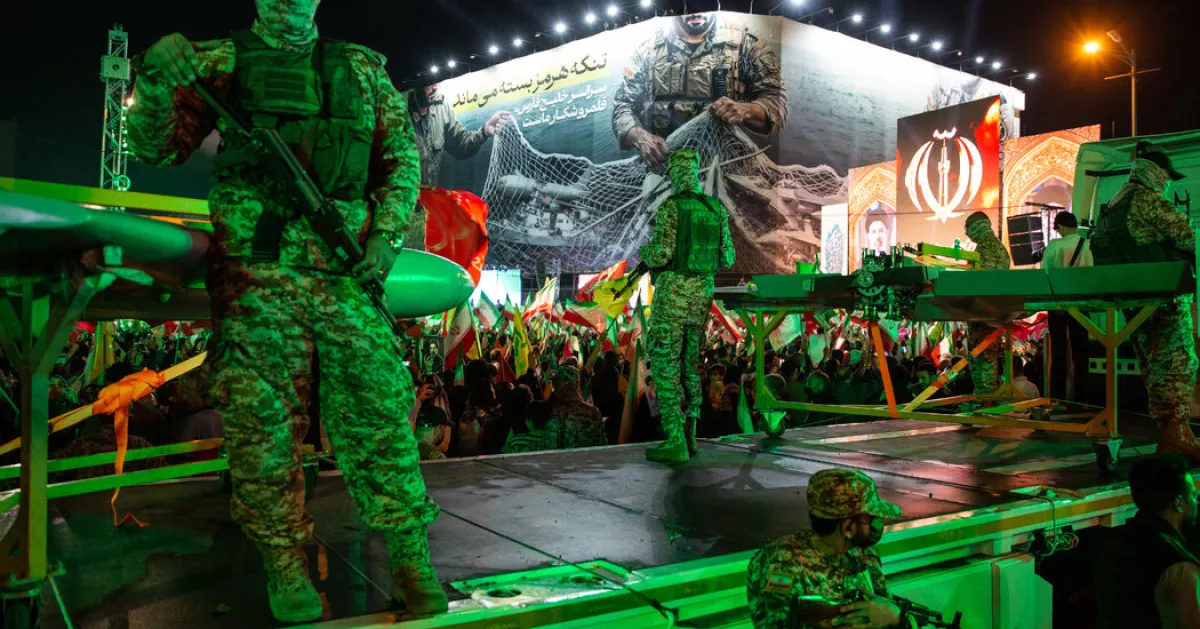
Similarly, following a missile barrage against Israel, Mohammad Bagher Ghalibaf, Iran's Parliament speaker and chief negotiator, issued a stern warning. He stated on X that Iran's retaliatory actions would continue until a genuine commitment to restoring trust was demonstrated.
The persistent recalcitrance observed in these geopolitical arenas reflects the reality of ongoing wars in a state of stasis. A profound lack of trust among the involved parties is demonstrably hindering any significant progress toward resolution.