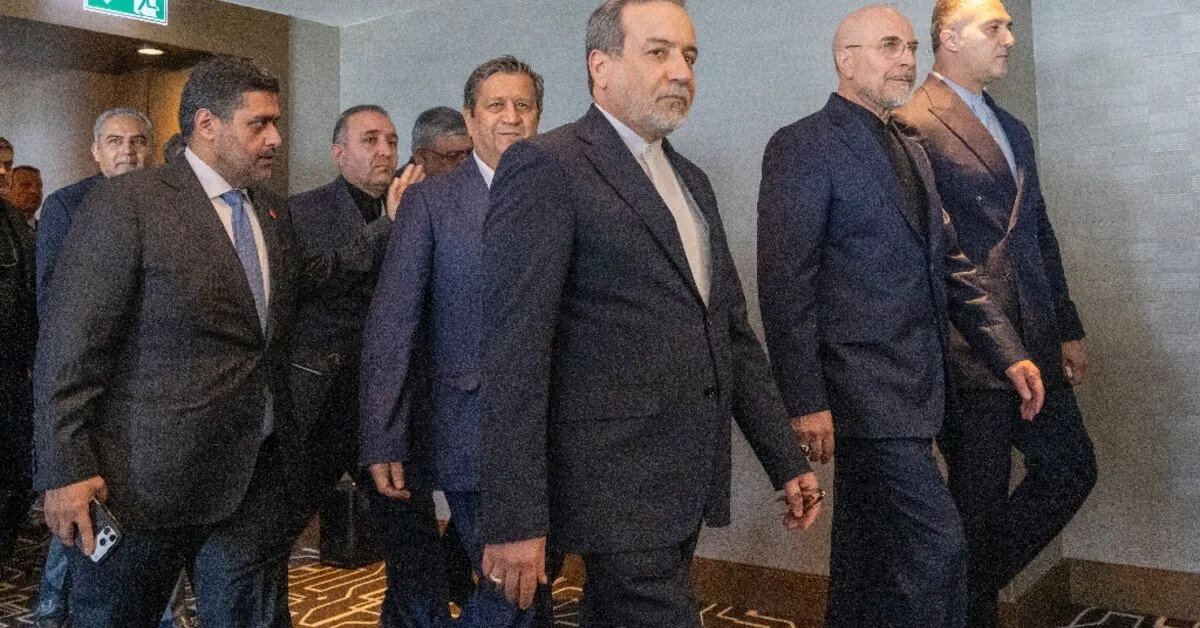
Analysts suggest that while divisions and opposition to talks with the United States exist within Iran's leadership, these internal splits are unlikely to derail the ongoing negotiation process for a final agreement.
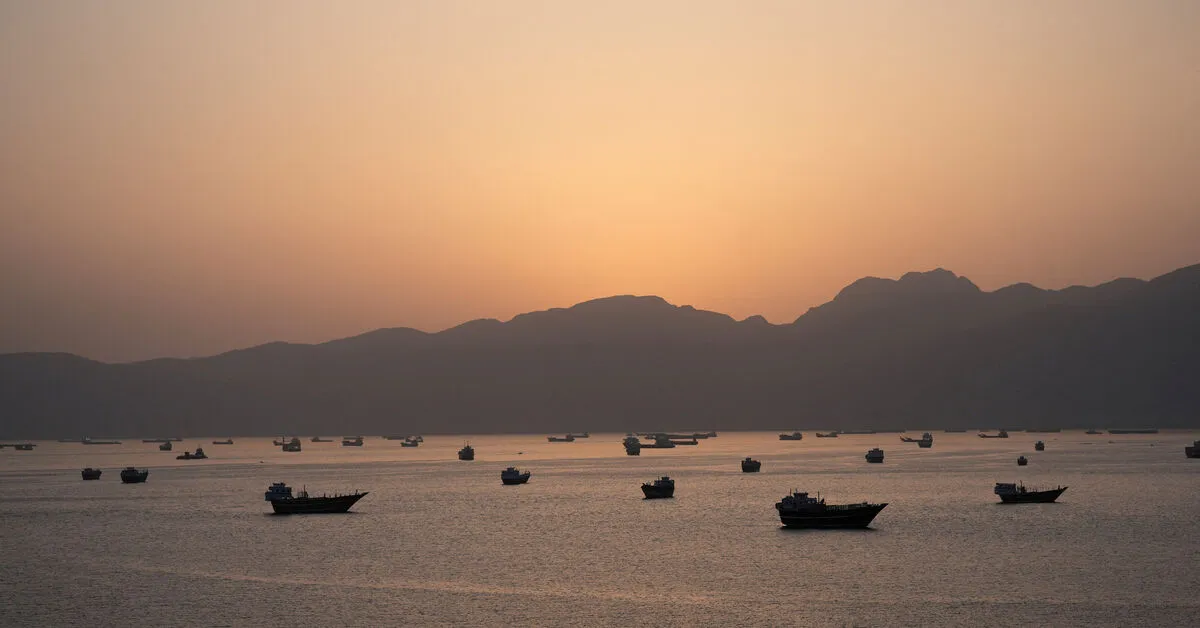
Following a ceasefire and a recently concluded accord, US Vice President JD Vance and Iran's chief negotiator Mohammad Bagher Ghalibaf engaged in talks in Switzerland, mediated by Qatar and Pakistan. These discussions aim to lay the groundwork for a comprehensive agreement. However, the path forward remains complex, with Iran mindful of its economic leverage through control of the Strait of Hormuz, and US President Donald Trump having previously threatened military action if negotiations falter.
Despite domestic criticism of the deal from some conservatives, internal dissent has also surfaced in Tehran regarding the talks with the US, a nation historically referred to as the "Great Satan" since the 1979 Islamic Revolution. Arash Azizi, a lecturer at Yale University, acknowledged the existence of factions strongly opposed to the negotiations and any compromises with the US, but assessed that they currently lack the institutional power to obstruct or significantly influence the outcome.
A small, unusual protest against the talks occurred outside the Iranian foreign ministry in Mashhad, with demonstrators expressing opposition to Ghalibaf and Foreign Minister Abbas Araghchi. Supreme Leader Ayatollah Mojtaba Khamenei, who has not been seen publicly since his father's death in an Israeli airstrike early in the recent war, reportedly approved the deal, stating he awaited "face-to-face" talks despite holding a "different view." Ghalibaf countered criticisms by asserting that proceeding with the talks was essential to prevent further bloodshed in Lebanon.
Sanam Vakil, Director of the Middle East and North Africa Programme at Chatham House, believes that hardliners do not currently hold the upper hand in Iran, observing a prevailing consensus to explore negotiations and assess President Trump's willingness to reach a deal. In a sign of broader support, even within security forces, Esmail Qaani, head of the Revolutionary Guards' Quds Force, praised Araghchi and Ghalibaf, framing their negotiating efforts as part of a unified "resistance" alongside military personnel.
During the G7 summit, President Trump unexpectedly praised the Iranian leadership as "smart" and "very rational." Vance echoed this sentiment, suggesting that Iran's "pragmatists," who seek to transform the nation's relationship with the world, are gaining influence. Iranian negotiators have emphasized their commitment to protecting national interests, drawing parallels to the resilience of their national football team. While acknowledging the deep-seated nature of anti-American sentiment, Azizi suggested that newer leaders might be less ideological than their predecessors, potentially leading to a transformation of the regime, though this process is expected to be lengthy and uncertain. Vakil noted that while hardliners exist in both Iran and the US, they appear to be more readily silenced within the Iranian system.