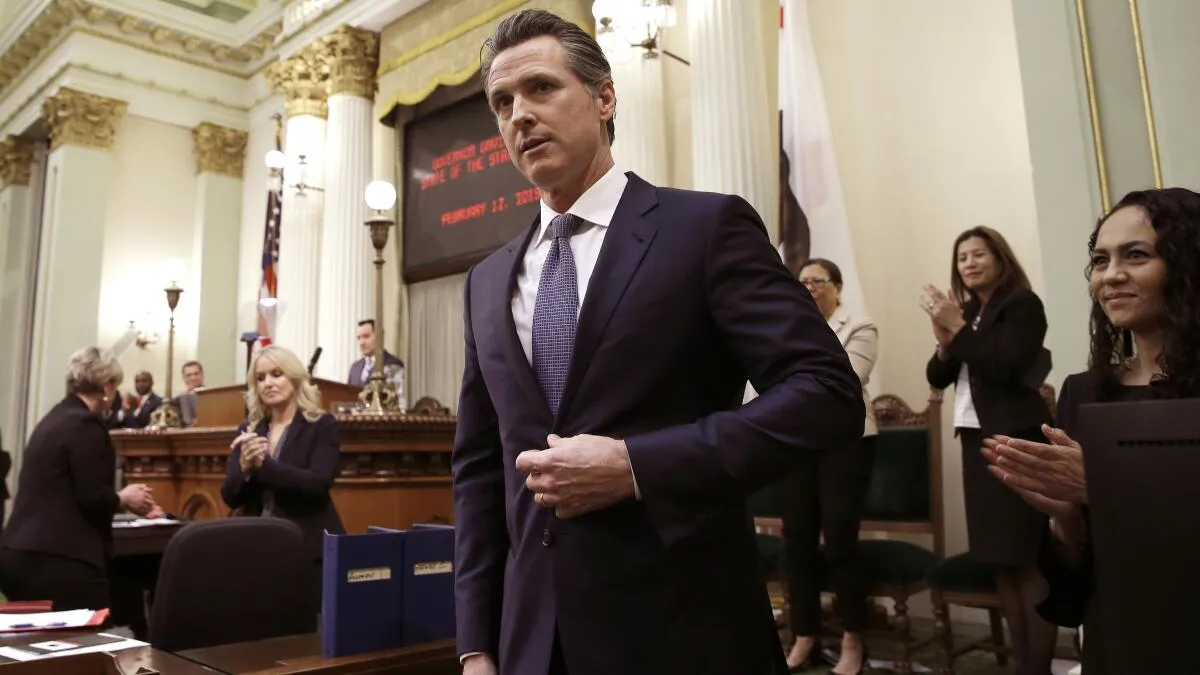
Governor Gavin Newsom has signed California's final state budget for his tenure, a $351.7 billion spending plan prioritizing social programs and aiming to support low-income residents through a tax system influenced by the wealth of high-income earners. The budget, effective July 1, reflects a significant expansion of state government and spending over the past eight years.
In a video address, Governor Newsom highlighted achievements such as universal transitional kindergarten, free school meals, and 130,000 subsidized childcare slots. He asserted that these initiatives were accomplished without financial overreach, stating, "We did this by design." The budget negotiations concluded after weeks of intense lobbying and deliberation among lawmakers and the governor concerning the allocation of increased income tax revenue derived from stock market gains, particularly those associated with artificial intelligence.
The budget's framework, largely determined by the Democratic majority in the state legislature, was approved through majority votes in both the Senate and the Assembly. This process involved extensive legislative hearings, significant lobbying efforts by various interest groups, and negotiations between legislative leaders and the governor. Ultimately, the final agreement on the spending plan's details is reached through consultations between Senate President Pro Tem Monique Limón, Assembly Speaker Robert Rivas, and Governor Newsom, with considerable input from their respective staff and consultation with union leaders and business groups.
Analysis from the nonpartisan Legislative Analyst's Office indicates a substantial increase in state spending since 2019-20, with the main operating fund growing by over $100 billion, or 70%. This growth is largely attributed to a 60% revenue increase during the same period, driven by factors including higher tax collections from capital gains. While economists have cautioned that this revenue surge may be temporary and that increased spending could strain the state's finances during economic downturns, some Republican lawmakers expressed concerns about the long-term fiscal sustainability of the budget, fearing a pattern of spending without adequate justification.
The largest expenditures in the budget are allocated to Education and Medi-Cal. Medi-Cal, California's program for low-income residents, provides comprehensive health services to approximately 14.5 million individuals. The state is projected to allocate around $50 billion from its general fund for Medi-Cal next year, with significant federal contributions also supporting the program. Spending on Medi-Cal has more than doubled in the last decade due to rising costs per enrollee, an increasing number of beneficiaries, and a greater demand for services from seniors. Governor Newsom's administration has expanded Medi-Cal coverage, including to all immigrants regardless of status, contributing to a decrease in the state's uninsured rate.
The budget also addresses educational funding, including a $2.2 billion increase for the Local Control Funding Formula and a historic per-pupil spending of $21,148. Significant investments have also been made in special education, with an additional $1.8 billion allocated. The California Community Schools Partnership Program received a $1 billion boost, and the program providing free school meals for children was granted an additional $2.8 million. Furthermore, the budget establishes 22,770 new slots for free or reduced-price childcare, countering a previous proposal to reduce such offerings.