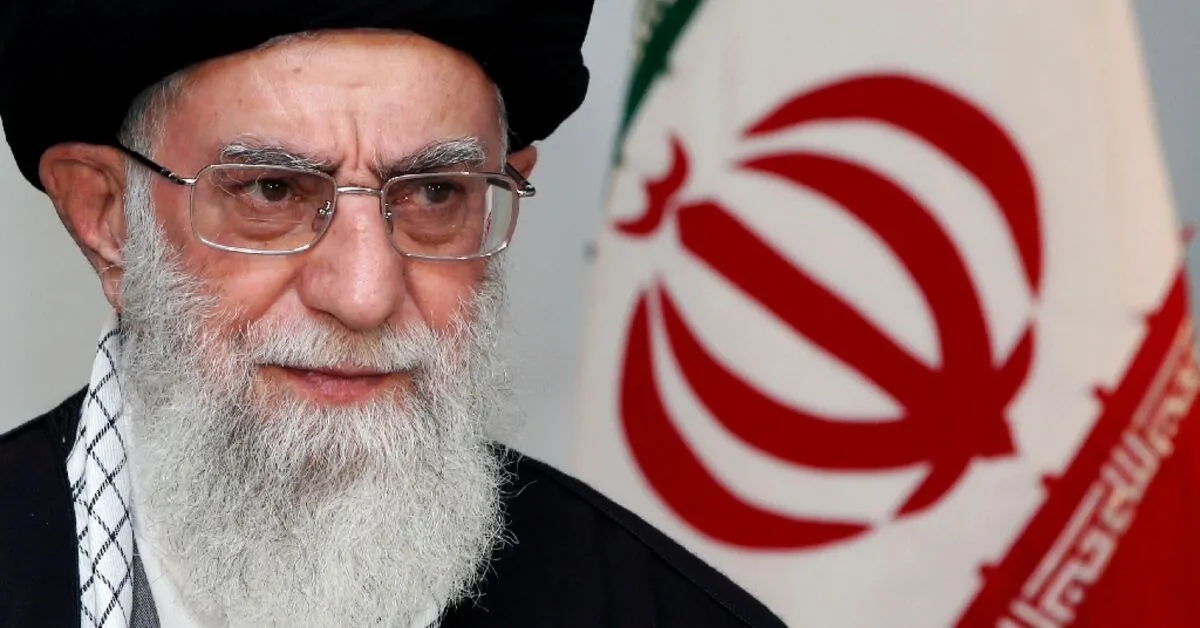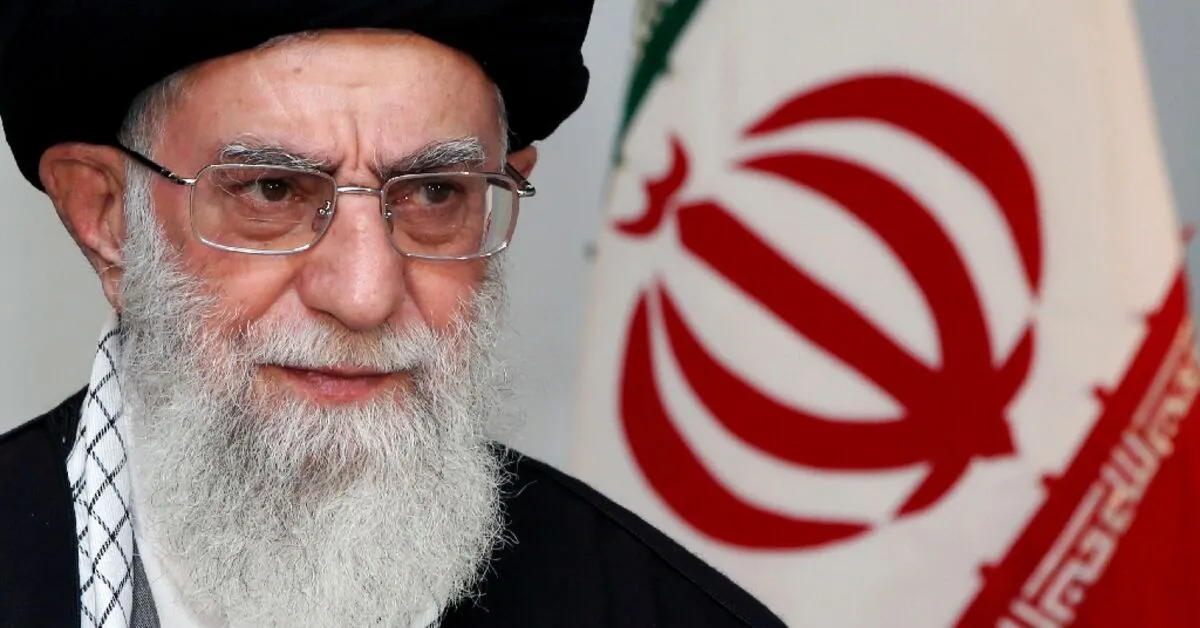
Iranians began gathering on Friday for the funeral ceremonies of Supreme Leader Ali Khamenei, who was killed on February 28. Officials and international dignitaries are paying their respects to the leader who governed the Islamic Republic for three and a half decades.
Authorities have planned an extensive six-day funeral period. Khamenei, who held the top position from 1989 until his death at age 86, was killed during the initial phase of the US-Israeli conflict. The funeral period is seen by Iranian officials as an opportunity to project strength following the conflict, which is currently on hold after an initial accord between Iran and the United States.
Hundreds of supporters were present outside the Grand Mosalla religious complex in Tehran on Friday evening, awaiting public access the following morning. "We want to say a final goodbye to our leader, which is why waiting like this isn't painful or difficult for us," stated Somayye Hamedi to AFP while waiting. Khamenei's coffin, draped in the Islamic Republic's flag with his black turban placed atop, had been brought into the complex earlier.
Top Iranian officials, including Ahmad Vahidi, who assumed leadership of the Revolutionary Guards after his predecessor's death in the same strikes, paid their respects. However, Khamenei's son and successor, Mojtaba Khamenei, who was named supreme leader a week after his father's killing, had not yet appeared publicly. His absence is notable, as he has communicated solely through written statements and is rumored to have been wounded in the strikes.
The coffin will lie in state until Monday, followed by a procession through Tehran. It will then move to Qom on Tuesday, then to Shia holy cities in neighboring Iraq on Wednesday, before its final burial on Thursday in Khamenei's hometown of Mashhad. Parliament speaker Mohammad Bagher Ghalibaf, who was visibly emotional, called for a large turnout, stating, "The nation's call for vengeance must ring in the ears of the whole world." Army chief Amir Hatami vowed that "Israel and the US will pay for the blood of the martyred leader and all the nation's martyrs."
International attendees included Pakistani Prime Minister Shehbaz Sharif and Russian ex-president Dmitry Medvedev, representing President Vladimir Putin. Representatives from groups supported by Iran, such as Hamas Shura advisory council leader Mohammed Darwish, and relatives of former Hezbollah leader Hassan Nasrallah, were also present.
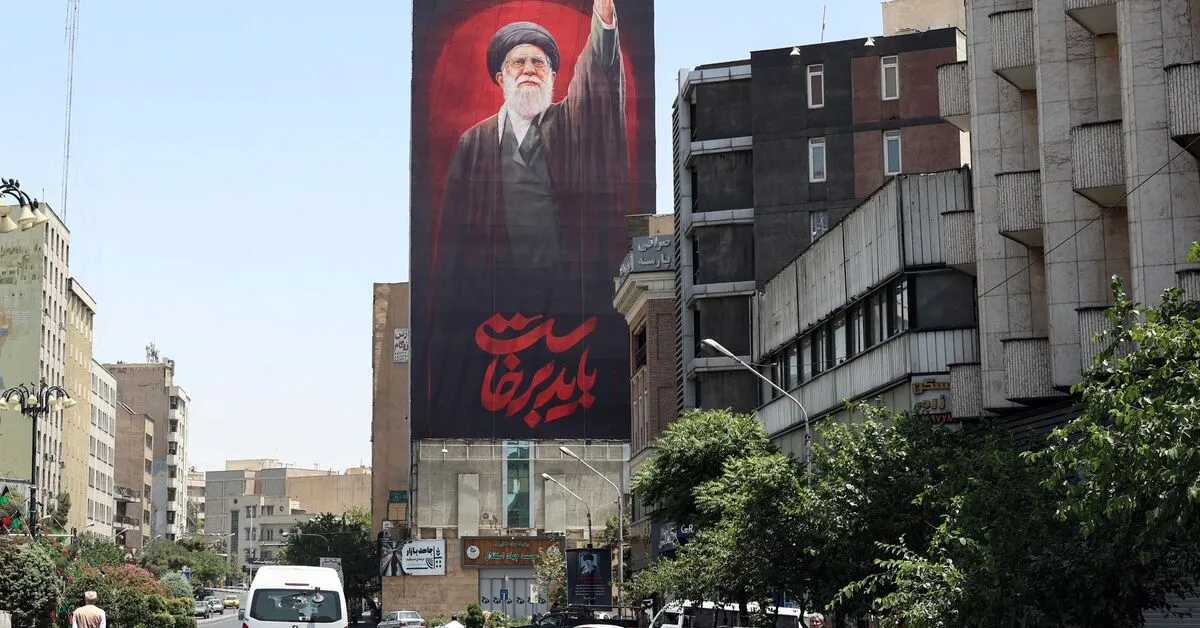
Security has been heightened across Tehran, with riot police deployed and roads closed. Authorities are implementing measures to prevent potential crowd crushes, a concern given past incidents. Temperatures are expected to exceed 35 degrees Celsius in Tehran, leading to the deployment of tankers to spray water on roads to cool participants. Reports indicate Tehran is quieter than usual, with some residents reportedly leaving the city.