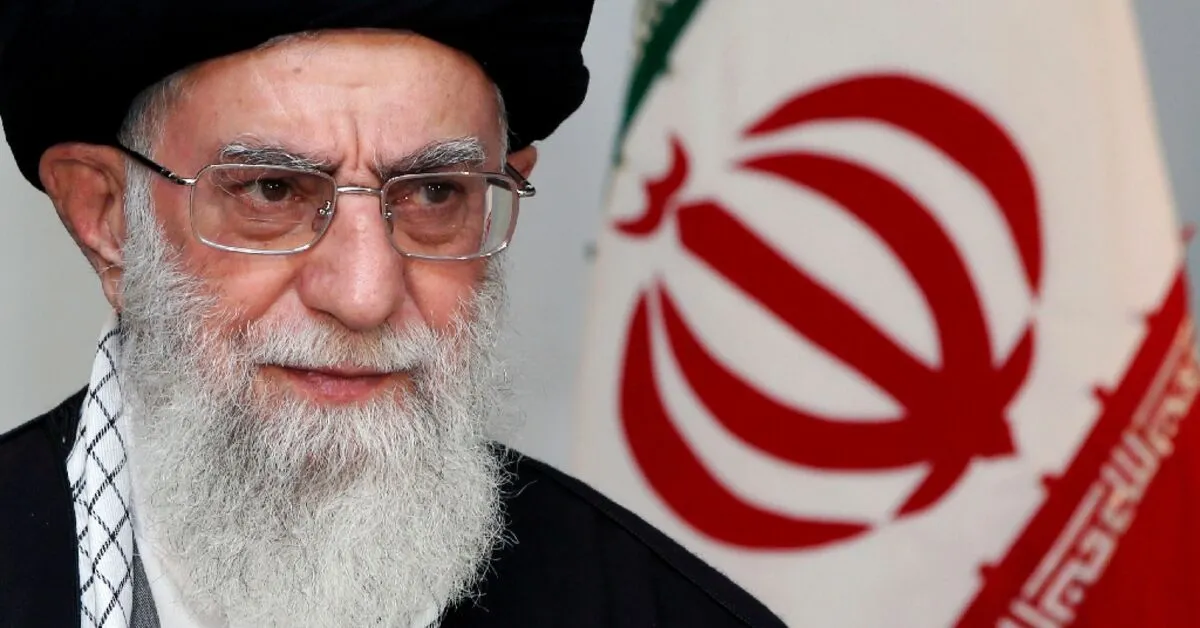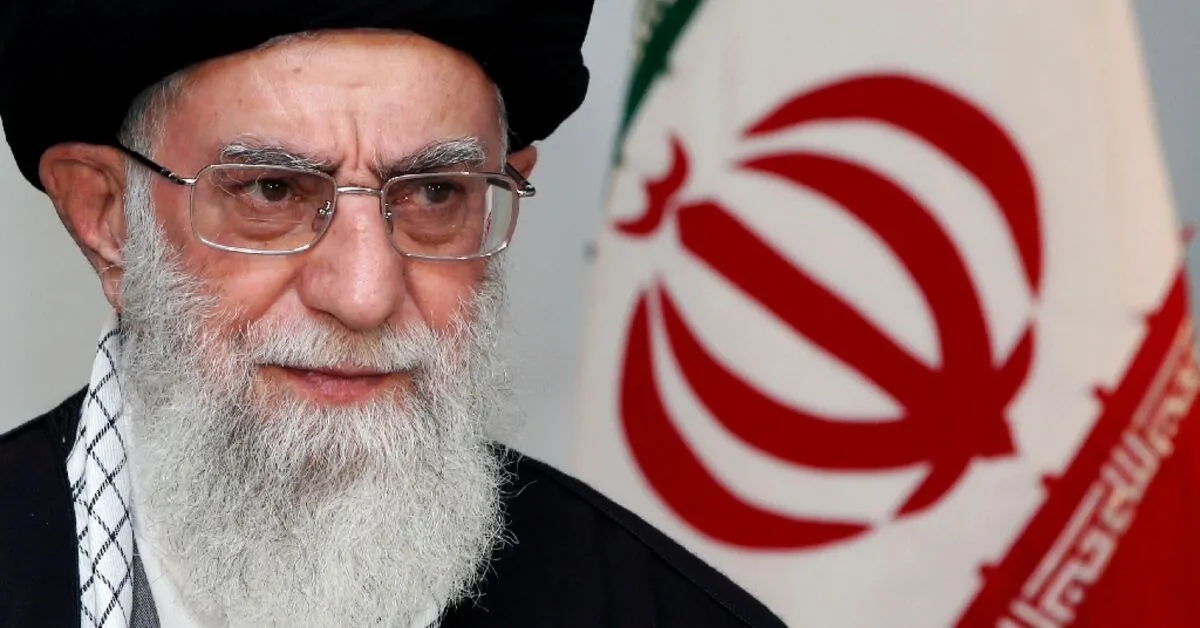
Funeral ceremonies for Iran's Supreme Leader Ali Khamenei officially commenced on Saturday, drawing vast crowds and signaling a show of strength for the Islamic Republic. Iranian authorities anticipate between 15 and 20 million participants in Tehran alone over the next three days to pay tribute to Khamenei, who led the nation for over three decades.
Six days of commemorative events are planned for Khamenei, who held the country's highest office from 1989 until his death at the age of 86 on February 28, during the initial phase of the US-Israeli conflict with Iran. These ceremonies are expected to attract significant international attention, particularly for any indication of Khamenei's son and successor, Mojtaba Khamenei. Mojtaba was named Supreme Leader a week after his father's demise but has not yet made a public appearance.
Thousands of mourners, many carrying red banners symbolizing vengeance, converged at Tehran's Grand Mosalla religious complex, awaiting the arrival of Khamenei's coffin. Chants of "death to America" and "revenge, revenge" resonated throughout the venue, with some attendees walking several kilometers to reach the site. Significant security measures have been implemented, including road closures and anticipated airspace restrictions for what is projected to be the largest public event in Iran since the 1989 funeral of Khamenei's predecessor, Ruhollah Khomeini.
The coffin is scheduled to lie in state until Monday, followed by a procession through Tehran. The ceremonies will then proceed to the clerical city of Qom on Tuesday, and subsequently to Shia holy sites in neighboring Iraq before Khamenei's burial on Thursday in his hometown of Mashhad. Officials who survived the recent conflict expressed their grief and projected a united front. Prominent figures present included Parliament Speaker Mohammad Bagher Ghalibaf and Ahmad Vahidi, who was appointed chief of the Revolutionary Guards following the death of his predecessor in the same strikes that claimed Khamenei's life.
The coming days will be closely monitored for any signs from Mojtaba Khamenei, who has communicated solely through written statements and is reported to have been injured in the strikes that killed his father, though the extent of his injuries remains unclear. Other relatives also killed in the strikes, including Khamenei's infant granddaughter, will be interred. International dignitaries attending on Friday included Pakistani Prime Minister Shehbaz Sharif, representing a nation mediating between Iran and the US, and former Russian President Dmitry Medvedev, who attended on behalf of President Vladimir Putin. Representatives from Hamas, Hezbollah, and the Taliban government were also present.
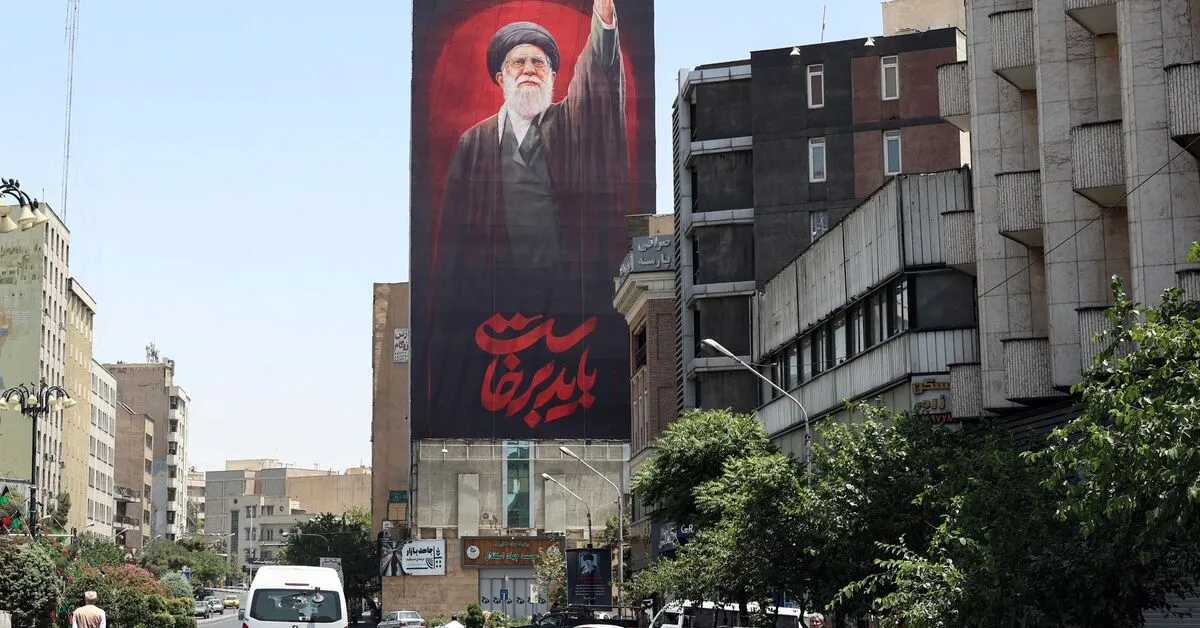
Following a five-week conflict period that has since been paused by an initial accord between Iran and the US, Iranian officials have cautioned that Tehran remains prepared to resume hostilities if necessary. Ghalibaf urged Iranians to participate in large numbers, stating, "The nation's call for vengeance must ring in the ears of the whole world." Army Chief Amir Hatami vowed that Israel and the US "will pay for the blood of the martyred leader and all the nation's martyrs." Authorities are also focused on ensuring the smooth progression of the event, mindful of the risks of crowd crushes that have previously marred similar gatherings, with broadcast guidelines issued for public safety. With temperatures expected to exceed 35 degrees Celsius in Tehran, water tankers have been deployed to cool attendees. Ahead of the ceremonies, Tehran appeared notably quieter than usual, with many main streets experiencing significantly reduced traffic.