FIFA has controversially suspended a one-game red card ban for USMNT forward Folarin Balogun, clearing him to play against Belgium. The decision, made under Article 27 of the FIFA Disciplinary Code, allows for a suspended sentence, a move that has shocked the football world.
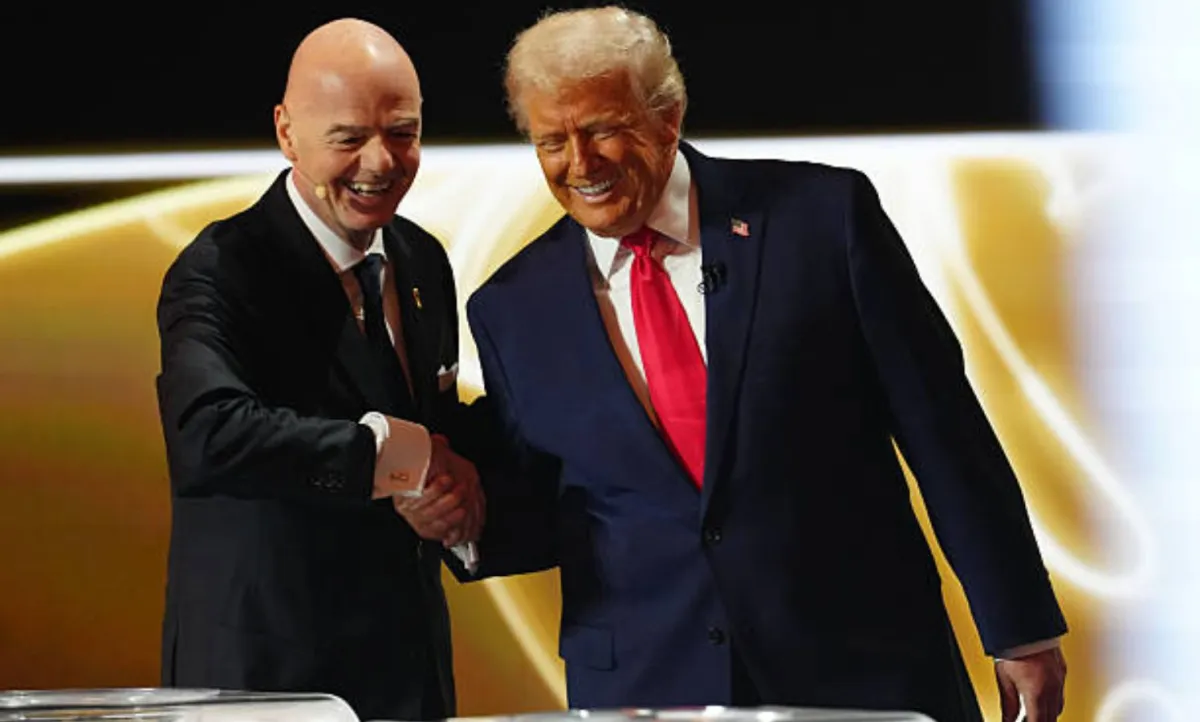
The disciplinary panel's decision came as a surprise, especially after Balogun himself had accepted the suspension. Reports suggest a direct intervention from the White House, with Washington reportedly calling FIFA President Gianni Infantino to request a review of the booking. FIFA has publicly deflected these claims, attributing the decision to its independent disciplinary committee, while sources within the governing body deny any political influence.
This isn't the first time FIFA has utilized Article 27 to alter suspensions for high-profile players. The decision echoes Cristiano Ronaldo's previously suspended three-game ban, a move that drew accusations of favoritism and concerns about prioritizing star power over sporting integrity.
The Balogun ruling adds to a string of controversial incidents defining this World Cup. These include the suspension of Ronaldo's ban, perceived officiating inconsistencies that have favored top nations, and the difficult treatment of the Iranian team, which faced geopolitical tensions and logistical challenges impacting their performance and tournament exit.
Further controversy surrounds Iran's elimination, which was decided by a 3-3 draw between Austria and Algeria. Social media exploded with accusations of match-fixing, fueled by Riyad Mahrez's post-match comments, leading to demands for a FIFA investigation from furious Iranian supporters.