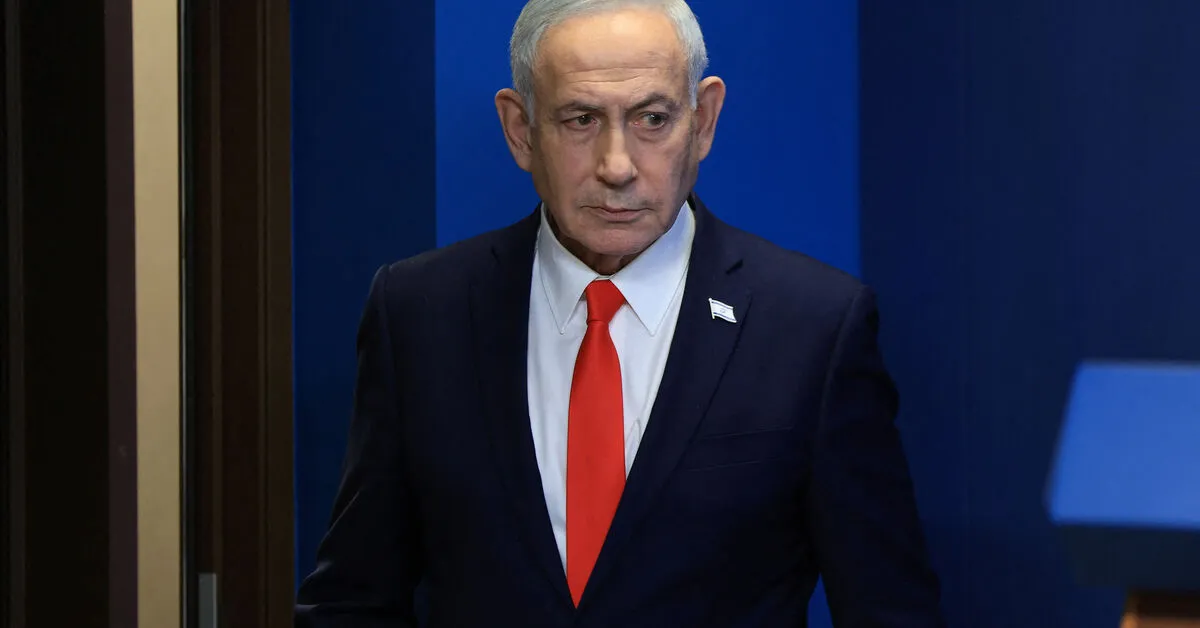
Israeli cabinet members have voted to defy a Supreme Court ruling concerning the country's broadcast regulator, prompting concerns of a significant constitutional crisis. This marks the first instance of Prime Minister Benjamin Netanyahu's government openly disregarding a Supreme Court decision, though the administration has previously exhibited friction with the judiciary.
The dispute centers on the Second Authority for Television and Radio, which Israeli law requires to maintain a minimum number of members to conduct official business. The government contends that the council no longer meets this threshold, rendering it incapable of approving appointments or undertaking other actions. However, the Supreme Court ordered the council to continue its operations regardless, a directive the cabinet has now chosen to reject.
Communications Minister Shlomo Karhi and Justice Minister Yariv Levin announced that the cabinet unanimously voted to reject the court's ruling. They stated that the government would not recognize any decisions or actions by the council until its membership meets the legal requirements. Karhi criticized the court, asserting that judges do not possess the authority of Parliament and that any future decisions by the media regulator would be rendered "worthless." Levin echoed this sentiment, emphasizing that the court must abide by laws enacted by Parliament.
Opposition leaders have strongly condemned the cabinet's decision. Opposition leader Yair Lapid described the government as having "turned criminal" and declared it "the most serious constitutional crisis in Israel’s history," warning of the "destruction of the foundations of our democracy." Former Prime Minister Naftali Bennett also expressed apprehension, stating that defying court rulings leads to "anarchy in the streets and the disintegration of our country." Legal experts have likewise voiced worries about a constitutional crisis.
The cabinet's defiance could have implications for the potential approval of the sale of Israel's Channel 13, a prominent commercial television network critical of Netanyahu, and may also influence the regulatory status of Channel 14, a right-wing network supportive of Netanyahu.