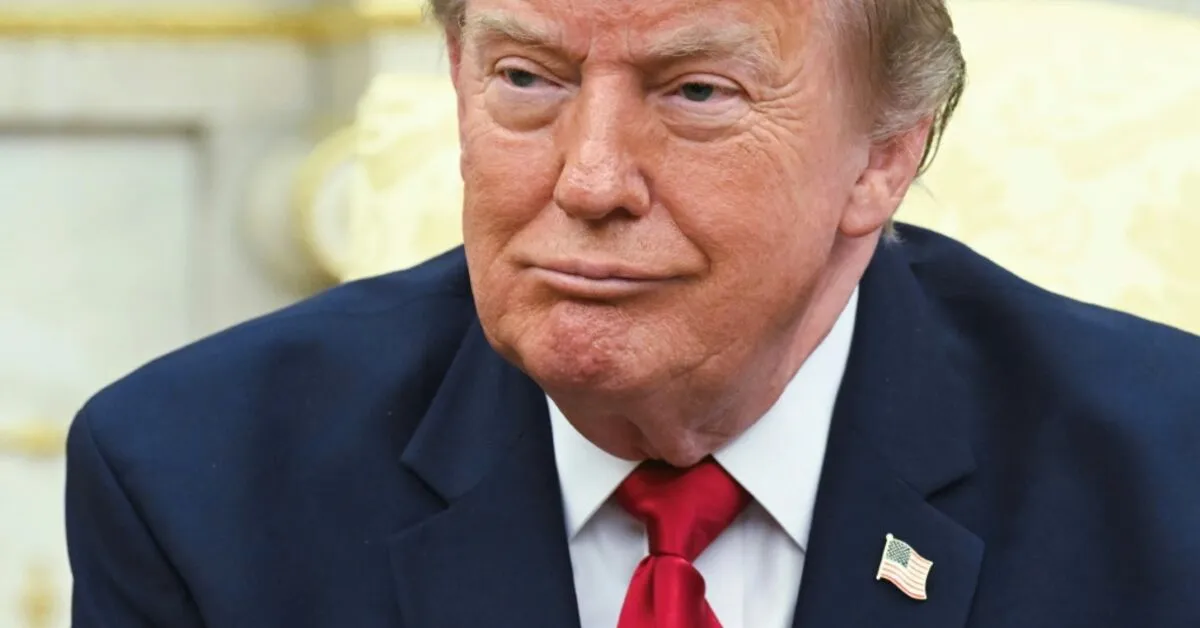
President Donald Trump announced Tuesday he is abandoning a planned 20 percent levy on ships transiting the Strait of Hormuz, opting instead to secure compensation from Gulf allies through trade and investment agreements.
The abrupt reversal came just one day after the announcement of the levy, which was intended to reimburse the United States for its role in protecting the strategic waterway. President Trump stated that “highly productive conversations with Middle East leadership” led to the decision to replace the reimbursement fee with new deals involving Gulf states investing in the United States.
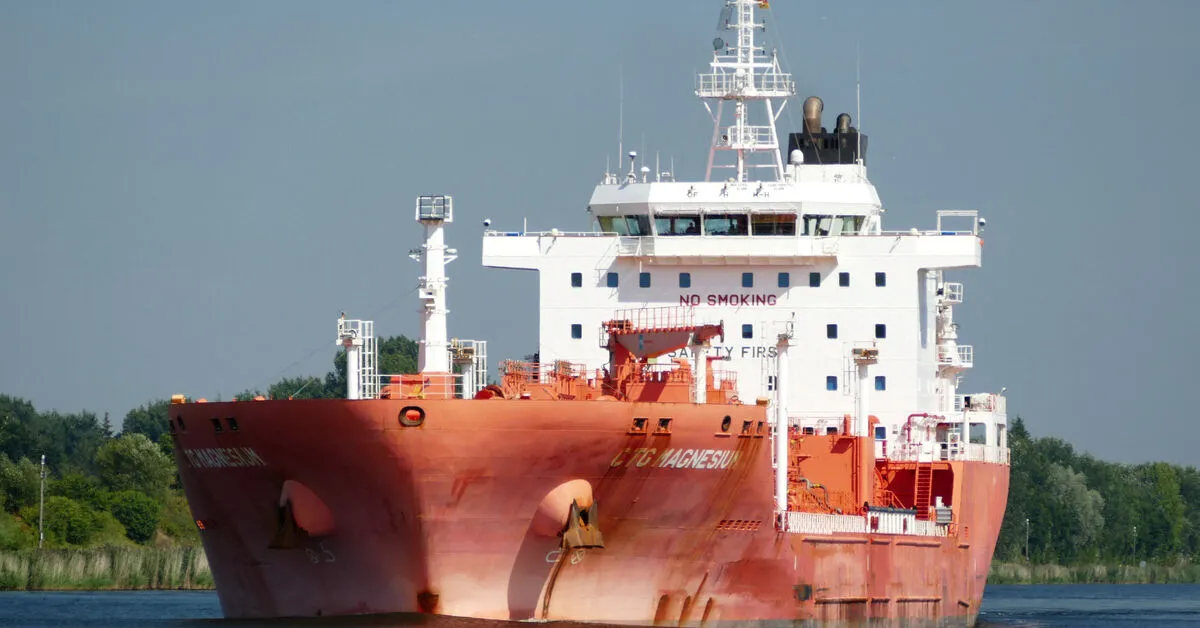
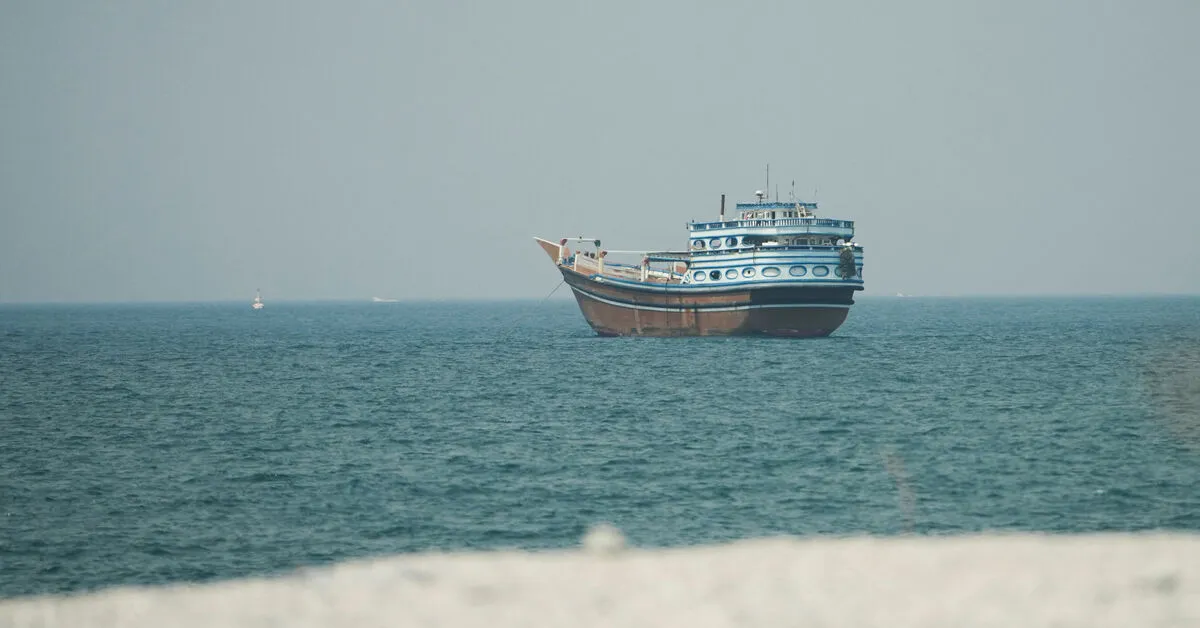
Trump indicated that a "FULL Blockade" on ships destined for or departing from Iranian ports, or those carrying Iranian cargo, would proceed as scheduled. This measure comes amid heightened tensions surrounding the Strait of Hormuz, a critical global artery for oil and gas. Tehran had previously imposed restrictions on the waterway following attacks by the United States and Israel, with the situation escalating again after a recent breakdown in a ceasefire.
The initial announcement of the toll had caused oil prices to surge and unsettled allies, particularly given that the U.S. had previously criticized Iran for similar proposed fees. However, President Trump explained that following discussions with leaders from Saudi Arabia, the United Arab Emirates, Qatar, Bahrain, and Kuwait, he preferred an alternative approach. He noted that these nations expressed a willingness to invest billions in the U.S., a proposition he found more favorable, emphasizing his belief that no single entity should be able to charge fees for the Strait.
Iran's military command has maintained its position against U.S. interference in the Strait and cautioned regional neighbors against cooperating with Washington. This latest policy shift echoes previous instances where President Trump has altered significant trade announcements, a pattern that has led to market volatility and earned him the informal moniker "Trump Always Chickens Out" among traders.