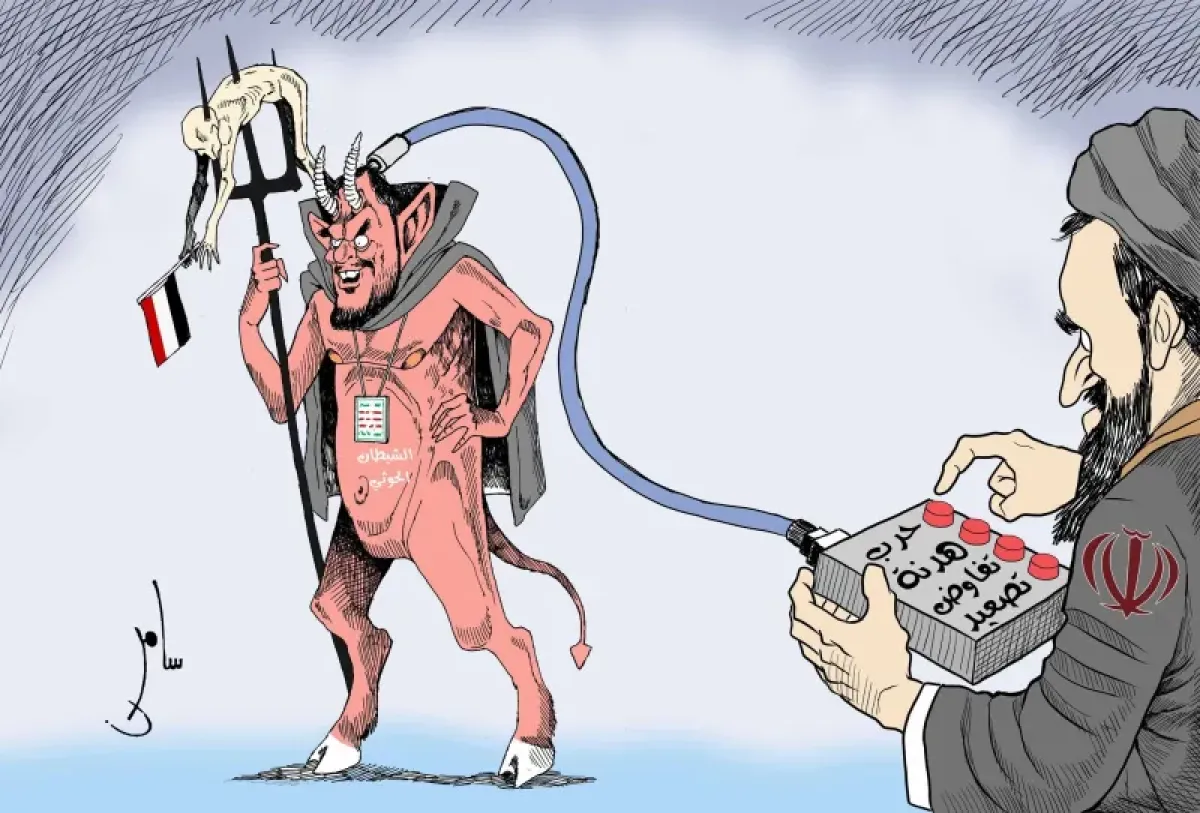
A report by the British newspaper The Telegraph indicates that Iran is orchestrating a collaboration between the Houthi movement in Yemen and the Somali militant group Al-Shabaab, aiming to establish control over the Bab el-Mandeb strait and threaten global maritime trade routes. This initiative is described as a direct extension of Iran's strategy to leverage multiple tools for international coercion and disruption.
The report suggests that Tehran is attempting to replicate its strategic control over the Strait of Hormuz by establishing a similar dominance over the Bab el-Mandeb. The Houthis, identified as Iran's primary military proxy in the region, are central to this plan, enabling Iran to wield influence over two critical maritime chokepoints simultaneously. This capability would significantly enhance Iran's leverage in its confrontations with the United States and Western powers, potentially disrupting the global economy.
According to a source cited by The Telegraph, there is a "deliberate Iranian attempt to control the other side of the Red Sea." This involves the Houthis expanding their influence into the Horn of Africa and coordinating with Al-Shabaab to secure both shores of the Bab el-Mandeb. Such an achievement would grant Iran greater command over one of the world's most vital maritime passages.
Observers believe this development signifies that the Houthi group has evolved beyond its role as an internal Yemeni insurgent movement. It is now seen as a military arm executing regional agendas that extend far beyond the Yemeni conflict. Consequently, the security of international navigation is increasingly dependent on the calculations of Iran's Islamic Revolutionary Guard Corps rather than solely on internal Yemeni dynamics.
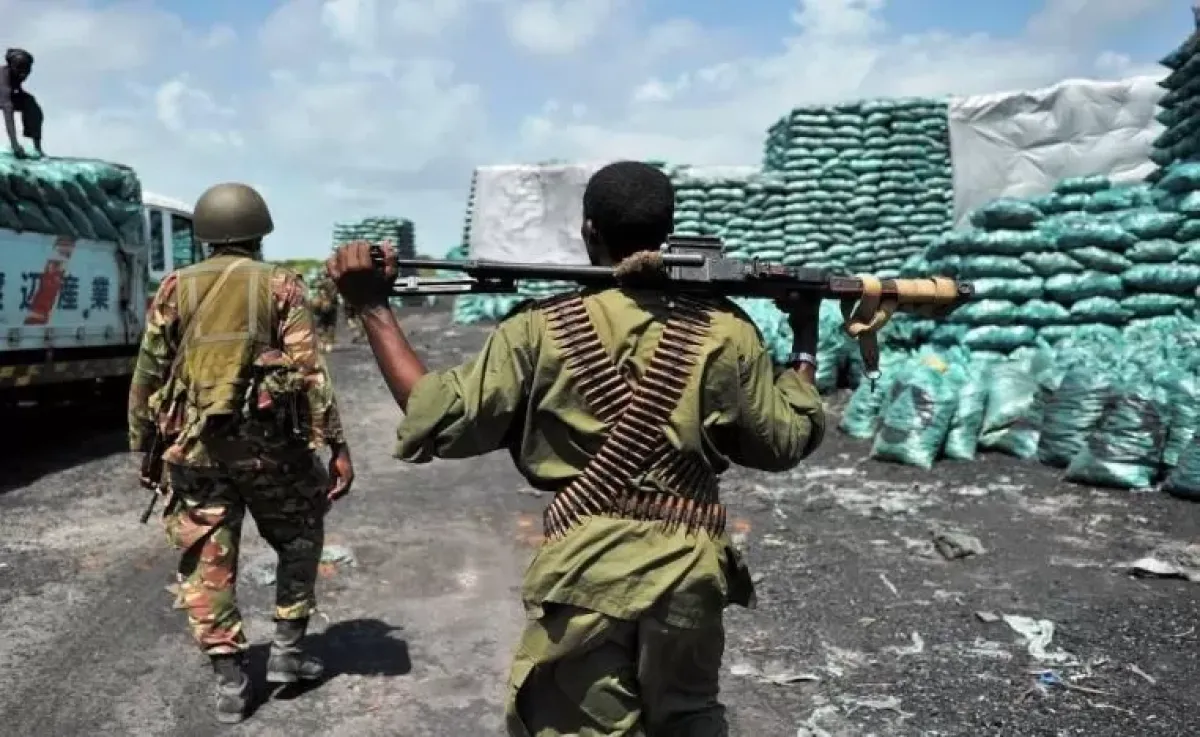
The report further details that the Houthis are transferring Iranian drone technology to Al-Shabaab as part of a security and military cooperation aimed at expanding Iranian influence in the Horn of Africa. This raises serious concerns about the formation of a cross-border military network stretching from the Yemeni coast to the Somali coast.
The Bab el-Mandeb strait is a critical artery for global commerce, facilitating between 10 and 12 percent of annual global maritime trade, as well as substantial volumes of oil and gas exports from the Persian Gulf bound for Europe and North America via the Suez Canal. The Telegraph warns that any successful closure of the strait by the Houthis would trigger widespread disruption in global supply chains, forcing commercial vessels to reroute around the Cape of Good Hope. This would lead to significantly longer transit times, substantial increases in shipping costs, and a rise in the prices of goods and energy worldwide.
The newspaper highlights that the Houthis have previously demonstrated their capacity to threaten international shipping through repeated attacks on commercial vessels in the Red Sea during the Gaza conflict. These attacks compelled major shipping companies to alter their routes, even in the presence of U.S. and international naval forces tasked with protecting waterways.
The report notes that the Houthi movement has become more independent and capable within Iran's "Axis of Resistance," particularly following setbacks experienced by Hezbollah in Lebanon and casualties among Iranian leadership. This relative autonomy has provided the Houthis with greater operational freedom to pursue their own agendas, which, however, align with Iranian interests.
Despite this relative independence, the report asserts that the Houthis' objectives remain intrinsically linked to Iran's overarching strategy. Gaining control of the Bab el-Mandeb offers mutual benefits: it provides Tehran with an additional bargaining chip against the West and enables the Houthis to exert pressure on regional nations, thereby bolstering their military and political influence.
The article suggests that the Houthi group is currently employing a strategy of "strategic patience," refraining from deploying all its assets simultaneously. They are reportedly awaiting a moment when Tehran deems the opening of a Bab el-Mandeb front a political or military necessity. Furthermore, Houthi leader Abdul-Malik al-Houthi has reportedly restructured the group's internal leadership by establishing a "shadow leadership" system, appointing replacements for key figures, including a potential successor. This indicates the group's readiness for a prolonged confrontation.
A military doctrine previously published by the Iranian Fars news agency, closely aligned with the Revolutionary Guard, reportedly identified the Bab el-Mandeb as the second key strait to be closed alongside the Strait of Hormuz in any large-scale conflict. The objective would be to sever supply lines, strangle global trade, and compel adversaries to make political concessions.
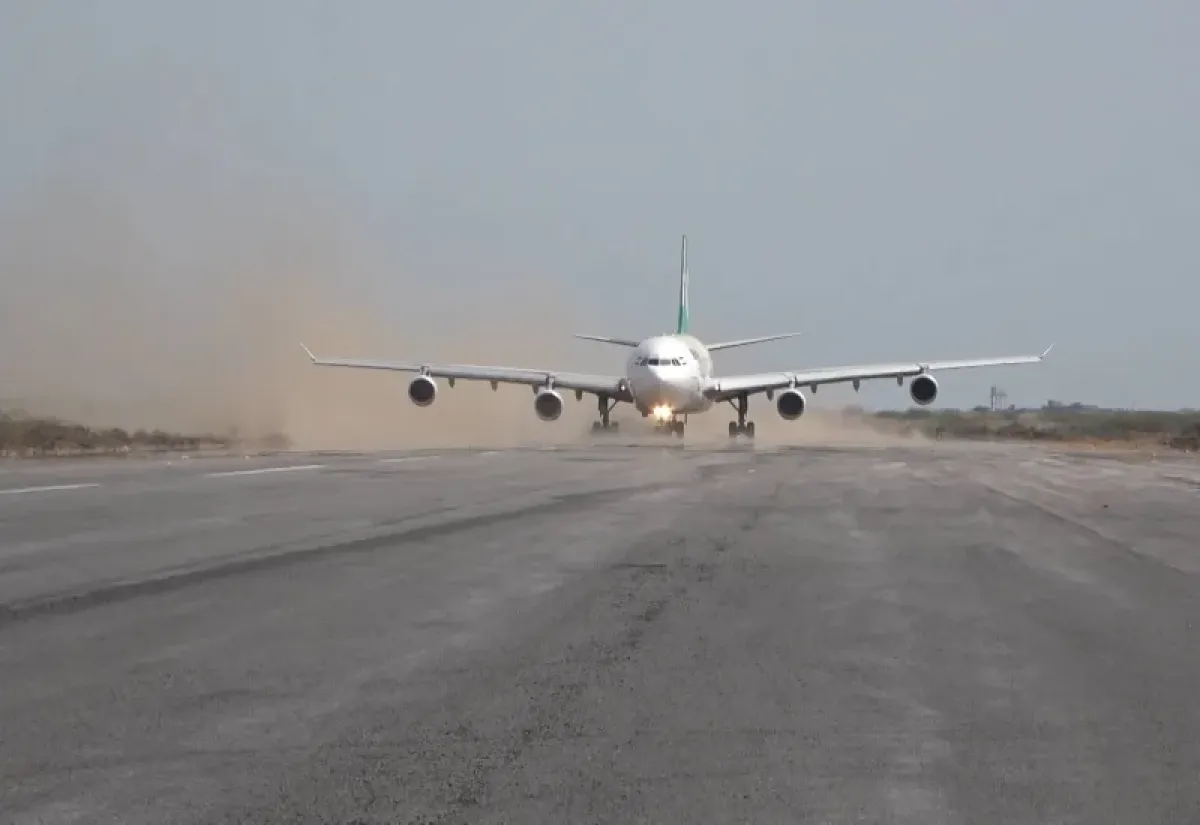
This warning coincides with heightened military tensions in Yemen and the broader region, following an airstrike on Sana'a airport that reportedly targeted an Iranian aircraft. The subsequent Houthi missile launches towards Saudi Arabia are viewed by the report as an indicator of the fragility of the existing truce and the potential for regional escalation.
The British report underscores Western concerns about the Houthis evolving into a regional maritime force operating under Iranian directives. This scenario positions the Bab el-Mandeb as a potential flashpoint, threatening not only Yemen and regional states but also impacting the global economy, energy security, and international trade. The increasing indications suggest that Tehran seeks to utilize the Houthis as a strategic leverage tool as confrontations with the United States and its allies intensify.