Tens of thousands of African migrants, primarily from Ethiopia and Somalia, are undertaking perilous journeys across the Red Sea and Gulf of Aden to Yemen, fleeing poverty, conflict, and drought in their home countries with aspirations of reaching Gulf nations for work and stability. However, these hopeful expeditions often devolve into prolonged suffering within a war-torn Yemen, itself grappling with severe humanitarian and security crises.
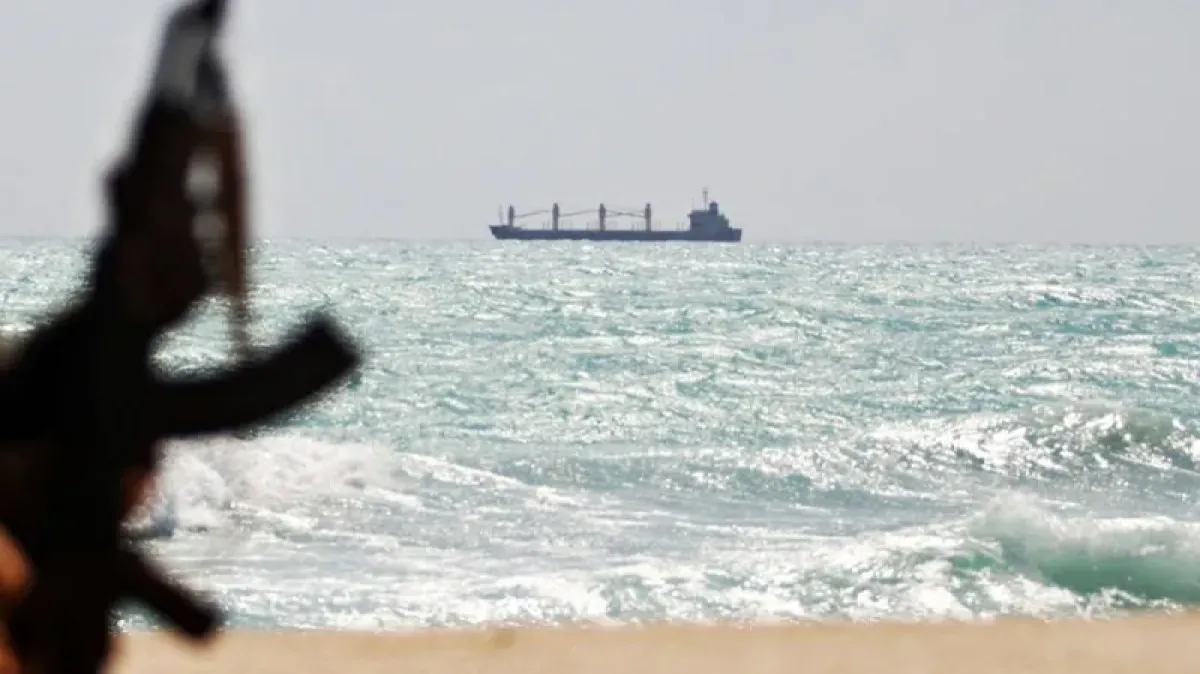
The journey begins in remote villages, where unemployment, poverty, and conflict compel individuals to sell assets or incur debt to finance their migration. They navigate through networks of local brokers to reach the Yemeni coast, boarding overcrowded and often unseaworthy vessels. Survivors recount harrowing experiences of prolonged sea voyages with insufficient food and water, and tragic shipwrecks that claim numerous lives, often going unreported.
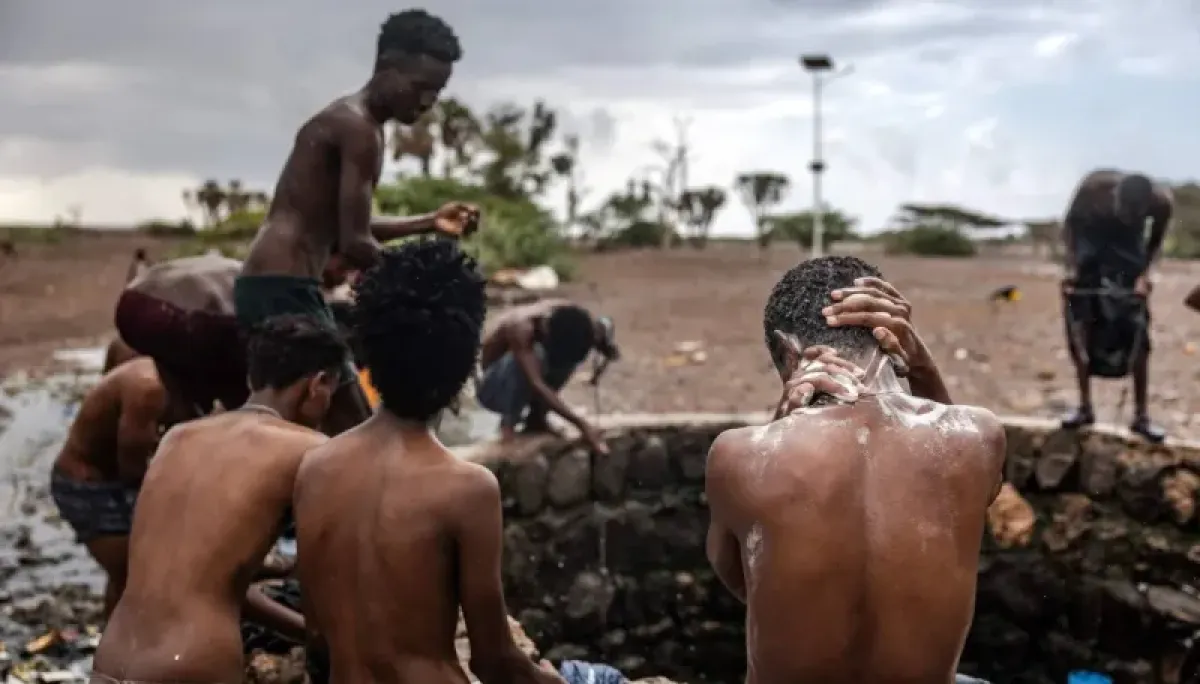
For many, arrival in Yemen marks not the end, but the beginning of their ordeal. Prior to the ongoing conflict, Yemen was primarily a transit point to Saudi Arabia and other Gulf states. However, heightened border controls, escalating conflict, and numerous checkpoints have stranded thousands of migrants in Yemen for extended periods, leaving them without income, legal documentation, or adequate protection. Large migrant communities have formed in various cities, residing in dilapidated buildings or informal settlements lacking basic services and facing dire living conditions.
Behind this irregular migration stands an organized criminal enterprise extending from the Horn of Africa to Yemen and neighboring countries, profiting immensely from the exploitation of migrants. These networks employ a chain of intermediaries and smugglers who charge substantial fees for facilitating passage across land and sea borders. Migrants often face detention, torture, and extortion, with their families pressured to pay additional sums for their release or to allow them to continue their journey. In some instances, migrants become victims of human trafficking and forced labor, highlighting a dark aspect of one of the region's most dangerous migration routes.
Women and children are particularly vulnerable to exploitation and abuse during these journeys. Women face risks of gender-based violence and exploitation, while children are deprived of education, healthcare, and family unity. Humanitarian organizations warn that unaccompanied minors are especially susceptible to organized crime networks. The influx of undocumented migrants also presents significant security challenges for Yemeni authorities, given limited resources and the prevailing instability.
The economic repercussions are substantial. In a country already burdened by high unemployment and poverty, the continuous influx of migrants places additional strain on limited resources and humanitarian aid. International organizations emphasize that addressing this crisis requires a multi-faceted response, including migrant protection, combating smuggling networks, supporting host communities, and fostering cooperation among countries of origin, transit, and destination. They advocate for safe and organized migration pathways and for tackling the root causes driving African youth to risk their lives.
Yemen faces a complex dilemma, balancing humanitarian obligations and international law with security and economic imperatives. Given the ongoing crises in the Horn of Africa and Yemen, irregular migration is likely to persist unless comprehensive regional and international solutions are implemented to address the underlying issues, rather than merely managing their consequences. Thousands of African migrants remain caught between the dream of a better future and a harsh reality that transforms their journey into a daily struggle for survival.