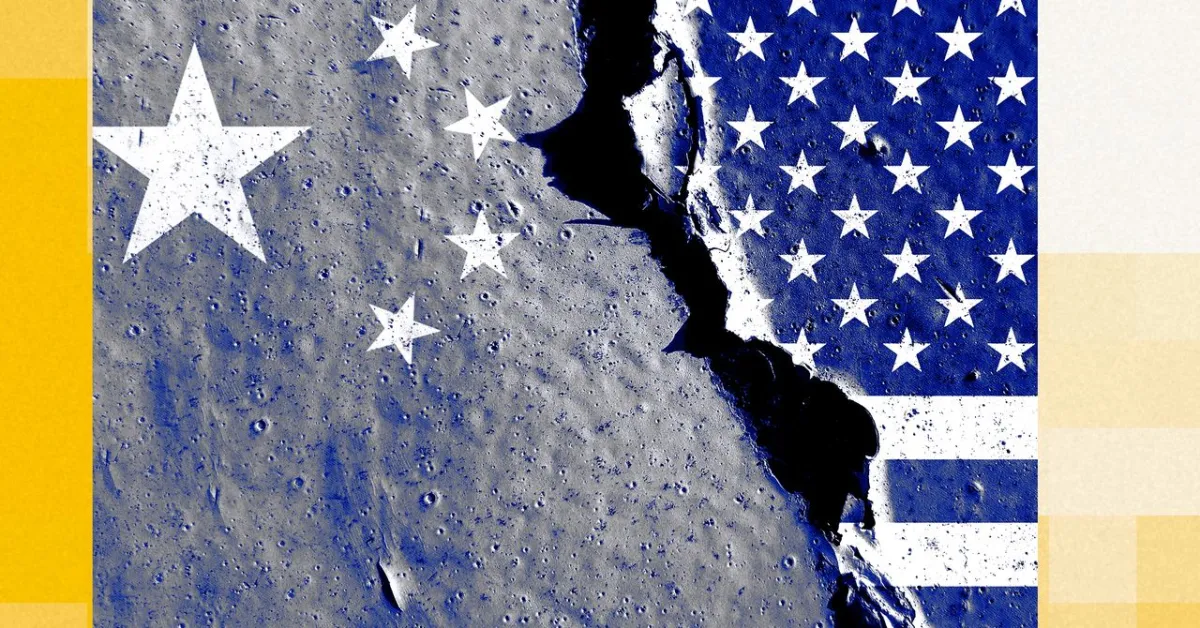
Silicon Valley is experiencing a major rift over the rise of Chinese AI tools, especially "open-weight" models that rival top US systems. This debate is heating up in both Washington D.C. and the tech world, sparking intense discussion about intellectual property and market competition.
A key concern is "distillation," where a smaller AI is trained using a more powerful one. Companies like Anthropic have accused Chinese tech giants, including Alibaba and Moonshot AI, of allegedly stealing their proprietary technology through this method. This practice raises serious questions about IP protection and fair play in the AI development race.
The rapid spread of China's AI models is another major issue. Open-weight models, with their core components publicly available, can be quickly adapted by users. However, they often lack the safety guardrails that companies like Anthropic emphasize. Yasir Atalan from the Center for International and Strategic Studies notes that these models can spread rapidly through platforms like Hugging Face and GitHub, posing challenges for companies that have built their reputation and business models around secure, proprietary AI.
Despite these concerns, many smaller Silicon Valley startups are pushing back against potential US government restrictions. A coalition of over 200 startups, including the renowned incubator YCombinator, has urged the Trump administration not to outright ban open-weight AI models. They argue that such restrictions would disadvantage US startups and could lead to a monopoly among the biggest AI players, hindering innovation and accessibility.
Prominent tech investors like Bill Gurley and venture capitalists such as Chamath Palihapitiya and Jason Calacanis have voiced strong support for an open market. They believe that open-weight models are crucial for startups with limited capital, foster academic research, and prevent vendor lock-in. Some critics argue that the push for restrictions by large AI labs is an attempt to protect their business models under the guise of national security concerns, potentially at the expense of broader innovation and smaller players.
This conflict highlights a fundamental tension: while major AI labs emphasize safety and control over their proprietary models, many startups and investors advocate for the accessibility and dynamism of open-weight systems. As the US government grapples with these complex issues, the debate continues over how to best balance innovation, security, and market competition in the rapidly evolving AI landscape.