Forget roughing it with just a thin foam mat! Modern backpacking sleeping pads offer incredible comfort and insulation without weighing you down, ensuring a solid night's sleep after a long day on the trail.
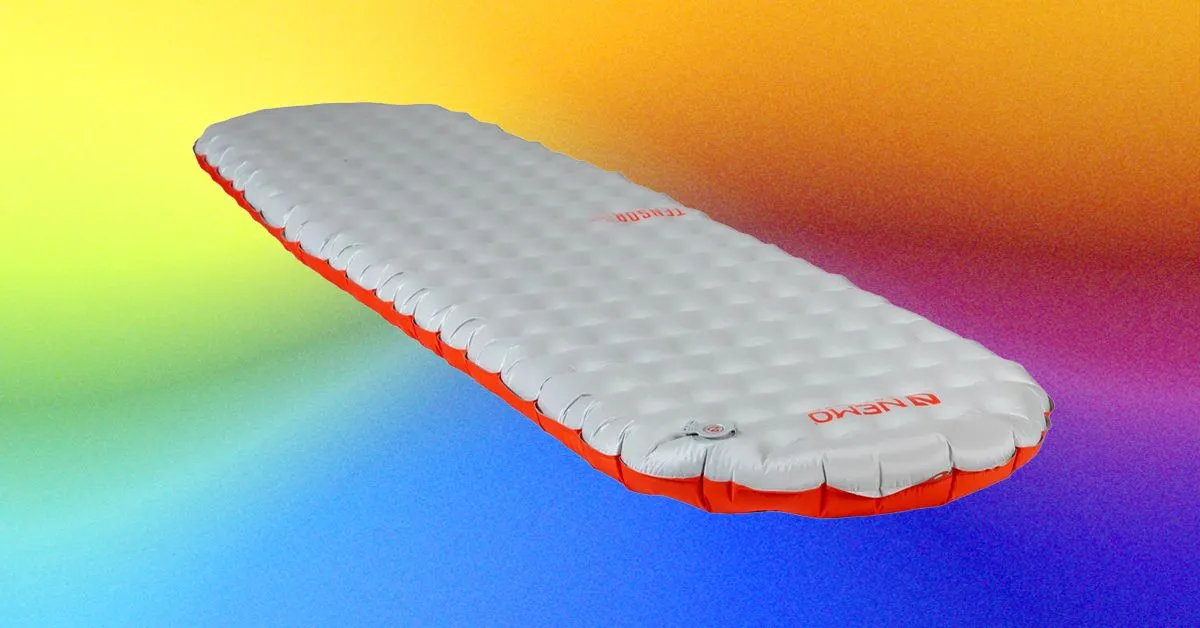
Gone are the days of battling pebbles through a flimsy pad. Today's market is packed with lightweight, packable sleeping pads designed to provide a plush barrier between you and the ground. We've logged countless nights testing various pads, and thankfully, none have catastrophically failed. However, some truly shine, like the Nemo Tensor All Season, while others... well, they're best left behind.
Choosing the right pad involves considering your specific needs. For backpacking, inflatable or self-inflating options are generally your best bet, balancing insulation and cushioning with minimal weight. The key is finding the optimal warmth-to-weight ratio. Think about where and when you'll be camping – a chilly autumn trip in the mountains demands more insulation than a summer excursion in warmer climates. Also, consider your personal sleep style; side sleepers might prefer thicker pads, while hot sleepers might opt for lighter, quieter models.
Your sleeping pad is just one piece of the puzzle. Your entire sleep system, including your sleeping bag, pillow, and even base layers, contributes to your overall warmth. It’s worth noting that sleeping bag temperature ratings often assume you’re using a pad with an R-value of 5 or higher and wearing a base layer. If your pad's R-value is lower, you might need a warmer sleeping bag to achieve the same level of warmth.
The R-value itself measures a pad's resistance to heat flow – the higher the number, the better it insulates you from the cold ground. While standardized R-values (look for ASTM certification) offer a way to compare different pads, personal needs vary. Women, for instance, may need a higher R-value due to generally lower body mass. Don’t inflate your pad with your mouth; use a pump sack or a portable electric pump to avoid moisture buildup inside. Always carry a patch kit or durable tape for quick repairs, and remember that over-inflating can reduce comfort and cushioning.