Iran has asserted its control over the Strait of Hormuz, stating it will be opened and closed solely under its command, while U.S. President Donald Trump urged Americans to accept higher fuel prices due to the ongoing conflict. These opposing stances indicate a significant impasse, halting progress on peace talks and impacting oil tanker traffic through the vital waterway.
Iran's Deputy Foreign Minister Kazem Gharibabadi declared on X that Iran would continue to enforce a blockade of the Strait of Hormuz "so long as you do not accept the reality of defeat and stop indulging in fantasies." He added that the strait "cannot be seized by a tweet or an aircraft carrier, by issuing an order or by delivering an election speech." Before the conflict began on February 28, approximately one-fifth of the world's oil exports transited this strategic chokepoint.
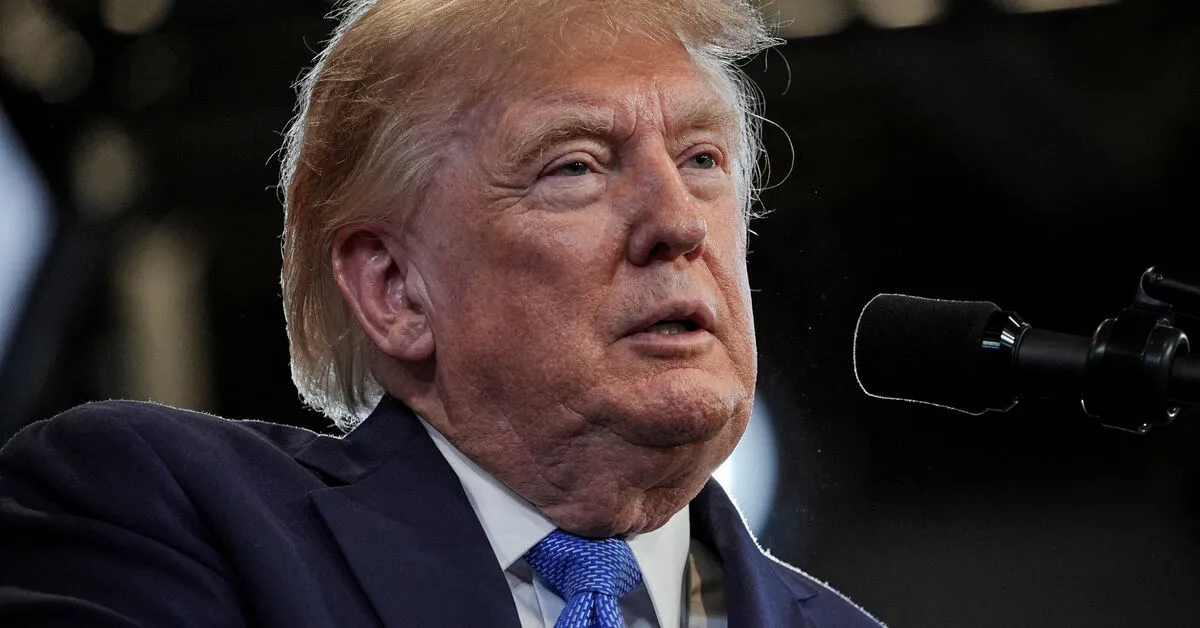
President Trump, speaking at a rally in Garden City, New York, encouraged Americans to bear slightly higher gasoline costs, framing it as a necessary price for preventing what he described as an "evil country" from acquiring nuclear weapons. The average U.S. gasoline price stood at around $4.08 per gallon on Friday, a 29% increase from the previous year, according to the American Automobile Association. This trend has contributed to inflation and become a point of concern for voters ahead of the November midterm elections.
Traffic through the Strait of Hormuz has drastically reduced. On Friday, only two vessels, a grain ship and an empty dry bulk ship, passed through, according to Kpler ship-tracking analysis. An empty liquefied petroleum products tanker was also seen sailing into the Gulf. No crude oil shipments were observed. Vessels transiting the strait without Iranian authorization risk missile or drone attacks. The Abu Dhabi National Oil Company reported two of its vessels were attacked on Thursday evening, with another vessel attacked on Friday, according to the Emirati state news agency WAM.
While the U.S. refers to its actions as a threat against Iranian vessels leaving port, Iran characterizes its enforcement of traffic as a blockade. President Trump asserted that the U.S. is providing a "great service for the world" and that a 260-day deployment by a U.S. aircraft carrier supporting the war effort was insufficient. With a tentative peace deal in June having failed, there are no indications of renewed peace talks. Iranian Foreign Minister Abbas Araqchi stated that no decision has been made to restart negotiations, though mediators Qatar and Pakistan remain in contact with Iran.
The significant reduction in oil shipments through the Strait of Hormuz has driven up crude oil futures. Benchmark Brent and West Texas Intermediate futures were on track for weekly gains of 6.0% and 5.4%, respectively. Despite Iran's assertion that it will not be intimidated, the conflict is taking an economic toll. Iranian President Masoud Pezeshkian attributed high inflation to U.S. sanctions and blockades on Iranian ports and oil exports. U.S. officials, including Treasury Secretary Scott Bessent, have pledged further financial measures against Iran.