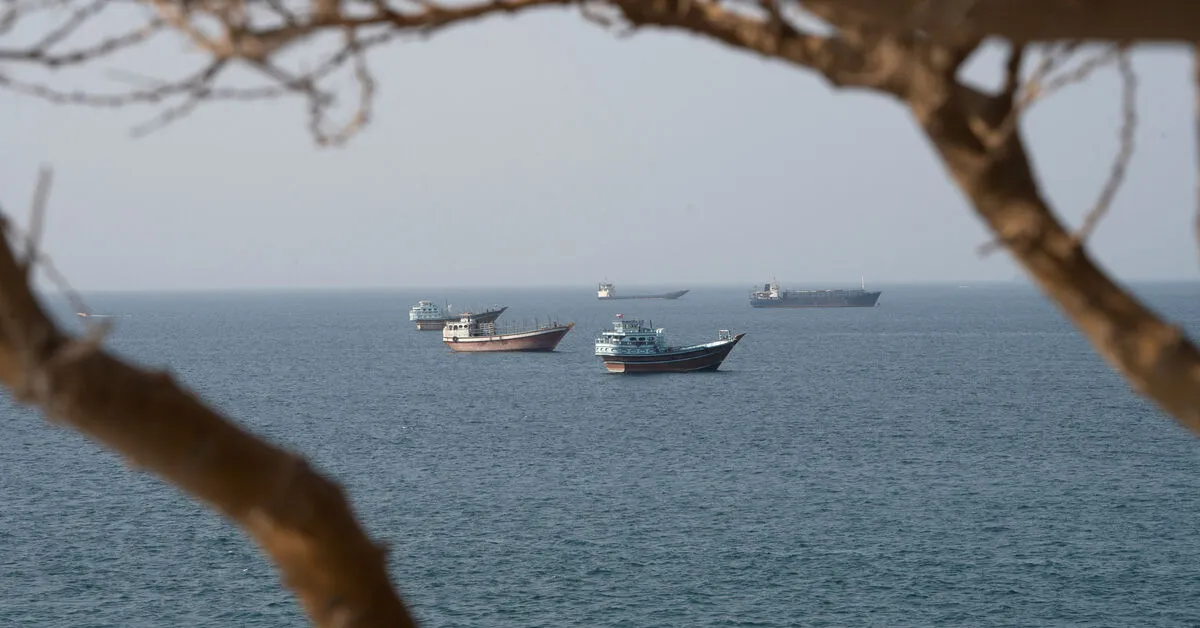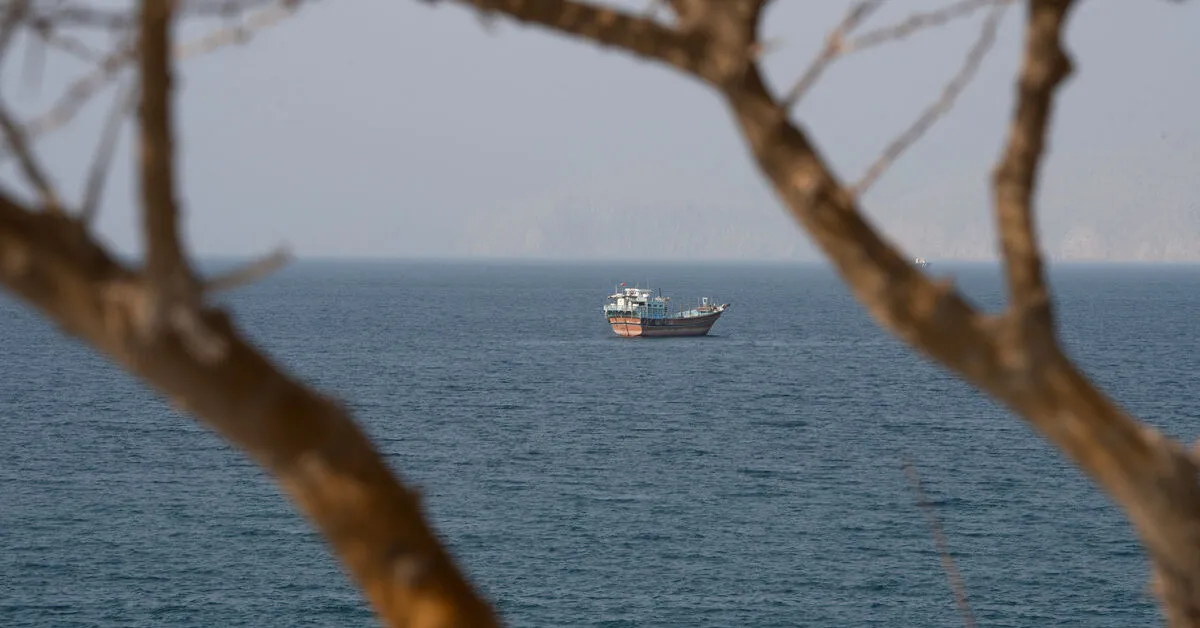
An Iranian official has indicated a significant policy shift towards an "fully offensive" posture in the Strait of Hormuz, citing a deadlock in diplomatic efforts to permanently end the ongoing war with the United States. This change in strategy comes as progress on peace talks and the resumption of oil tanker traffic through the strategic waterway has stalled, with no discernible movement towards conflict resolution.
The official stated that "Iranian entities must be prepared to escalate tensions in the Strait of Hormuz and wider region, as Iran will be ready to make decisions and take action on difficult decisions." This suggests Tehran is prepared to implement a "timely and precise" military response to break the U.S. naval blockade should diplomatic avenues prove fruitless.
This development follows the expiration of a memorandum of understanding (MoU) agreed upon in June, which had established a 60-day timeframe, extendable by mutual consent, for Washington and Tehran to reach a comprehensive agreement ending the war. The MoU, which also aimed to address broader issues such as Iran's nuclear program, was intended to facilitate an immediate and permanent cessation of hostilities.
However, the accord quickly faced significant challenges, primarily stemming from a dispute over the control and management of the Strait of Hormuz. Tehran contends that point 5 of the MoU grants it the right to manage the waterway, an interpretation vehemently rejected by Washington. Hostilities reportedly resumed when Tehran began targeting vessels perceived to be transiting the strait via unapproved routes.
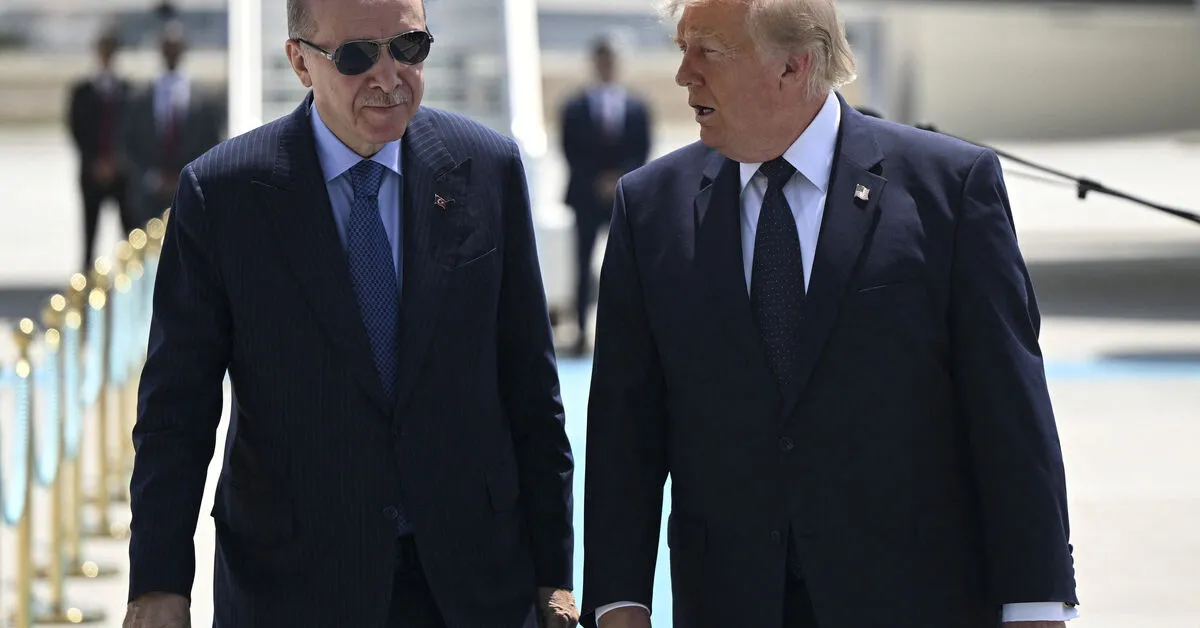
The Iranian official emphasized that all provisions of the agreement must be implemented by the U.S. within a short period set by Iran, characterizing this as a precondition for any further negotiations. Mediators are expected to convey Tehran's deadline to Washington and regional states. Both nations have escalated their rhetoric recently, with U.S. President Donald Trump warning of continued high fuel prices and suggesting the Hormuz Strait could become U.S. territory post-conflict, while also reiterating the U.S. objective of preventing Iran from acquiring nuclear weapons.