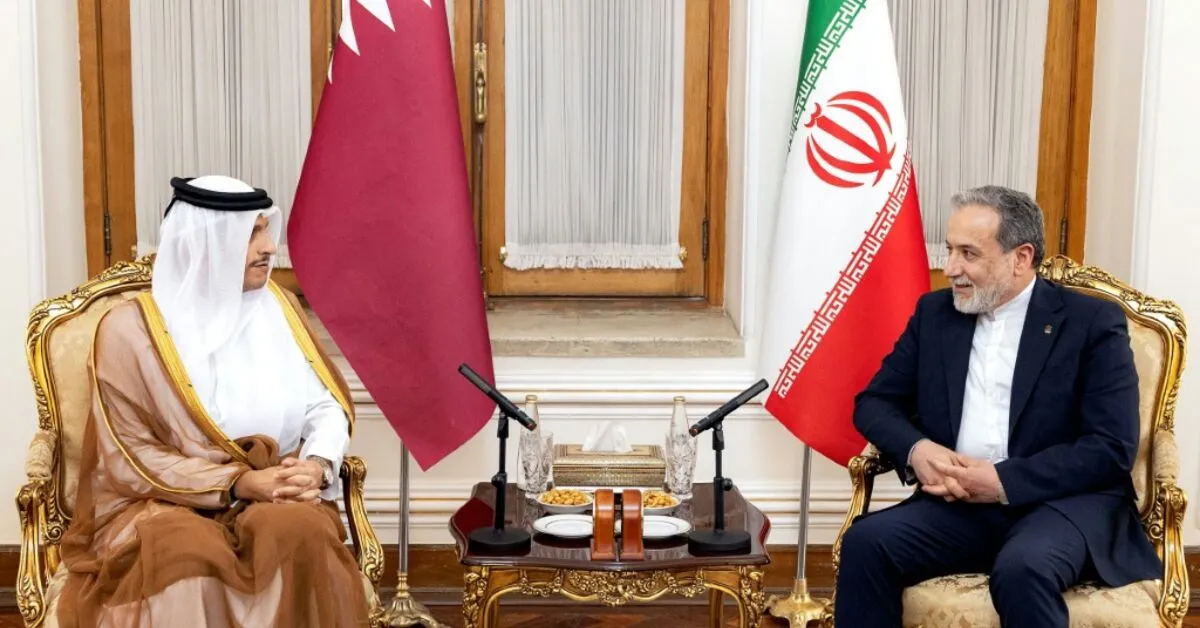
Iran has indicated a willingness to engage in diplomatic dialogue, six months into a protracted conflict with the United States that has significantly destabilized the Middle East, contingent on Washington ceasing its pressure campaign.
Iranian Foreign Minister Abbas Araghchi stated on the social media platform X that restoring diplomatic engagement is achievable, provided the US acknowledges that its current strategy of applying pressure is ineffective. Mediated efforts, involving nations such as Pakistan and Qatar, have been ongoing for several months in an attempt to broker an end to the conflict initiated in late February. Despite an agreement on a ceasefire in April and the signing of a memorandum of understanding for a peace deal in June, a resolution has not materialized, and the US has since imposed what it terms "economic warfare" on Tehran.
In a recent diplomatic initiative, Araghchi convened with his Qatari counterpart in Tehran to address the status of the Strait of Hormuz, which Iran closed at the outset of the war. This meeting followed a week of intensive discussions between Iranian officials and representatives from Oman and Pakistan. Concurrently, a US naval counter-blockade of Iranian ports is reportedly constricting fuel supplies within Iran, exacerbated by a domestic production shortfall. This action is part of a broader US strategy to intensify pressure on Iran, described by Washington as an "economic D-Day."
The April ceasefire brought an end to the most intense hostilities, although sporadic incidents, particularly around the Strait of Hormuz, have diminished the prospects for a comprehensive peace agreement. Tehran has been engaged in discussions with Muscat regarding the future of the Strait of Hormuz, given Oman's shared territorial waters. Iran maintains that the strait will remain closed until Washington fulfills its commitments outlined in the June memorandum, which includes the lifting of the US counter-blockade and sanctions.
Foreign Minister Araghchi emphasized that the US must foster trust, engage in respectful dialogue, recognize Iran's rights, and honor its commitments. Esmail Kowsari, a member of the Iranian parliament, reiterated to state television that if the memorandum is not implemented and the US fails to adhere to its obligations, not only will the Strait of Hormuz remain closed, but the United States should also prepare for offensive actions from Iran, which could be pursued in distant locations.
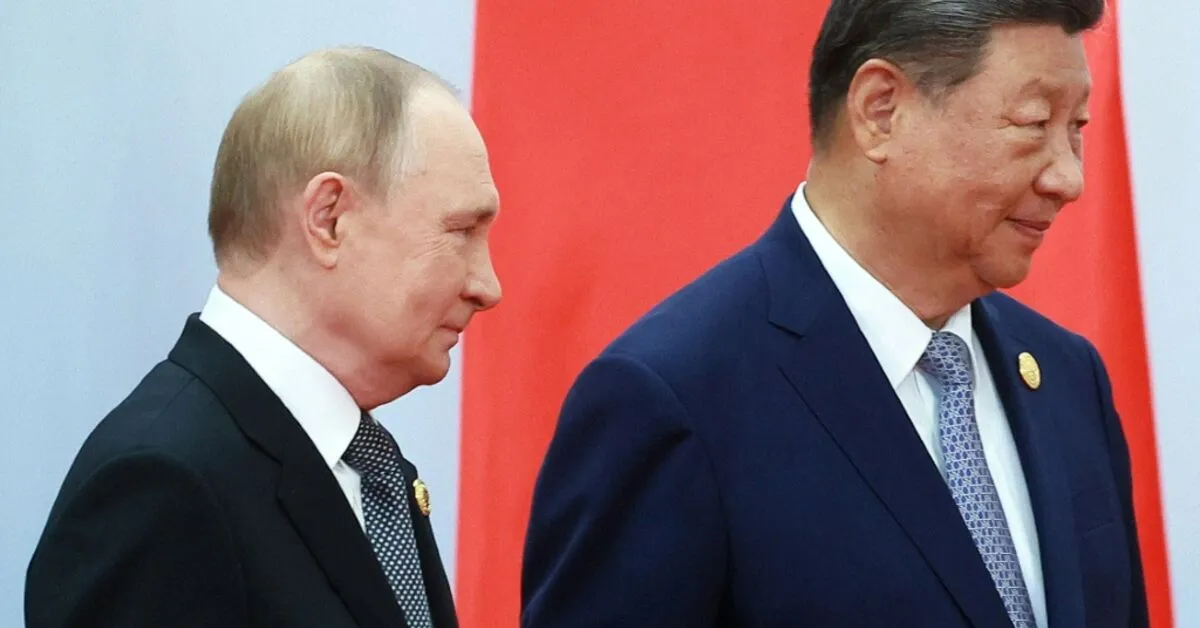
While the US is pursuing an economic strategy aimed at isolating Iran, analysts suggest that Tehran has demonstrated resilience against decades of international sanctions. Skepticism exists regarding the extent of further pressure the US can exert. Furthermore, the US plan for Iranian isolation would likely necessitate cooperation from China, a key trading partner. China has consistently defended its relationship with Tehran and pledged to protect its economic interests. China continues to import Iranian crude oil through overland routes, circumventing the Strait of Hormuz, thereby providing a vital revenue stream for Iran. US Treasury Secretary Scott Bessent has indicated that no entity is exempt from US sanctions, including Chinese banks engaged in business with Iran, ahead of a potential visit by Chinese President Xi Jinping to Washington.