Iran is taking advantage of the lull in nuclear talks with the US to get dangerously close to a nuclear weapon, Israeli officials warned their American counterparts, calling to set a deadline for a return to negotiations.
Iran has said it will not return to talks at least until after its new president Ebrahim Raisi is inaugurated on August 5, nearly two months after the end of the sixth round of indirect negotiations between the US and Iran in Vienna to return to the 2015 Joint Comprehensive Plan of Action.
Israel is concerned that Iran is using the “state of limbo,” as a senior diplomatic source called it, to reduce its breakout time for a nuclear weapon from about seven to two or three months, while the International Atomic Energy Agency (IAEA) is not able to inspect the situation.
Then, the source prognosticated, Iran could return to the negotiating table having already achieved what it wanted on the nuclear front, while still demanding that the US lift sanctions.
Last week, IAEA Director-General Rafael Grossi said that Iran's announcement that talks will be on hold until Raisi enters office "leaves us in a rather uncomfortable position."
"We still have a number of questions, issues that we are trying to clarify with Iran, and we will have to wait and start anew with the new team when they are in office," Grossi told AFP.
Iran told the IAEA earlier this month that it has taken steps to produce uranium metal enriched to 20%, to be used as reactor fuel. This brings Iran’s nuclear project to a more advanced stage than any country without nuclear weapons is known to have reached.
Prime Minister Naftali Bennett blamed opposition leader Benjamin Netanyahu for the advances in Iran's nuclear program, soon after the news of Iran’s uranium metal enrichment was published.
A source in the Prime Minister’s Office said that Netanyahu was “prime minister for 12 years, up until a month ago, and his neglect was what allowed Iran to reach the most advanced point ever in its nuclear program…This is the inheritance Bennett received, and from here, he will navigate and fix it with all the tools he has."
The lead US negotiator with Iran, Rob Malley, confirmed Iranian statements that the Biden administration is prepared to lift all sanctions on the Islamic Republic, in remarks to MSNBC Sunday.
Asked if the US should lift sanctions first, Malley said “that deal has been more or less on the table,” and pointed to statements by senior Iranian officials on the matter.
“If Iran wanted to see the sanctions lifted could have had them lifted in March, in April, May, June or July. At all of those stages ideas the US offered [to do so]... in exchange for Iran coming into compliance” with the JCPOA, Malley said.
US President Joe Biden “said very clearly that we’re prepared to come back to the deal if they’re prepared to do their part. In other words, we’ll lift the sanctions if they’re prepared to come back into compliance with the nuclear constraints and obligations they signed up to in 2015.”
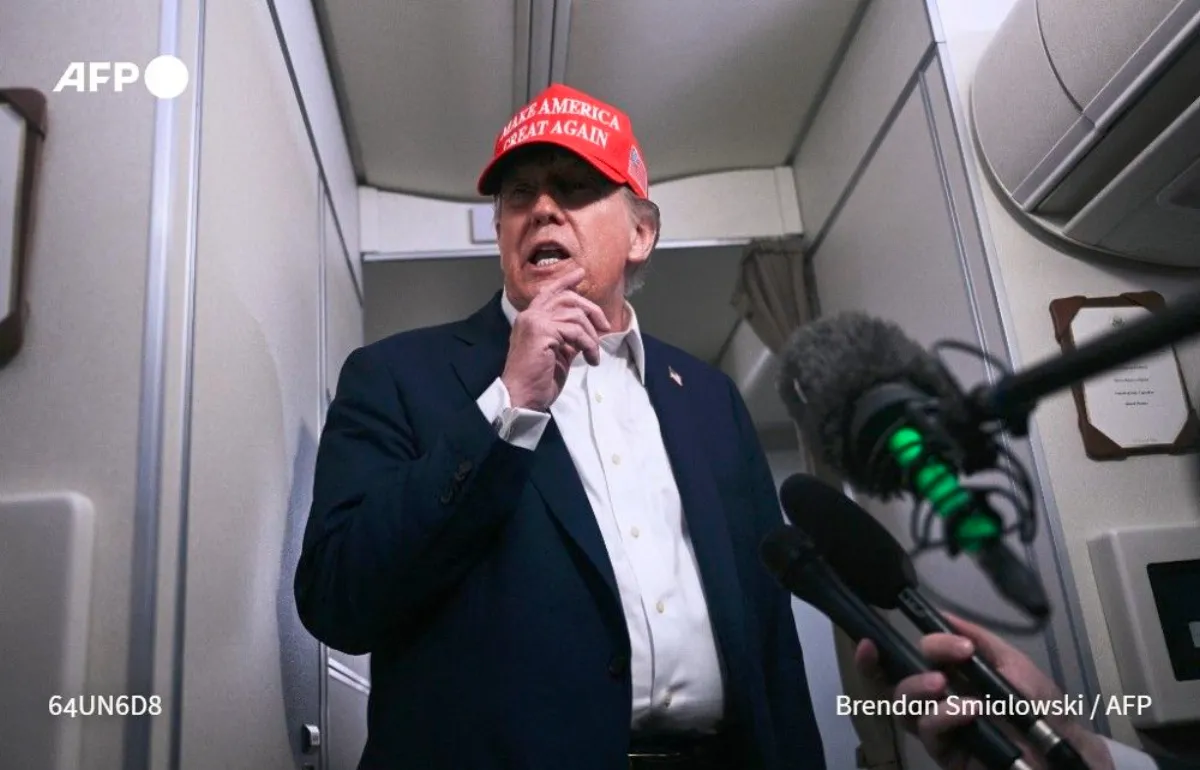
Malley criticized former US president Donald Trump for leaving the nuclear deal in 2018 and applying heavy sanctions to Iran, saying that “three years on, I think the verdict is clear that America is less safe, because Iran has a more expansive clear program and because it has accelerated and intensified its regional activities – the very steps the Trump administration said it would tackle through its maximum pressure.”
Iran is not only demanding the removal of sanctions; it seeks to include a clause in the new nuclear deal that would require the US to get UN approval before leaving the agreement again, The Wall Street Journal reported. That would likely be unconstitutional in the US, where a president cannot bind a future president or the Congress to a policy.
Jordanian King Abdullah gave a vague answer when asked on CNN on Sunday if he supported the Biden administration's push to rejoin the 2015 Iran nuclear deal.
"There are legitimate concerns in our part of the world on a lot of portfolios that the Americans are hopefully going to be able to discuss with the Iranians," Abdullah said, adding that this included issues of specific concern for Jordan.
"The nuclear program affects Israel as it does the Gulf," said Abdullah.
However, he added that he felt that the American and Iranian positions in the Vienna talks are "somewhat far apart."
The Jordanian king pointed to efforts by the United Arab Emirates Kuwait and Saudi Arabia, to engage with Iran in order to lower tensions.
"Let's hope that those talks get us to a better position where we can calm the region because we have so many challenges," Abdullah added.
Alarm in Jerusalem as Iran races to the bomb amid lull in nuclear talks
5 years ago