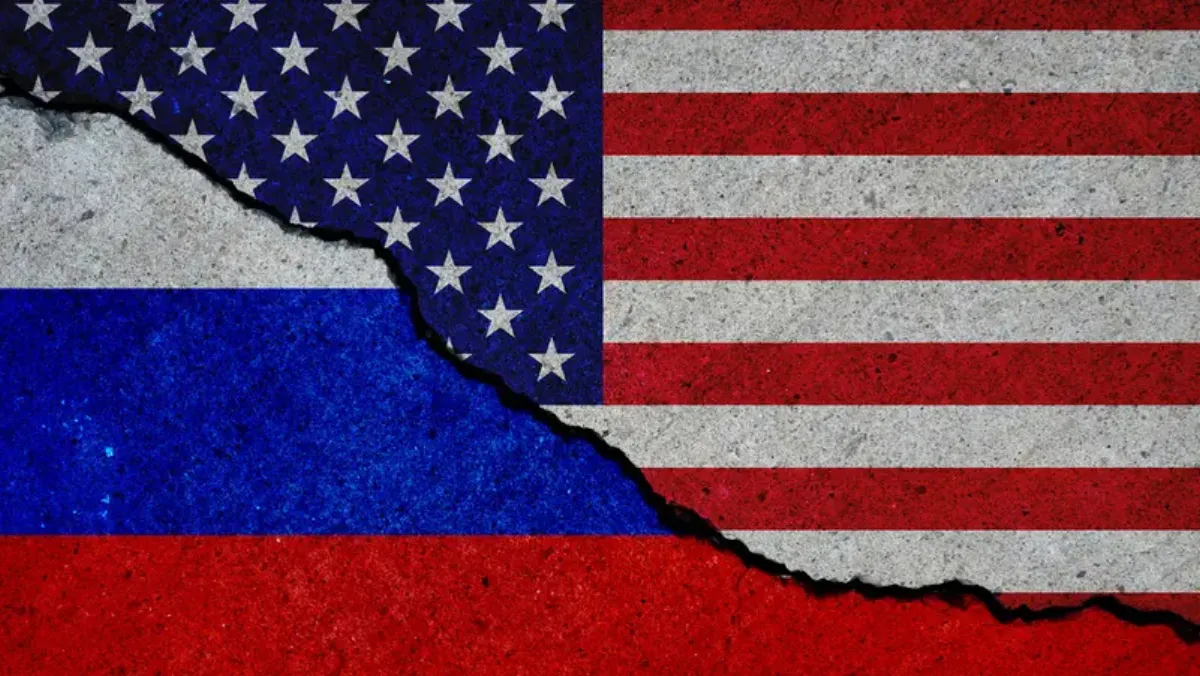
The Russian economy, mainly insulated from Western markets by sanctions, has escaped immediate damage from sweeping US tariffs but the Kremlin said on Friday it needs to take extra measures to minimize the impact of resulting market turbulence.
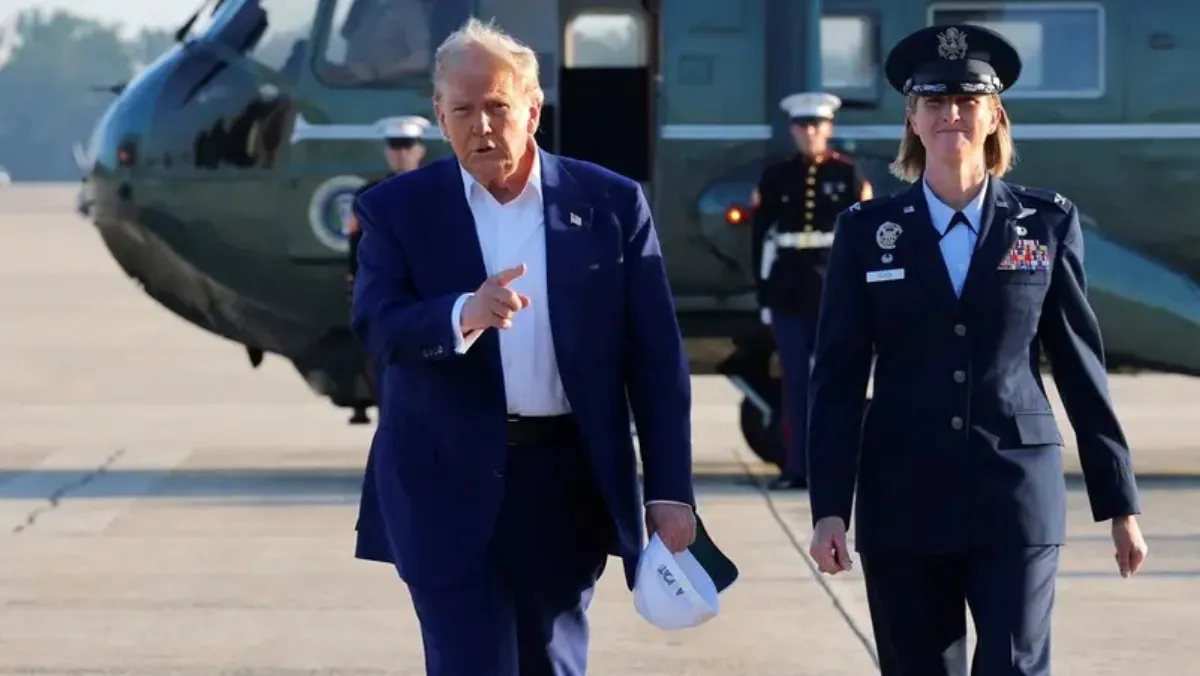
President Donald Trump this week unveiled a 10 percent baseline tariff on all imports to the US and much higher duties on many of the country’s biggest trading partners, triggering a plunge in world financial markets and fears of a global downturn.
Russia, along with Belarus, Cuba and North Korea - some of the world’s most heavily sanctioned countries - avoided additional tariffs. The US said sanctions imposed over military action in Ukraine “preclude any meaningful trade.”
Kremlin spokesman Dmitry Peskov said Moscow had avoided Trump’s punitive measures because it had no “tangible” trade with Washington due to sanctions, but officials were monitoring global markets for potential negative effects on the economy.
Goods trade between the two countries was $3.5 billion last year, according to US figures, down from $36 billion in 2021, the year before the full-scale conflict in Ukraine began.
“We see quite a high level of turbulence in international markets,” Peskov said. “We are hearing very unfavorable forecasts from various economists, including world-renowned economists, who are pessimistic about this latest news.”
“Let’s just say that with a storm like this, we need to be very careful to minimize the negative effects on our economy,” Peskov said.
Ruble little changed despite oil price drop
The Russian ruble was little changed against the US dollar and China’s yuan, the most traded foreign currency in Russia, despite turmoil in the global forex market and the US dollar’s decline against other currencies.
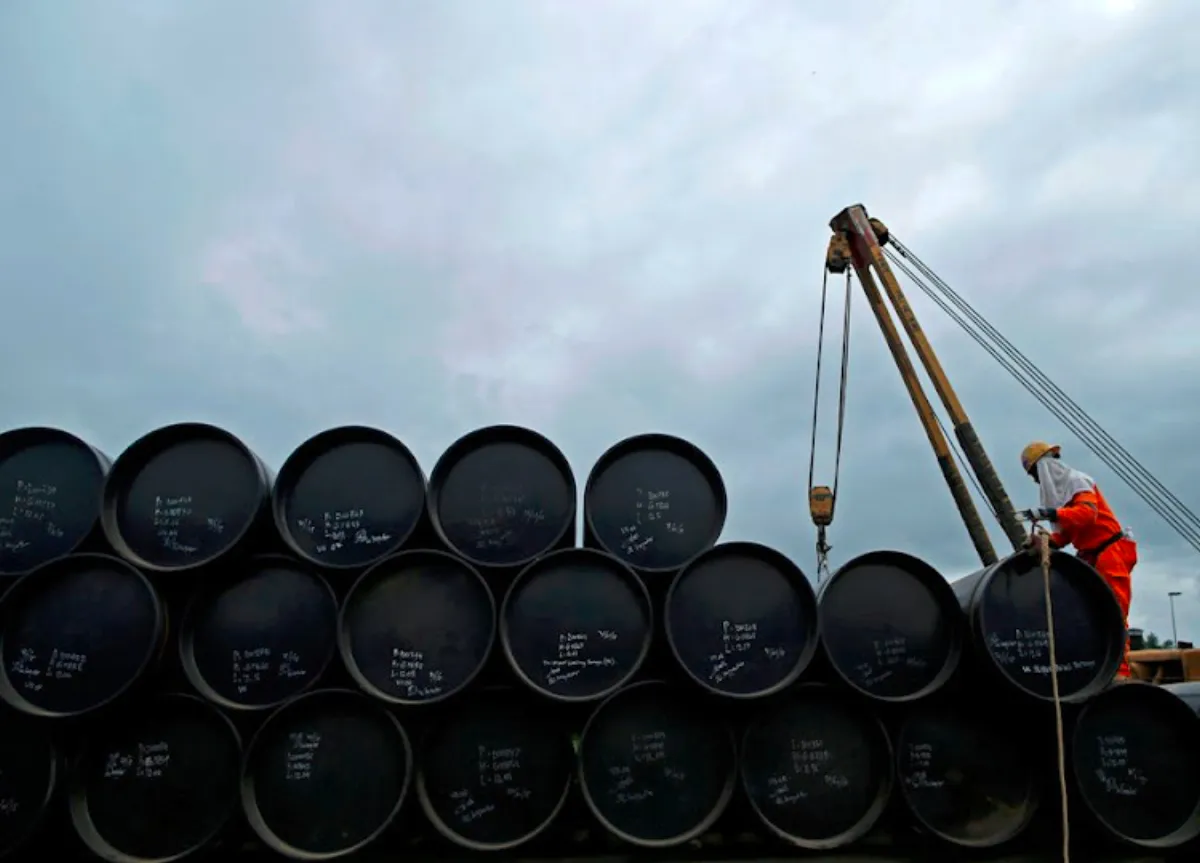
It also did not react strongly to a 2 percent drop in oil prices, Russia’s main export commodity. The ruble has rallied by 25 percent since the start of the year, primarily due to expectations of easing tensions with the US.
“The ruble has immunity to global currency fluctuations,” analysts from BCS Express brokerage said.
Some in Russia praised Trump’s actions.
“President Trump’s tariff strategy reflects a growing shift toward economic sovereignty and national interest,” said Kirill Dmitriev, the Kremlin’s special envoy on international economic cooperation, who visited the US for talks with US officials this week.
“By prioritizing domestic industry and correcting structural trade imbalances, the US sets a precedent for self-reliant growth and sustainable job creation.”
Cautious note
Despite a sharp reduction in trade, Russia supplied $1.3 billion worth of fertilizer to the U.S. in 2024, according to the UN’s Comtrade database, ranking as the second biggest supplier after Canada. Fertiliser exports to the US have escaped sanctions but some are already subject to duties.
Industry sources told Reuters that Russian fertilizer supplies would be affected by the 10 percent baseline tariffs in addition to earlier duties, while levies on other suppliers were unlikely to significantly improve the position of Russian firms.
The central bank struck a cautious note, having warned last week that oil prices could be lower than forecast for several years due to reduced global demand.
“The increase in import duties in the US and retaliatory measures by other countries have raised the risks of a slowdown in global economic growth and an acceleration of inflation,” the Russian regulator said.
Sanctioned Russia escapes immediate US tariff hit, braces for long-term impact
1 year ago