California's crucial wildfire prevention efforts are at risk of significant funding reductions, potentially decreasing the state's annual budget for vegetation management by hundreds of millions of dollars. This comes as two primary funding streams are set to dwindle, raising concerns among experts and advocates about the state's vulnerability to increasingly destructive wildfires.
The state has relied heavily on a program that charges polluters for their emissions and a climate bond approved by voters. However, a recent restructuring of the emissions program, known as cap-and-invest, is projected to reduce annual wildfire mitigation funding by approximately $200 million. Concurrently, the governor's latest budget proposal indicates that the majority of the climate bond's $1.5 billion allocated for wildfire prevention will be disbursed within the next three years.
According to estimates from the Wildfire Solutions Coalition, a group comprising over 80 organizations, this reduction could see California's annual funding for these mitigation efforts drop from over $600 million to just $150 million. Michelle Decker, a member of the coalition's executive committee, emphasized that the state possesses the necessary expertise and sees the problem clearly, but faces a critical "revenue issue."
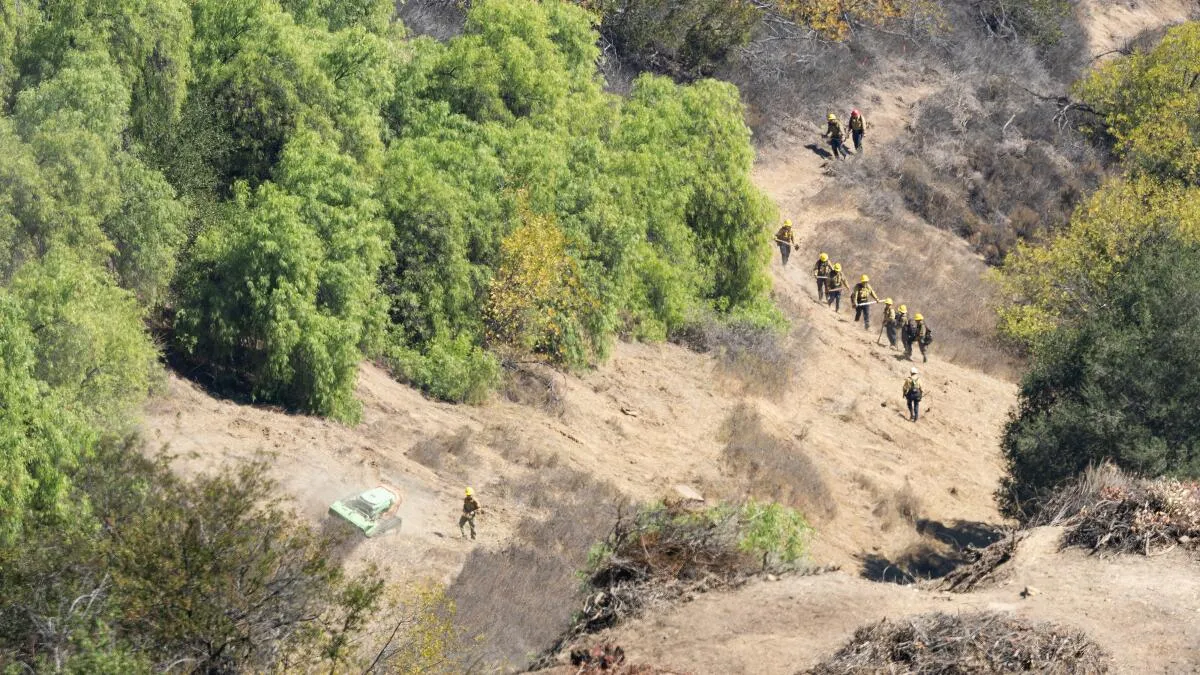
California has historically invested in various tactics to reduce wildfire risk, including fortifying homes, replanting forests, and thinning vegetation through prescribed burns, goat grazing, and mechanical methods. Research indicates that these mitigation measures yield substantial returns, with a recent analysis suggesting that every dollar spent on landscape projects saves approximately $3.75 in wildfire damage.
As funding from the cap-and-invest program and the climate bond diminishes, the state may need to rely more heavily on Cal Fire, which currently allocates only a small portion of its budget to mitigation. Steve Frisch, a founding member of the coalition, warned that "fire happens whether we want it to or not" and that these issues cannot be delayed based on political timelines.
Historically, state funding for wildfire mitigation increased significantly following a series of devastating wildfires. Lawmakers initially directed $200 million annually from cap-and-invest funds starting in 2018. With a substantial budget surplus, further allocations were made, peaking at $1.1 billion in investments during the 2021-2022 fiscal year. The 2024 climate bond, with $1.5 billion dedicated to wildfire prevention, represented a subsequent effort to secure long-term funding.
However, the rapid allocation of the climate bond funds and revised projections for the cap-and-invest program present a challenging financial outlook. The Legislative Analyst's Office estimates that the cap-and-invest program's revenue will be halved, and with other projects receiving priority, funding for wildfire and forest resilience may be eliminated. While Cal Fire's budget for forest management and fire prevention has increased, it remains modest compared to the potential shortfalls from other sources. In contrast, California's investor-owned utilities plan to spend over $9.2 billion in 2025 on preventing wildfires caused by their equipment, primarily funded by electricity consumers.