Apple's $599 MacBook Neo has shaken up the laptop market, forcing competitors to rethink their strategies, especially in the budget-friendly, premium-feel segment. While some, like Dell, are directly mirroring Apple's approach, Microsoft appears to be missing the mark.
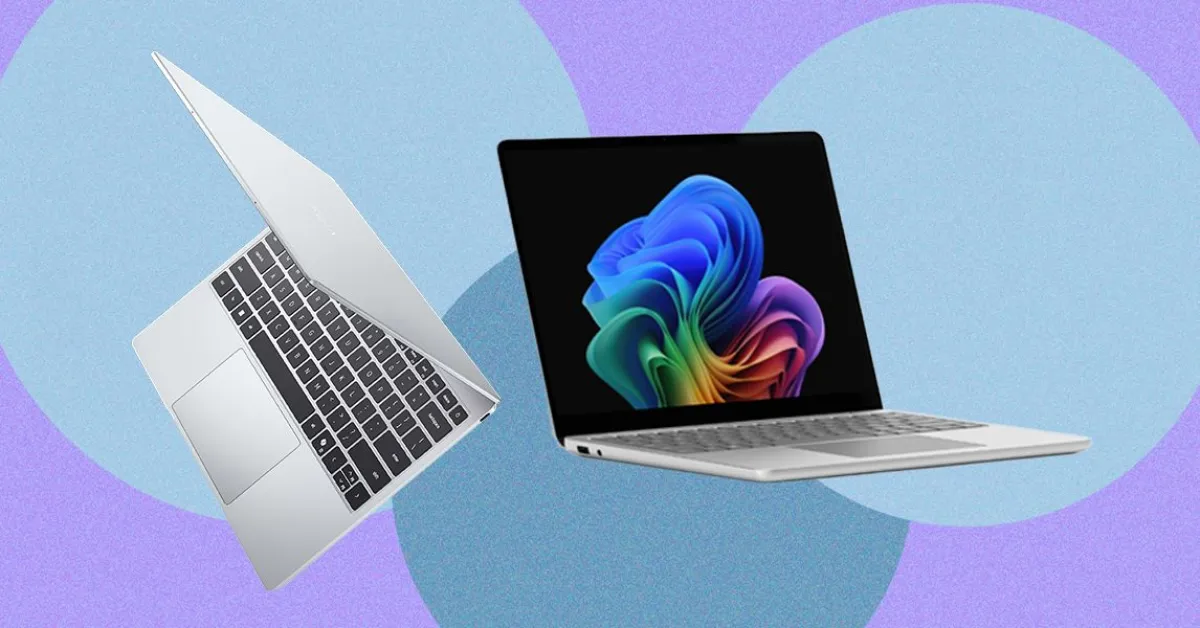
The MacBook Neo's aggressive pricing opened the door to a new demographic, and the Windows ecosystem is finally responding. Dell's new XPS 13, priced at $699 (or $599 for students), adopts a similar playbook. It boasts an all-aluminum build, a slim profile, and a sharp 2560 x 1600 IPS display with a 120Hz refresh rate, aiming to match the Neo's premium aesthetic and visual quality. However, like the Neo, it starts with just 8GB of RAM and a less powerful Intel Core 5 processor, making trade-offs for its accessible price point. The key difference is Dell's offering scalability, allowing configurations up to 32GB of RAM and 1TB of storage, unlike the Neo's fixed limits.
This shift comes amid a broader industry-wide memory shortage, impacting even Apple and forcing compromises like the Neo's base 8GB RAM. While some manufacturers like Acer, Lenovo, and HP are attempting to compete by offering more powerful specs at similar price points, they often lack the premium chassis and display quality that define the Neo and the new XPS 13. These machines are designed for users who value aesthetics and a smooth experience over heavy-duty performance.
Microsoft, however, seems to be misinterpreting Apple's strategy. The company's new Surface Laptop for Business 13-inch model, despite a starting price of $1,200, is set to launch with a base of only 8GB of RAM. Unlike Dell's approach, this Surface model doesn't seem to be compensating with enhanced premium features. This move, especially for a business-oriented device, is raising eyebrows, particularly when compared to the consumer version of the Surface Laptop 13, which previously started with 16GB of RAM.
The upcoming consumer Surface Laptop 8th Edition will be the true test. If Microsoft releases a model with only 8GB of RAM at a similar price to the Neo, it would signal a misunderstanding of what makes Apple's budget offering successful. While the current Surface Laptop 7th Edition with 16GB RAM remains a solid option under $800, future iterations are expected to be pricier. The competitive landscape is heating up with new, lower-cost chips like Qualcomm's Snapdragon C, promising even more budget-friendly options in the near future.