Turkey has become a powerhouse in the hair transplant industry, not just through medical tourism, but by ingeniously adapting and innovating medical equipment and techniques. This success story is deeply rooted in understanding the profound psychological impact of hair on identity and self-confidence, evolving from basic medical needs to a multibillion-dollar global market.
While biologically hair might seem non-essential, culturally and psychologically, it's a powerful symbol of youth, health, and identity. This deep-seated need has fueled the massive growth of the hair transplant industry, estimated to be worth between $7.33 billion and $11.61 billion globally in 2024. Turkey has capitalized on this, with medical tourism revenue reaching $3 billion in 2025, a significant portion of which is attributed to aesthetic treatments, including hair transplants. The country's influence is so pronounced that Turkish Airlines is playfully dubbed "Turkish Hair Lines," highlighting the sector's economic and cultural significance.
Turkey's dominance isn't solely due to affordability. It's a product of bold, innovative evolution, blending ancient Anatolian craft traditions with cutting-edge microsurgical techniques. Early efforts in the late 1990s, like those by Dr. Mustafa Tuncer, aimed to elevate Turkey as a destination for cosmetic surgery, initially drawing European patients. This "Health Tourism 1.0" phase focused on establishing high-standard, integrated clinics.
The sector then entered "Health Tourism 2.0," a golden age driven by institutional training and a shared medical ethos. Unlike other regions where knowledge was guarded, Turkey fostered an environment where doctors, trained through extensive hands-on experience, established their own clinics, creating a robust ecosystem built on quality and trust. This period saw Turkish clinics performing significantly more procedures than their Western counterparts, standardizing techniques and building a reputation for excellence.
By 2014-2015, the industry shifted into "Health Tourism 3.0," marked by the influx of non-medical players like digital marketers and investors. The focus broadened from pure healthcare to aggressive global sales and marketing. The COVID-19 pandemic further amplified demand, as people, spending more time on video calls, became acutely aware of hair loss, driving a surge in cosmetic procedures as a form of self-care.
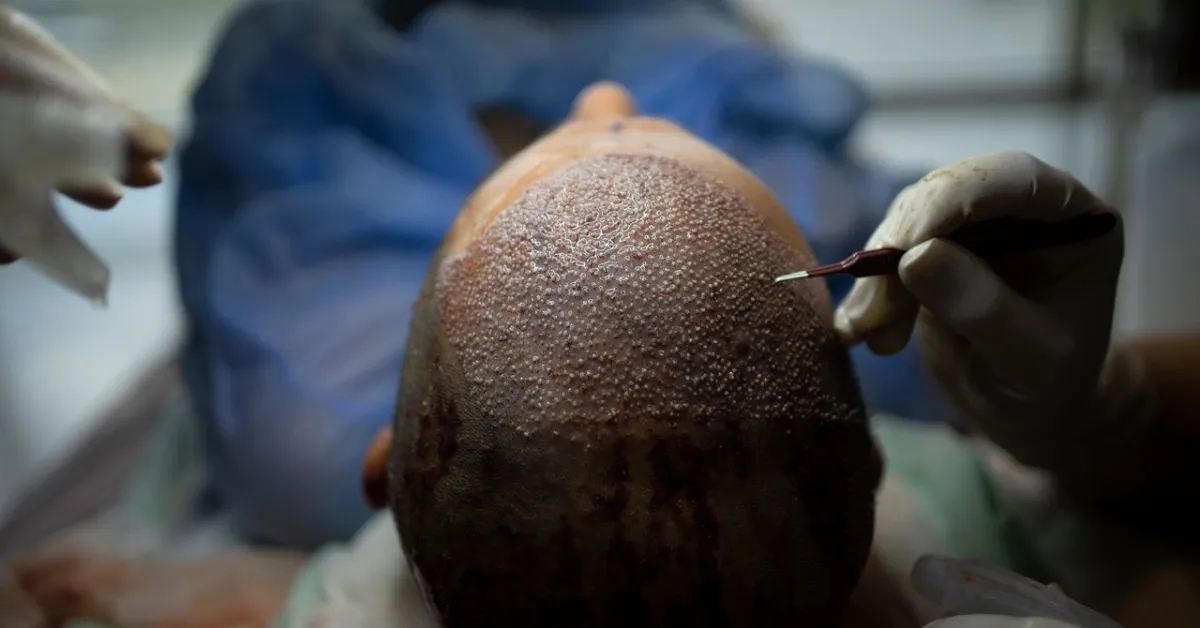
The technological leap in Turkey's hair transplant sector is remarkable. Faced with slow manual extraction methods, engineers ingeniously adapted affordable dental motors, creating a closed system that drastically reduced procedure times from days to hours. Innovations like the "Afro Punch" tool and synthetic sapphire blades for channel creation address specific anatomical challenges and improve patient outcomes, reducing healing time significantly. This blend of meticulous manual skill, inspired by traditional craftsmanship, and pragmatic engineering has solidified Turkey's position as a global leader.
However, challenges remain. The rise of "hair factories" and unlicensed clinics, coupled with aggressive marketing, threatens the industry's reputation. The key to sustaining Turkey's success lies not in price wars or volume, but in continuous innovation, specialized technology, and unwavering medical ethics—qualities difficult to replicate elsewhere.