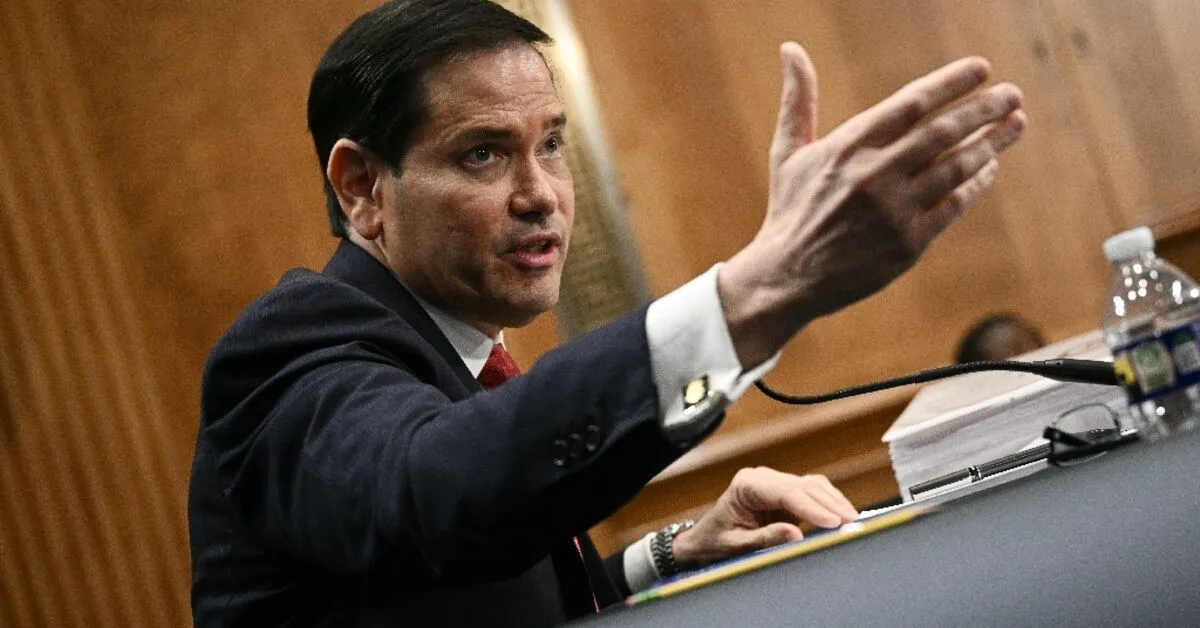
Secretary of State Marco Rubio expressed optimism Tuesday regarding a potential deal to end the conflict with Iran, emphasizing that Tehran must significantly reduce its nuclear program and reopen the Strait of Hormuz before sanctions can be lifted.
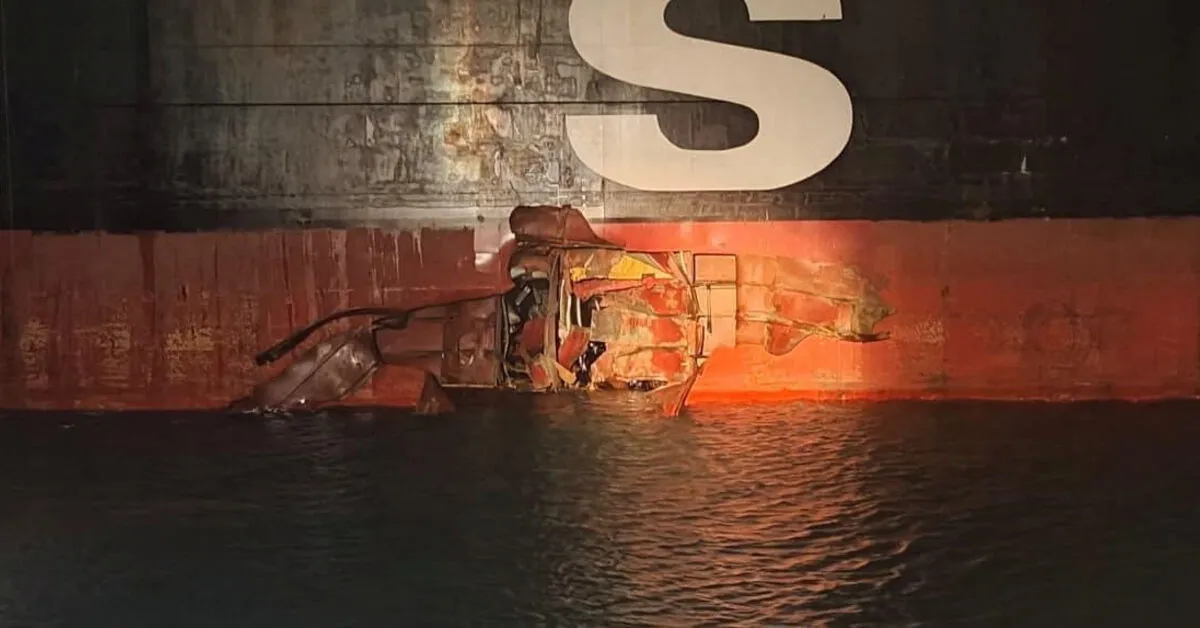
Speaking before the Senate Foreign Relations Committee, Rubio stated, "There is the prospect before us, which could happen today, it could happen tomorrow, it could happen next week." His remarks come as the three-month war, initiated by the U.S. and Israel, appears to have reached a stalemate, with the continued closure of the strategic Strait of Hormuz impacting global energy markets.
Rubio reiterated that the reopening of the shipping channel and verifiable curbs on Iran's nuclear activities are prerequisites for any lasting peace agreement and subsequent sanctions relief. "Iran is being sanctioned because they've highly enriched uranium, Iran is being sanctioned because of their nuclear activities," Rubio explained. "If they agree to give up those things, there will be sanctions relief."
Despite President Trump's repeated assertions of an impending deal, negotiations have stalled. While a ceasefire has generally been observed since early April, recent days have seen exchanges of strikes between Iranian and U.S. forces. Rubio, however, characterized the conflict as effectively over, stating, "Well, the war is over."
He defended the decision to engage in hostilities, arguing that it has substantially diminished Iran's offensive capabilities, despite the presence of residual drone capabilities. Rubio detailed significant losses for Iran, including its navy, a substantial portion of its defense industrial base, and numerous missile launchers. He also noted a severe deterioration of Iran's economy over the past six to nine months.
Rubio also addressed the status of Iran's supreme leader, Mojtaba Khamenei, who reportedly sustained injuries during the conflict and had not been seen publicly. Rubio indicated that Khamenei is alive and actively engaged in leadership. Mojtaba Khamenei assumed leadership following the death of his father, Ali Khamenei, in the initial U.S.-Israeli strikes that commenced the war on February 28.