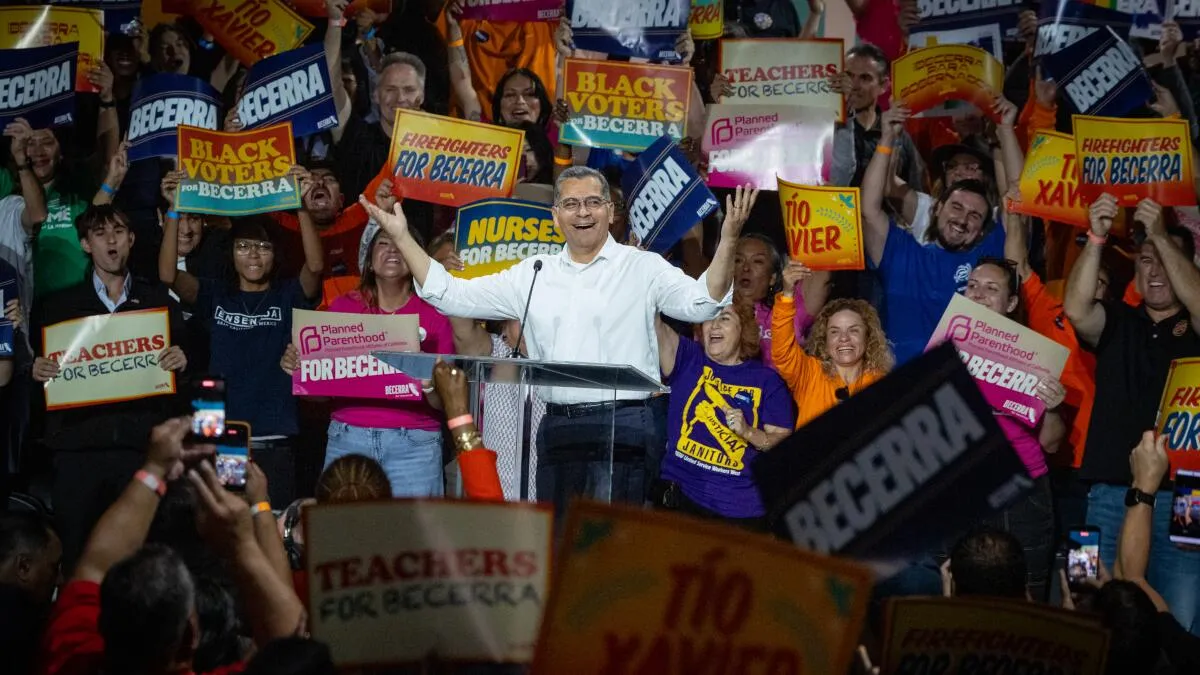
The closely watched California gubernatorial primary, characterized by significant anticipation and uncertainty, concluded with a surprisingly conventional outcome, underscoring voters' preferences for experience and established political alignments over untested candidates and personal wealth.
Despite the widespread speculation and the potential for a departure from traditional political matchups, the election results indicate a reinforcement of established voter tendencies. California, which has never elected a female governor, will not see that historic shift this November. Furthermore, the electorate's historical skepticism towards wealthy individuals attempting to "buy" the state's highest office remains evident, as does a preference for candidates with proven experience over youthful contenders or those relying on charismatic appeal.
The primary race saw several key narratives emerge. Xavier Becerra, initially considered an underdog, has seemingly secured a place in the November runoff, drawing parallels to Gray Davis's unexpected rise in 1998. Becerra's measured demeanor provided a stark contrast to the turbulent political landscape and the scandals that plagued other campaigns. Historically, California voters have gravitated towards governors with a more understated political persona, rather than flamboyant figures, favoring those with prior statewide experience.
The significant financial investment by Tom Steyer, who reportedly spent over $215 million on his gubernatorial bid, did not translate into a dominant position, reinforcing California's pattern of rejecting candidates who heavily rely on personal wealth. This trend suggests that substantial financial backing alone is insufficient to overcome voter sentiment against perceived attempts to purchase elected office.
The prospect of Democrats being excluded from the November runoff, a concern fueled by a fragmented candidate field and polls suggesting Republican strength, ultimately did not materialize. The fear of this scenario prompted a strategic consolidation of votes among Democratic voters, ensuring that at least one Democratic candidate would advance. This phenomenon illustrates how voter perception and collective action can shape outcomes, turning a potential political anomaly into a self-fulfilling prophecy for candidates like Becerra.
The election also highlighted persistent gender dynamics in California politics. Despite the state's progressive image and having elected female leaders in national roles, the governorship remains a male-dominated office. While candidates like Kamala Harris could have challenged this trend, their absence left a void. The performance of Katie Porter, a prominent female contender, was impacted by public scrutiny of her temperament, raising questions about the differential expectations placed on female candidates compared to their male counterparts.
Finally, the gubernatorial contest served as a reminder that youth does not automatically equate to political success in California's gubernatorial races. While some younger candidates may face premature campaigns, their political careers are not necessarily over, as demonstrated by past examples of politicians who experienced early setbacks before achieving higher office.