A ceasefire agreement between Israel and Lebanon, brokered by the United States, has generated optimism regarding potential progress toward resolving the broader conflict between Washington and Tehran. The cessation of hostilities in Lebanon has been a key prerequisite for Iran in any peace accord with the U.S.
Lebanese President Joseph Aoun announced that the ceasefire would take effect within 24 hours, pending approval from all relevant parties, a statement seemingly directed at Hezbollah, which has yet to comment. However, Israeli Defense Minister Israel Katz cast doubt on the truce's stability, stating that the military would continue operations in Lebanon and had no immediate plans for withdrawal from the south.
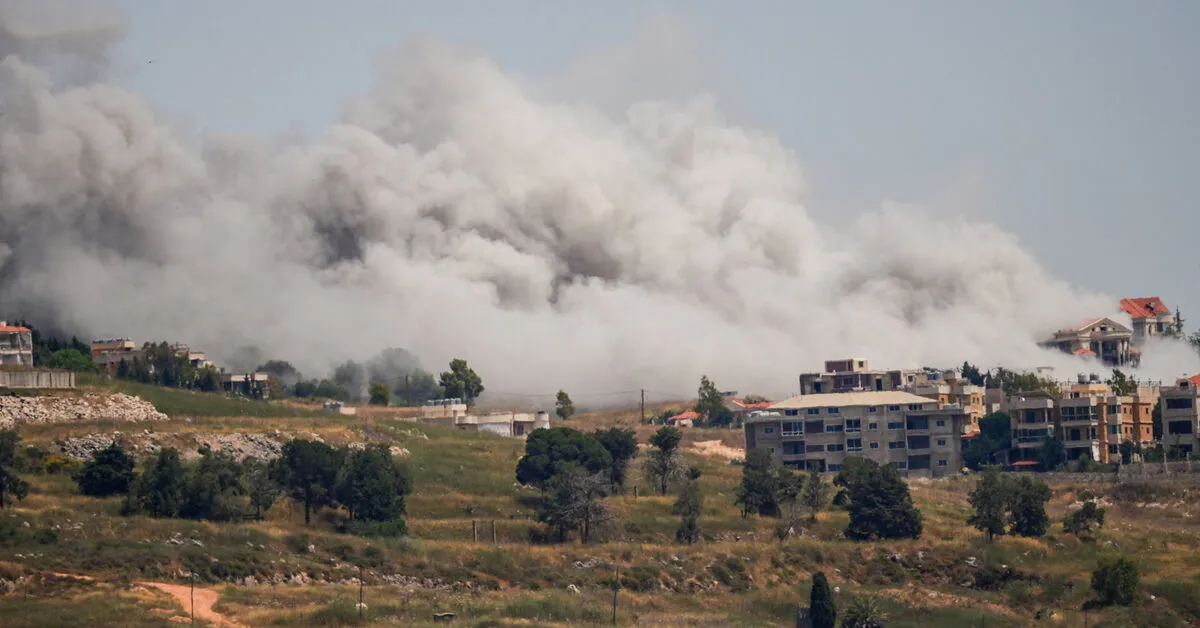
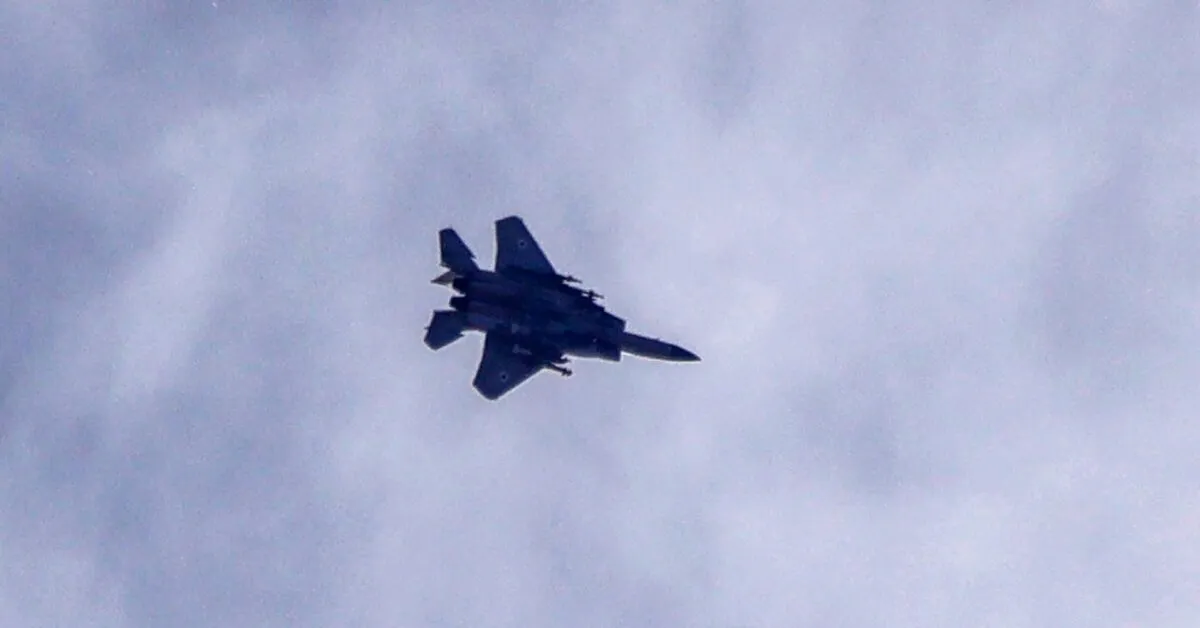
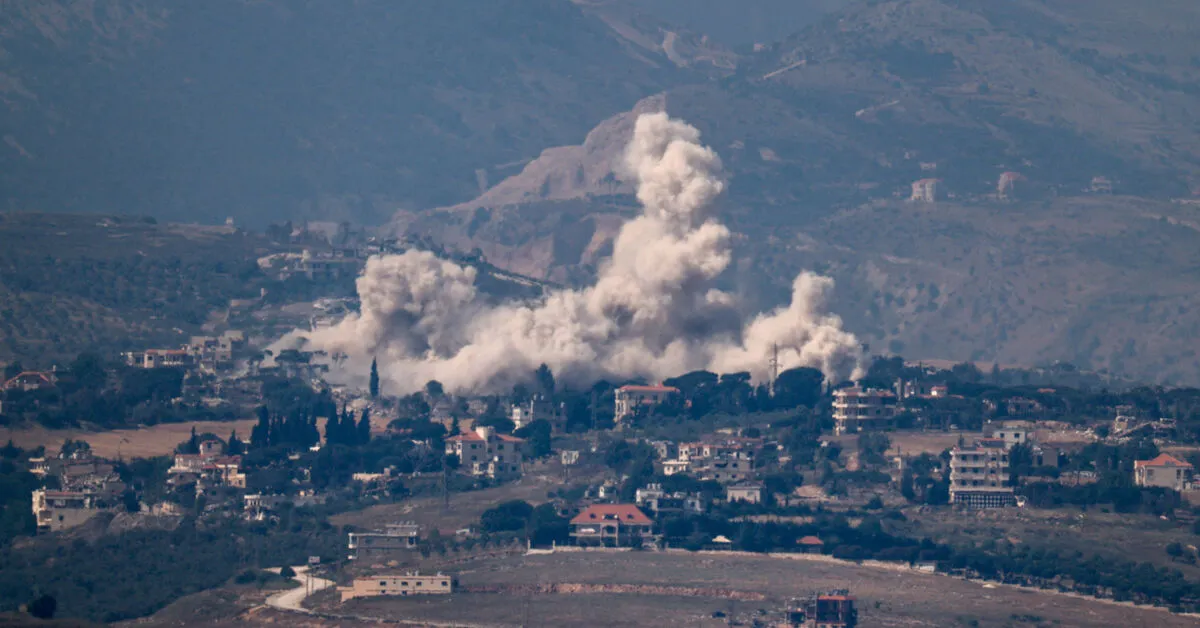
This development follows a recent escalation of regional violence. Israeli airstrikes resulted in at least six fatalities in southern Lebanon, while U.S. and Iranian forces engaged in exchanges of fire in the Persian Gulf. These incidents represent some of the most intense fighting since a separate ceasefire halted extensive U.S.-Israeli bombing campaigns against Iran in early April.
On Wednesday, Iranian forces reportedly struck Kuwait, damaging airport facilities and causing numerous casualties. The U.S. military conducted retaliatory strikes near the Strait of Hormuz, a critical chokepoint for global energy supplies, which has remained largely inaccessible for over three months. Oil prices declined on Thursday, reflecting hopes that the Lebanon ceasefire might facilitate a diplomatic resolution between Washington and Tehran.
U.S. President Donald Trump indicated that negotiations with Iran could see progress as early as the upcoming weekend. Efforts are reportedly underway to decouple the issue of reopening the Strait of Hormuz from the conflict in Lebanon. Meanwhile, Iranian state media attributed damage to Kuwait's airport to U.S. interceptor missile failures, a claim the U.S. military disputes, asserting that Iranian drones deliberately targeted the airport.
Iran's Supreme Leader, Ayatollah Mojtaba Khamenei, reiterated Iran's conditions for peace, which include an end to hostilities in Lebanon, access to frozen oil revenues, sanctions relief, the lifting of port blockades, and continued influence over the Strait of Hormuz. President Trump's primary objective remains preventing Iran from acquiring nuclear weapons, a claim Iran consistently denies, asserting its nuclear program is for peaceful purposes.