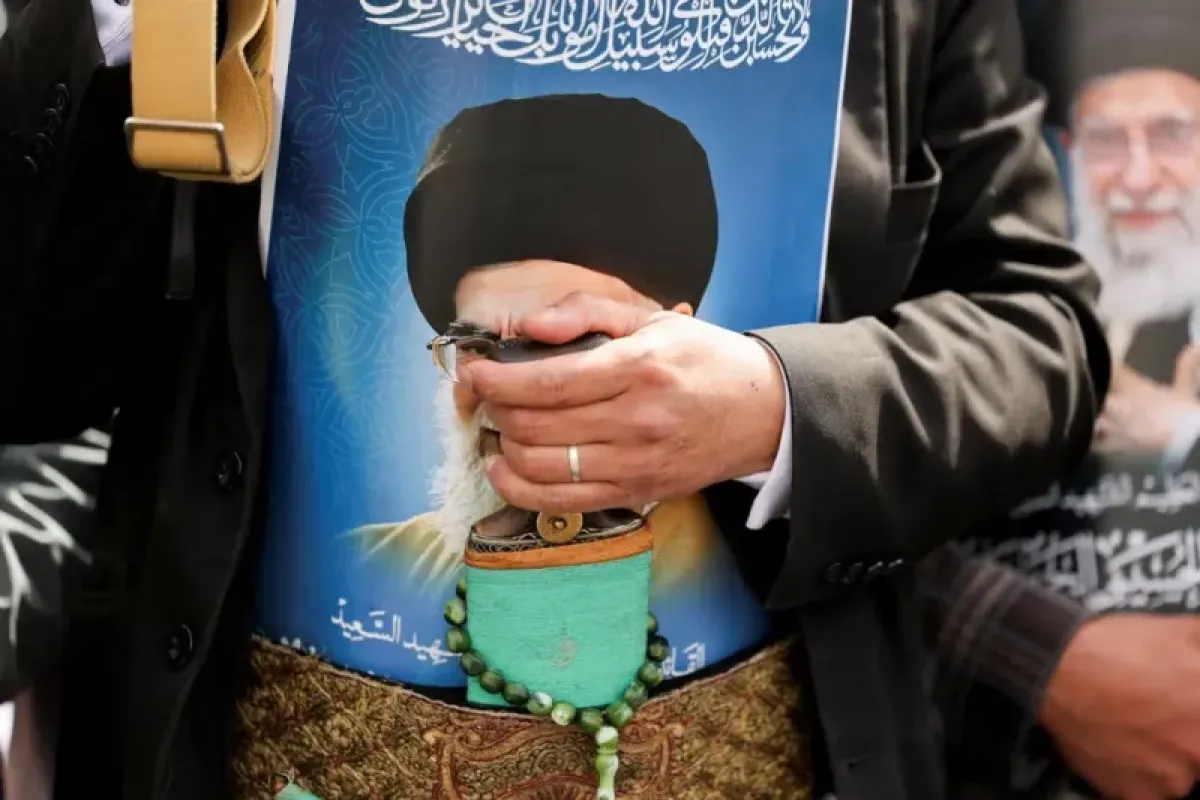
A recent analysis by The National Interest suggests that the Houthi group in Yemen is facing unprecedented strategic challenges due to a potential reduction or cessation of Iranian support, which has been a critical pillar of their military and economic survival. Recent regional developments and the economic pressures on Tehran following its conflict with Iran may compel the latter to re-evaluate its priorities and scale back its backing for regional allies.
The analysis, authored by researcher Henry Rogers, highlights that while the Houthis have historically demonstrated resilience as a prominent armed faction in Yemen, their current reliance on Iranian support network makes them vulnerable to significant disruptions. The Houthis have played a pivotal role within Iran's "axis of resistance," utilizing their missile and drone capabilities to threaten international navigation in the Red Sea and target Israel, thereby establishing themselves as a key regional leverage point for Tehran.
Despite the group's demonstrated adaptability to military and economic pressures, a substantial portion of this resilience is attributed to continuous Iranian assistance, including advanced weaponry, training, and financial and logistical support overseen by the Islamic Revolutionary Guard Corps. However, the Houthis' endurance is not solely dependent on Iran; it is also bolstered by internal factors. The rugged mountainous terrain of their northern Yemen strongholds provides natural defenses, while a parallel economic system, built on taxation and leveraging Yemen's strategic location on a vital maritime route, has further contributed to their survival. The group has also established a complex, clandestine financial network, increasingly employing cryptocurrencies to circumvent international sanctions and facilitate the acquisition of military equipment.
Rogers posits that the relationship with Iran represents both a source of strength and fragility for the Houthis. While Tehran supplies advanced weaponry, this dependency makes the group susceptible to shifts in Iranian policy or financial capacity. Iran's economy faces mounting pressure from sanctions, regional conflicts, and recent military expenditures, which could lead to reduced spending on external allies and a greater focus on domestic challenges. Any reduction in the IRGC's budget would directly impact the illicit arms smuggling and supply chains vital to the Houthi military capabilities.
Furthermore, the analysis points to the Houthis' increasing reliance on cryptocurrencies, particularly stablecoins like Tether, as a potential vulnerability. While these digital assets have facilitated financial transactions and bypassed banking restrictions, intensified U.S. efforts, in collaboration with digital currency issuers, to freeze Houthi-linked assets and trace funding could significantly disrupt their access to weaponry and logistical supplies, potentially exacerbating any decline in Iranian support.
These evolving circumstances present a potential opportunity for the United States and its regional partners to weaken the Houthi movement more effectively. The analysis advocates for a strategy that combines economic pressure with military and intelligence support for regional partners, moving beyond sole reliance on airstrikes. Recommendations include enhanced intelligence sharing with Saudi Arabia, support for Yemeni anti-Houthi forces, and a focused effort on targeting illicit financing networks and disrupting their use of digital currencies. Crucially, such an approach must prioritize avoiding widespread civilian harm or damage to Yemeni infrastructure to maintain international support and prevent the Houthis from regaining political and media momentum.
In conclusion, while the Houthis are expected to maintain a significant capacity for adaptation, the current period offers a rare chance to curtail their influence and diminish their threat to international navigation and Red Sea security. The success of the United States and its allies in capitalizing on this moment hinges on swift action and an understanding of the shifting regional dynamics. Failure to seize this opportunity could allow the Houthis to adapt and seek alternative sources of power and funding.