Primary election results in California, while not always indicative of broader electorate behavior, reveal significant internal divisions and a lack of clear direction within the state's dominant Democratic Party. This fragmentation is characterized by a breakdown of traditional norms and the emergence of younger, progressive candidates challenging established figures.
The current political landscape within California's Democratic Party suggests a departure from long-standing conventions, with traditional gatekeepers losing influence. This has emboldened a new wave of candidates, particularly younger progressives, who are increasingly willing to forgo traditional seniority and established protocols in pursuit of electoral success. This phenomenon mirrors a national trend of intra-party conflict as Democrats grapple with their identity and future leadership, especially in the lead-up to the 2028 presidential election.
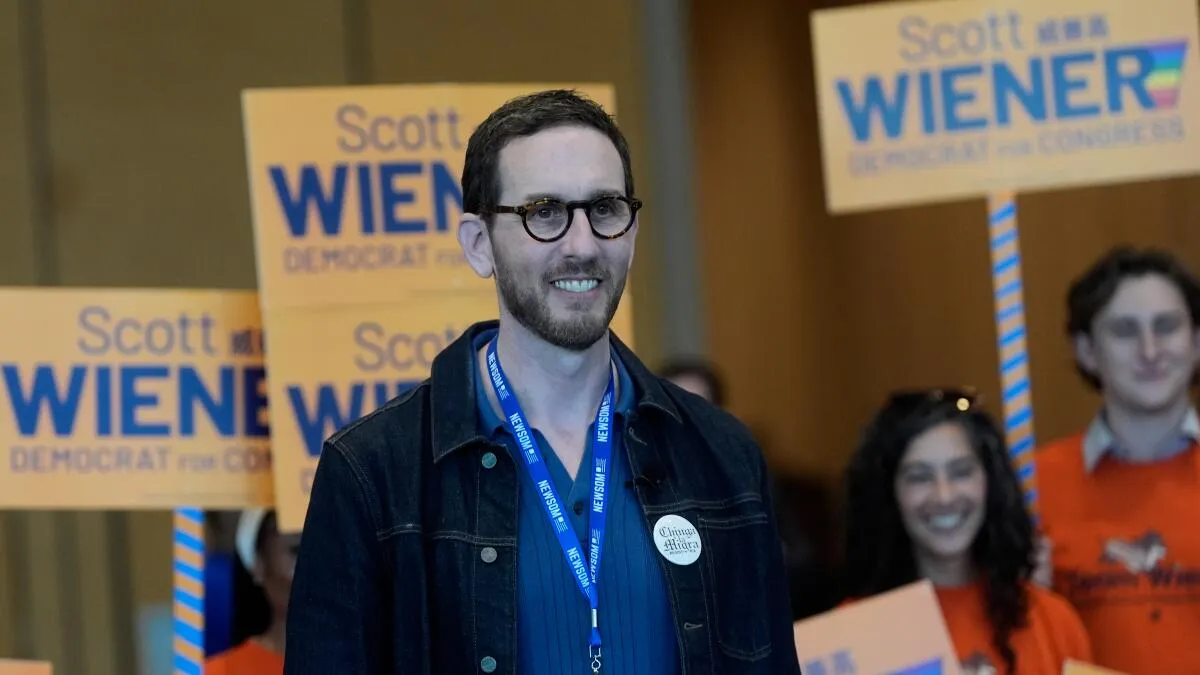
State Senator Scott Wiener, a prominent example of this shift, recently secured the top position in the race for California's 11th Congressional District, a seat previously held by Nancy Pelosi for decades. Wiener's decision to announce his candidacy before Pelosi's official retirement announcement caused considerable friction, highlighting the generational and ideological tensions within the party. Pelosi's endorsement of Supervisor Connie Chan, who ultimately placed second, underscored her alignment with the party's established guard.
Similar dynamics played out in other key races across the state. In Southern California, progressive challenger Jake Levine failed to unseat incumbent Brad Sherman, despite considerable progressive energy. Meanwhile, in Sacramento, progressive City Council member Mai Vang is in a close contest for second place in her challenge against long-serving Representative Doris Matsui. The governor's race also reflected this internal struggle, with a diverse field of candidates and a notable lack of consensus, further complicating the party's messaging.
The primary elections underscore a critical challenge for the Democratic establishment: accommodating the varied preferences of its diverse voter base. While the rise of strong progressive challengers offers opportunities for candidates outside the traditional power structure to gain visibility, the party must adapt to remain relevant. This necessitates a broader and more inclusive approach to attract the crucial demographic of low-information and low-propensity voters essential for general election victories. As Senator Wiener noted, voters desire genuine choice and are fatigued by political maneuvering.