The Yemeni government is reportedly planning significant increases to electricity tariffs in government-controlled areas, a move that faces potential challenges from the growing adoption of cheaper renewable energy alternatives, particularly solar power.
According to press sources cited by Al-Araby Al-Jadeed newspaper, these tariff hikes are part of a broader package of structural and economic reforms being implemented by the Yemeni government in coordination with the International Monetary Fund (IMF). These reforms are intended to secure a $1 billion loan from the IMF.
The reform package includes drastic measures such as the gradual reduction of government subsidies for the electricity sector and the liberalization of the customs dollar exchange rate. It also aims to increase the private sector's involvement in managing vital institutions and public services. The IMF is reportedly pushing for the elimination of electricity subsidies, deeming them an unsustainable financial burden and insisting on regular tariff adjustments to cover actual production costs.
The report highlights a substantial discrepancy between the current residential electricity tariff of 9 Yemeni Riyals per kilowatt-hour (kWh) and its actual production cost, which is estimated at around 150 Riyals per kWh. Consequently, the Public Electricity Corporation began increasing tariffs for the commercial and industrial sectors to 105 Riyals per kWh and for the agricultural sector to 75 Riyals per kWh starting in June 2024. The government's plan reportedly includes a gradual increase in the residential tariff to 50 Riyals per kWh and for companies and factories to 180 Riyals per kWh, a rate exceeding the actual cost to offset some losses.
This proposed tariff increase comes amidst a persistent electricity crisis in liberated areas, particularly in the capital, Aden. Despite Saudi Arabian support providing fuel (diesel and mazut) for power generation stations, the issue remains unresolved. Saudi Arabia recently announced an additional $150 million in support for electricity fuel until the end of the year, following a similar grant of approximately $81 million earlier in the year. However, the continued crisis is attributed to the limited generating capacity of existing power stations relative to high demand, especially during summer, making fuel provision an insufficient solution.
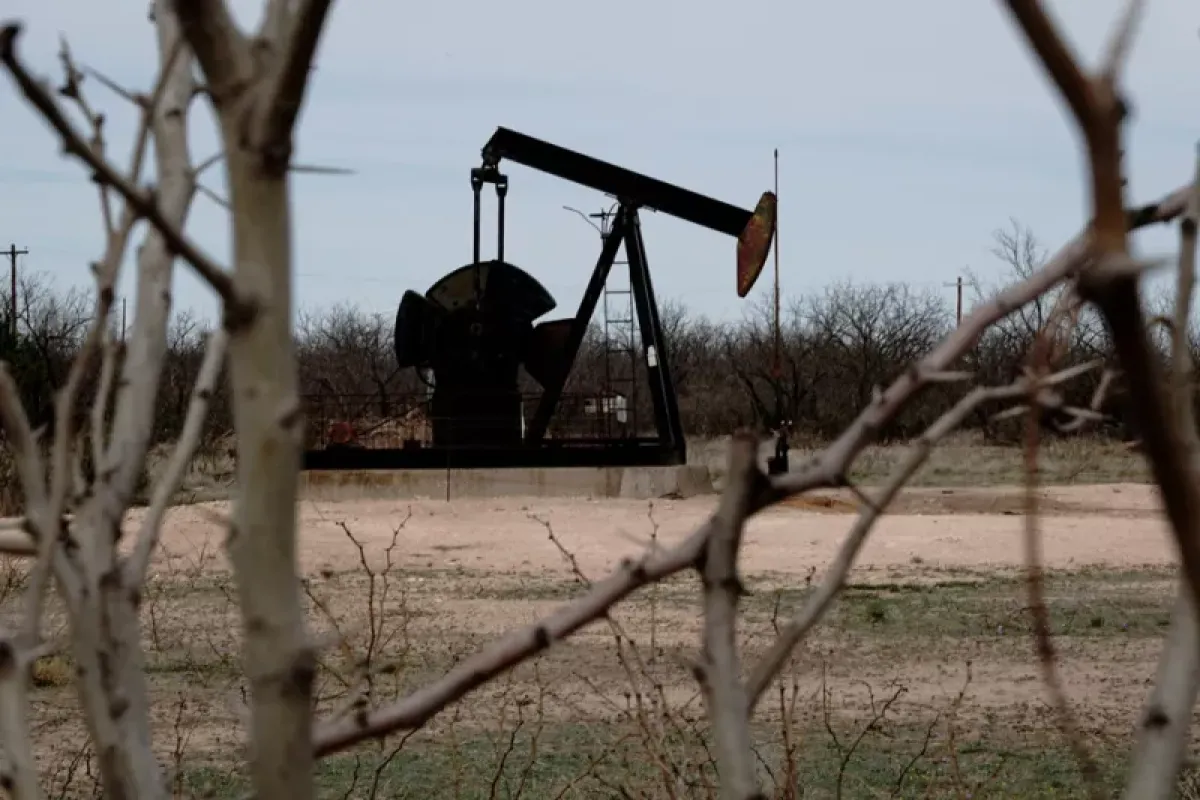
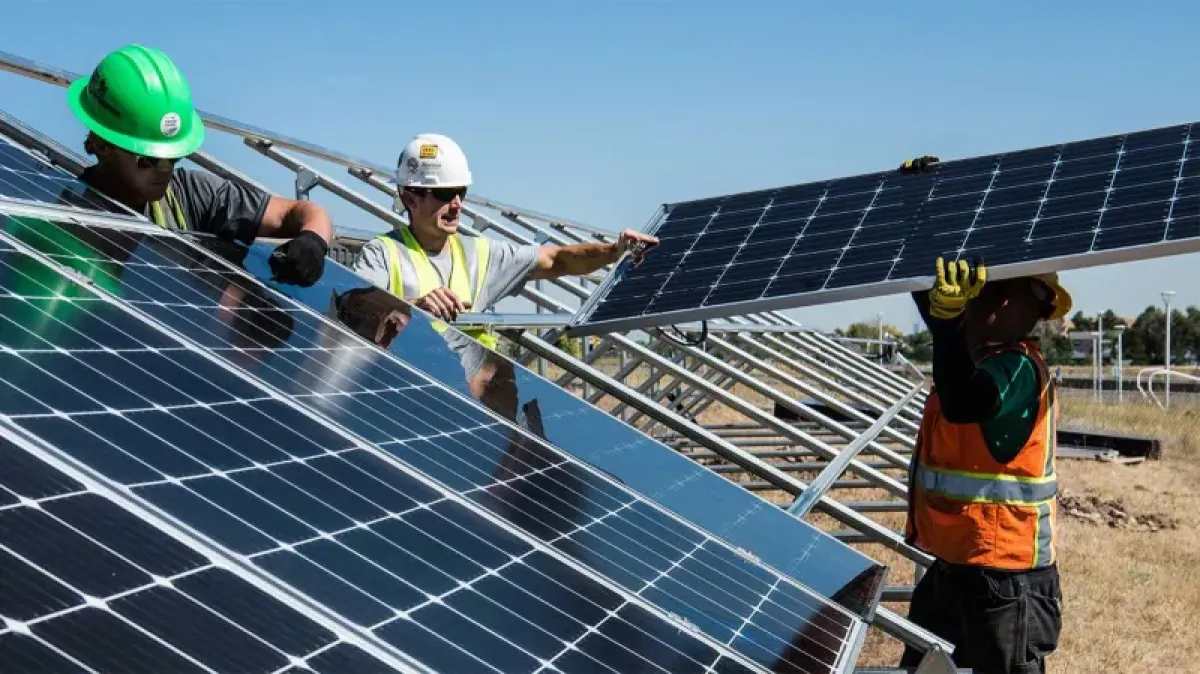
Furthermore, the reliance on diesel and mazut-powered generation, which are among the most expensive fuels for electricity production, exacerbates the crisis and drives the government's push for tariff increases. However, this strategy faces a significant economic challenge: the widespread adoption of more affordable renewable energy alternatives, predominantly solar power, in liberated areas, especially Aden. The prolonged electricity crisis over the past 11 years has forced individuals and businesses to invest in solar energy systems, which offer a cleaner and more cost-effective continuous power supply compared to fossil fuel generators.
Despite the relatively high initial cost of purchasing renewable energy systems, their lifespan of 20 to 25 years makes the cost per kWh significantly lower, estimated at less than 30 Riyals. In contrast, producing a single kWh using fossil fuels can cost up to 500 Riyals, excluding ongoing maintenance expenses. These considerable economic disparities in electricity production costs between fossil fuels and renewable energy present a major challenge to the government's agenda of raising electricity tariffs, given the increasing viability of less expensive alternatives.