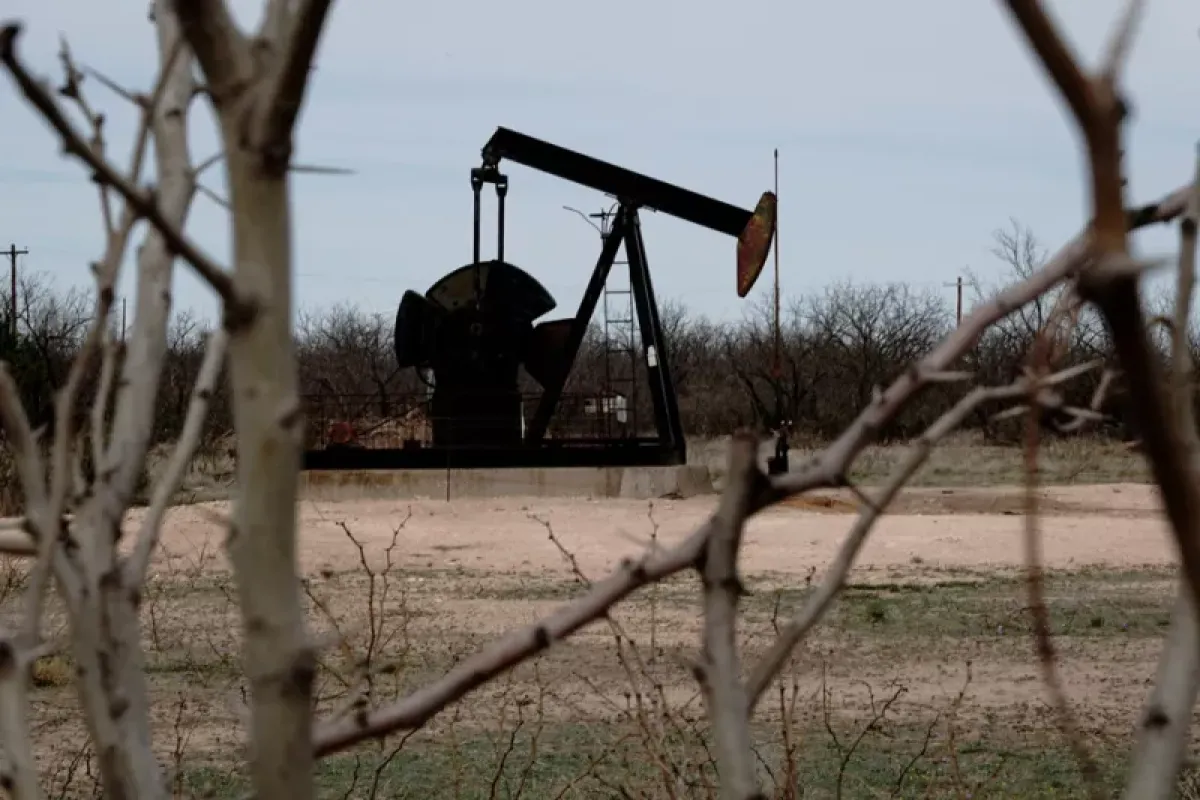
Global oil prices have breached the $100 per barrel mark for the first time in two months, directly reflecting escalating threats to navigation in the Red Sea. This surge follows the Houthi group's claim of targeting two Saudi oil tankers, sparking widespread concerns over renewed disruptions to global energy supplies.
According to Bloomberg, the Houthi offensive has opened a new front in the regional crisis. Previously, the conflict between Iran and the United States had diverted oil trade away from the Strait of Hormuz, making the Red Sea the primary alternative route for Saudi oil exports. However, the targeting of this vital waterway now threatens to diminish available options for producers and consumers, thereby increasing the likelihood of global supply bottlenecks.
The Houthi group announced its use of missiles and drones to target the tankers as part of a declared "blockade" on Saudi ports. Observers have interpreted this action as an escalation that broadens the scope of security risks in one of the most critical maritime corridors for oil transport and international trade.
Bloomberg further reported that markets are contending not only with the Red Sea attacks but also with concurrent pressures from disrupted Kazakh oil exports via the Black Sea due to the Russia-Ukraine war, alongside depleted global inventories following months of tension. These factors collectively bolster the prospects of a supply deficit, driving prices upward.
Brent crude has registered gains exceeding 30% since the beginning of the month, approaching its highest levels since late May. This upward trend is anticipated to persist if military confrontations continue and threats to energy infrastructure and shipping lanes expand.
The agency quoted Bob McNally, president of Rapidan Energy Group and a former White House official, who warned that the new round of escalation could be more extensive than previous ones. He noted that the risks are no longer confined to maritime security but now extend to energy facilities themselves, compounding anxieties about the stability of the global oil market.
Furthermore, diminished prospects for resuming negotiations between Washington and Tehran have amplified market unease, particularly with renewed U.S. threats to expand strikes against targets within Iran. This situation reinforces expectations of prolonged tension and its associated pressure on energy prices.
In response to these developments, global shipping companies have begun avoiding passage through the Bab el-Mandeb Strait. Major refiners and importers in India and several other Asian nations are reportedly considering longer and more costly alternative routes to secure their oil imports, according to ship-tracking data cited by Bloomberg.
The agency revealed that at least two Asian oil trading firms are in discussions with Saudi Aramco to explore rerouting shipments away from the Red Sea. This would involve transferring oil to Egyptian ports, then pumping it through pipelines before it is shipped from the Mediterranean, circumventing the Cape of Good Hope in South Africa.
According to informed traders, this scenario could add approximately one month to the transit time for shipments reaching Asian markets, in addition to increasing transportation and insurance costs. Such a change could directly impact global oil and petroleum product prices.
Analysts believe that the targeting of oil tankers in the Red Sea represents a significant shift in the crisis dynamics. The threat is no longer limited to the Strait of Hormuz but has now extended to the alternative route that energy markets have relied on in recent months. This exacerbates uncertainty and intensifies pressure on the global economy should military escalation continue.