General Motors is rolling out a major software update that enables its electric vehicles to not only power your home during an outage but also contribute to the electrical grid. This "bidirectional charging" capability is present in 12 of GM's EV models, a significant lead over competitors.
The potential of vehicle-to-grid (V2G) technology is huge. Imagine your EV not only keeping your lights on during a blackout but also helping utilities manage demand spikes, like when everyone cranks up their air conditioning. Car owners could even make money by charging their EVs when electricity is cheap and selling power back to the grid when prices are high.
"We can turn every GM EV on the road into a distributed power resource," stated Sterling Anderson, GM's chief product officer. This move into energy solutions could be a strategic play for automakers navigating shifting EV sales landscapes, demonstrating how cars can offer value beyond just transportation.
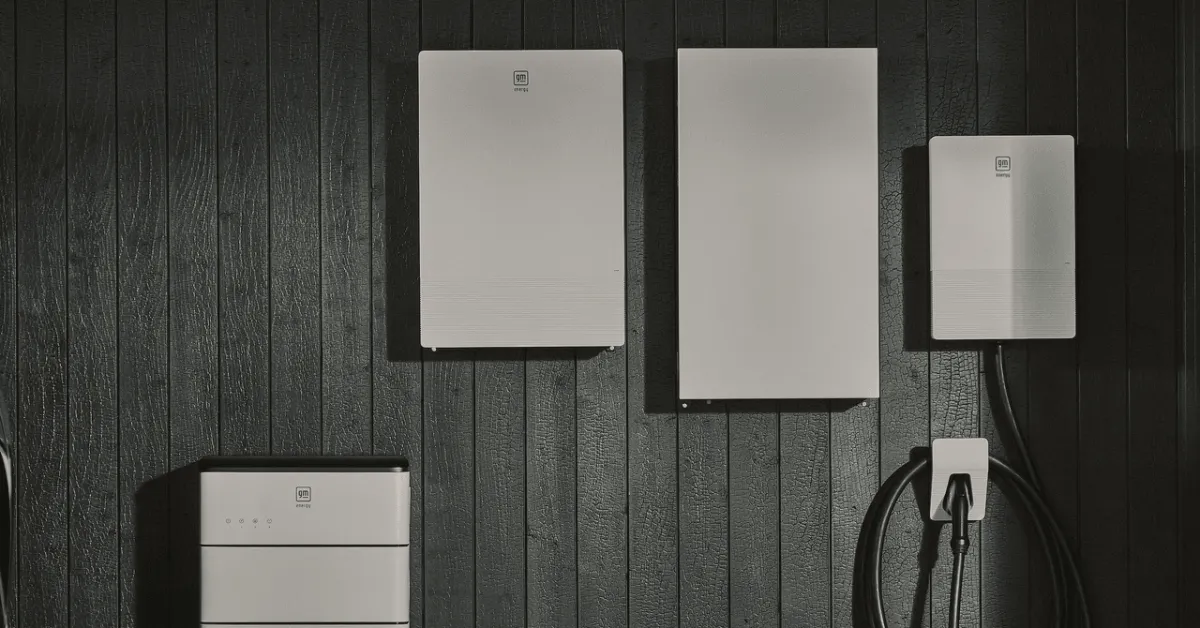
However, making this a reality for consumers isn't plug-and-play. Drivers need to invest in a costly system, around $20,000, from GM Energy and ensure their local utility has partnered with GM to approve the equipment and establish programs for grid contribution. While GM suggests the upfront cost can be recouped in about five years, only "thousands" of customers are currently using the GM Energy service, despite hundreds of thousands of eligible EVs on the road.
GM Energy VP Wade Sheffer attributes the slow adoption to a lack of "awareness." To combat this, GM announced new utility partnerships, including a "stress test" with DTE Energy in Michigan and a plan to integrate 52,000 GM EVs with PG&E's grid in California by 2030. While many utilities are exploring V2G, the technology is still in its nascent stages across the country.
Challenges remain, including ensuring customers have full control over their vehicle's charge level to avoid being stranded. GM also aims to develop systems that learn user schedules, preventing power discharge before essential trips. Despite the hurdles, GM Energy is poised for what they see as a "once-in-a-lifetime opportunity to reshape how drivers interact with their vehicles."