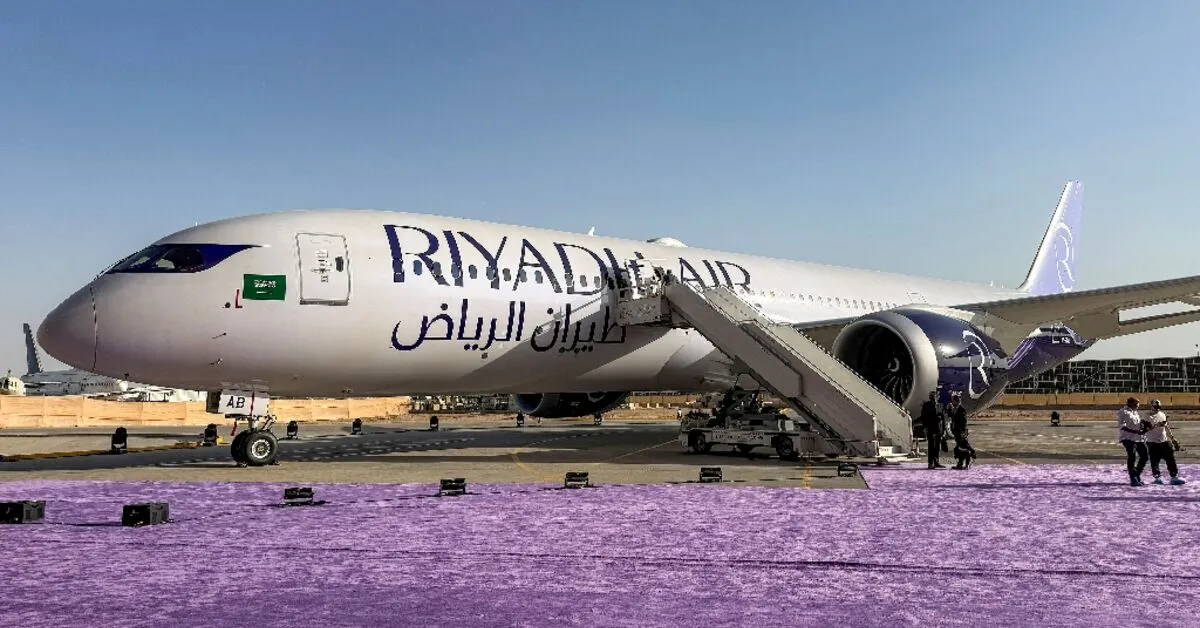
Saudi Arabia has officially launched Riyadh Air, its second national carrier, on Wednesday, commencing operations despite significant delays and the backdrop of regional economic uncertainty stemming from Middle East conflict.
The inaugural flight, a Boeing 787 Dreamliner bound for London, departed at 2:30 AM local time, marking a pivotal moment for a flagship project central to Saudi Arabia's strategy of diversifying its economy away from oil dependency. Riyadh Air aims to transform the Saudi capital into a major global aviation hub, challenging the dominance of established players like Dubai.
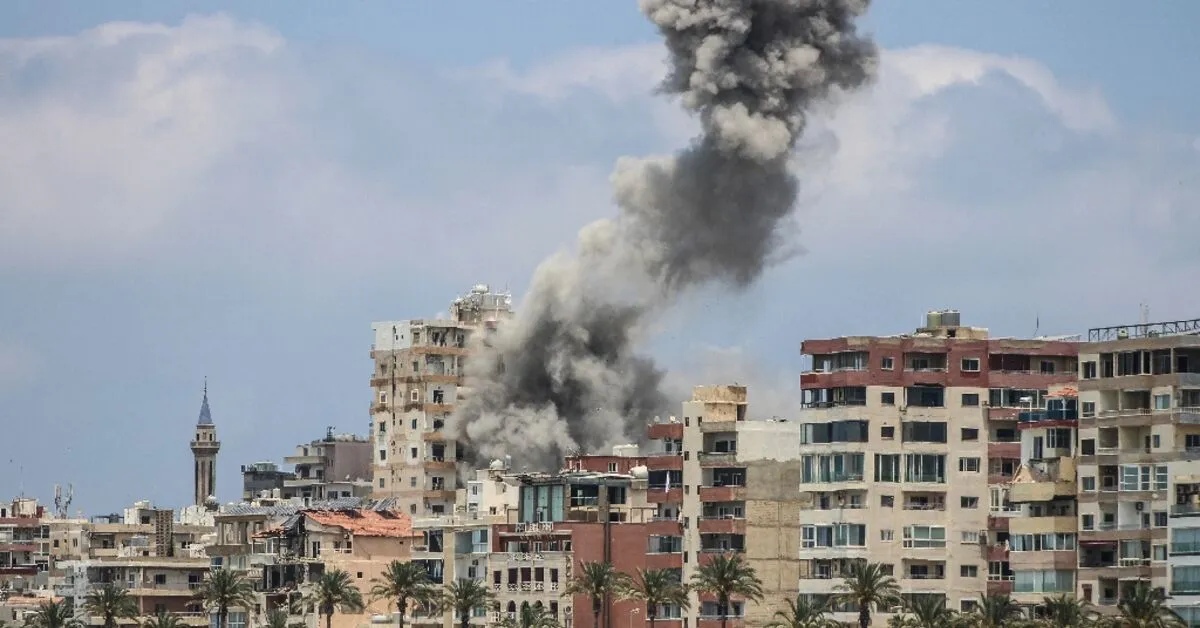
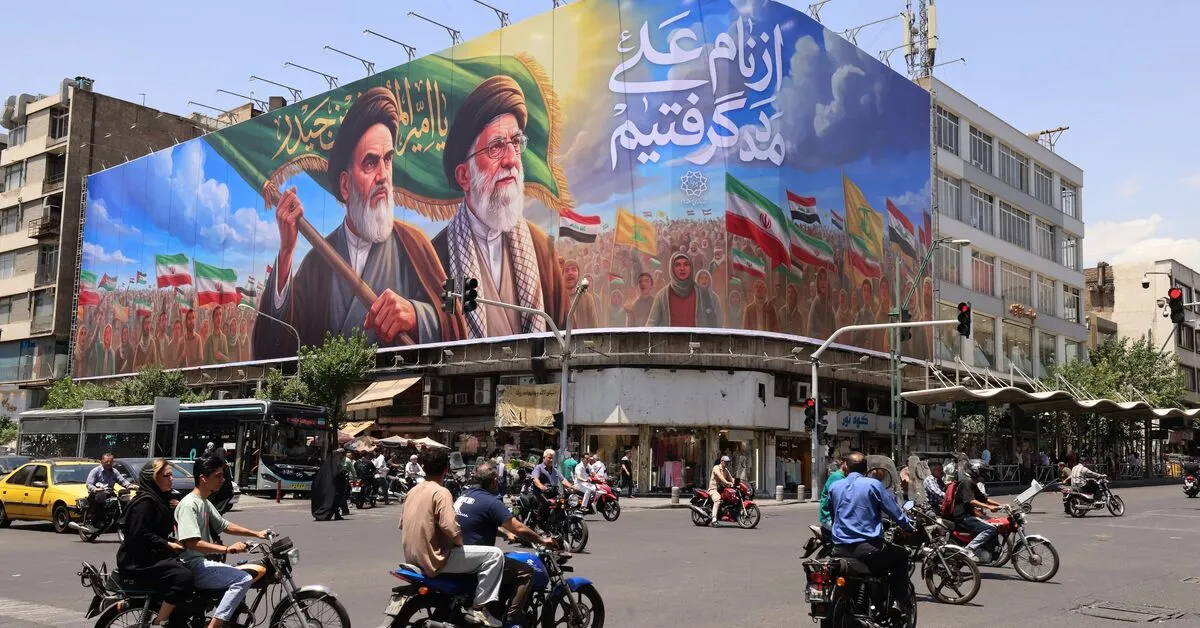
Riyadh Air CEO Tony Douglas stated the airline intends to reintroduce "glamour, refinement, and grace" into air travel. The launch, initially slated for 2025, encountered setbacks due to production and safety issues affecting Boeing, its aircraft supplier. The airline's debut also occurs amidst heightened tensions in the Gulf, with Iran's significant drone and missile attacks impacting regional infrastructure and creating economic volatility.
Douglas, previously the CEO of Etihad Airways, described the maiden flight as the "culmination of four years' worth of preparation," asserting that Riyadh's geographical location has insulated it from the direct impact of recent attacks. He acknowledged the challenges, stating, "You have the trials and the tribulations, you win some, you lose some, you make progress, you sometimes have setbacks, but you have made it, and this day we've made it."
The airline, backed by Saudi Arabia's $900 billion Public Investment Fund (PIF), is a key component of Crown Prince Mohammed bin Salman's Vision 2030 economic reforms. Riyadh Air has placed substantial orders, including 132 Boeing 787 Dreamliners and 25 Airbus A350-1000s, with an option for 50 more. The airline's ambition is to connect to over 100 international cities within the next five years.
Saudi Arabia is undertaking the construction of a new mega-airport in Riyadh, projected to handle 120 million passengers annually by 2030, significantly expanding capacity from the current King Khalid International Airport. PIF Chairman Yasir Al-Rumayyan highlighted the launch as a "historic moment for the nation," predicting the creation of "200,000 direct and indirect jobs." While some ambitious mega-projects like NEOM and the Mukaab skyscraper are reportedly being scaled back, the nation is focused on pragmatic ventures to achieve its goal of tripling annual air traffic to 330 million passengers by 2030, bolstered by hosting major international events like the 2030 World Expo and the 2034 FIFA World Cup.
Despite the strategic push, some analysts express caution regarding market saturation, citing competition from established regional carriers such as Emirates, Qatar Airways, and Etihad. However, Riyadh Air benefits from Saudi Arabia's substantial domestic market of approximately 35 million people, the largest in the region, providing a significant advantage over its Gulf counterparts.